
Shoes are one of the most frequently used—and often least maintained—items in our wardrobes. Whether you're wearing sneakers daily, walking in leather dress shoes, or hiking rugged trails, proper cleaning is essential to preserve both appearance and structural integrity. Dirt, sweat, and environmental exposure break down materials over time, leading to odors, discoloration, and premature wear. A consistent, informed cleaning routine doesn’t just keep shoes looking fresh—it extends their lifespan, saves money, and supports better foot health.
Understanding Your Shoe Materials
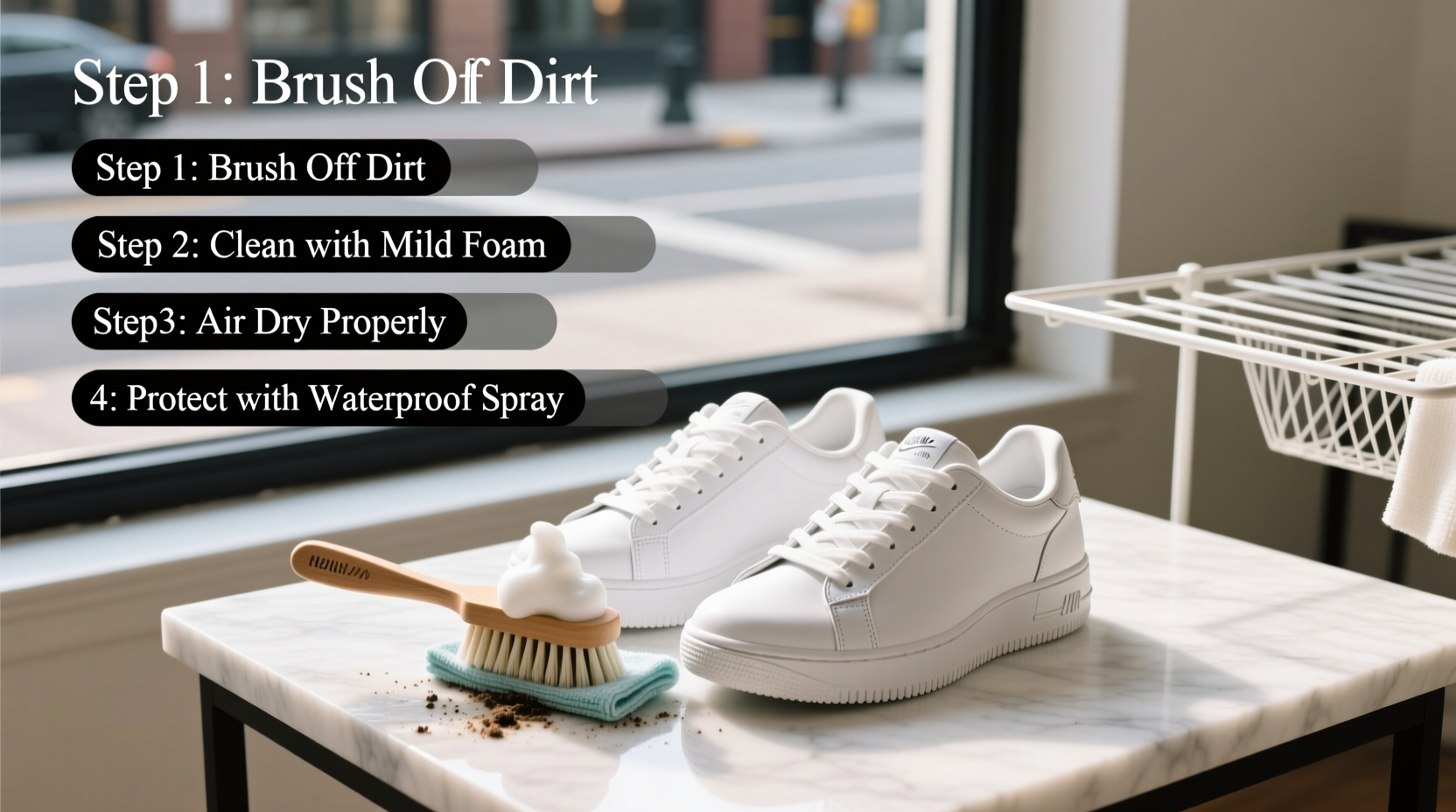
Not all shoes are created equal, and cleaning methods must align with the material composition. Using the wrong technique on delicate fabrics can cause irreversible damage. Below is a breakdown of common shoe materials and their care profiles:
| Material | Cleaning Method | Avoid |
|---|---|---|
| Leather | Damp cloth, leather cleaner, conditioner | Submerging in water, harsh detergents |
| Suede & Nubuck | Suede brush, eraser, specialized spray | Water, standard cleaners, heat |
| Canvas | Hand wash with mild soap, soft brush | Bleach, machine drying |
| MESH / Knit (e.g., running shoes) | Spot clean or hand wash, air dry | Washing machine, direct heat |
| Rubber / Synthetic Soles | Scrub with soapy water, toothbrush | Steel wool, abrasive pads |
Step-by-Step Guide to Cleaning Different Types of Shoes
A universal cleaning process doesn’t exist, but a structured approach tailored to each material yields the best results. Follow these detailed steps based on your shoe type.
For Leather Shoes
- Remove laces and insoles to clean separately.
- Use a dry brush or cloth to wipe off surface dust and dirt.
- Dampen a microfiber cloth with water or a dedicated leather cleaner.
- Gently wipe the entire surface, focusing on scuffed areas.
- Allow shoes to air dry naturally—never near direct heat.
- Once dry, apply a leather conditioner to prevent cracking.
For Suede and Nubuck
- Use a suede brush to lift surface dirt in one direction.
- For stains, gently rub with a suede eraser.
- Treat oil-based spots with cornstarch: sprinkle, wait 15 minutes, then brush off.
- Apply a suede protector spray after cleaning to resist future stains.
- Never wet suede entirely—moisture causes permanent darkening.
For Canvas and Fabric Sneakers
- Remove laces and insoles. Soak laces in soapy water.
- Use a soft-bristle brush and mild detergent mixed with water.
- Scrub in circular motions, focusing on stained areas.
- Rinse the brush frequently and avoid soaking the shoe.
- Stuff with paper towels to maintain shape and air dry overnight.
The Role of Odor Control and Insole Maintenance
Freshness isn’t just about appearance. Moisture buildup from sweat creates an ideal environment for odor-causing bacteria. Addressing this requires more than surface cleaning.
- Remove insoles weekly and wipe with a disinfectant cloth or mild vinegar solution.
- Let shoes air out for at least 24 hours between wears to reduce moisture retention.
- Use cedar shoe trees in leather footwear to absorb moisture and neutralize odors.
- Occasionally sprinkle baking soda inside shoes overnight, then vacuum out in the morning.
“Odor control starts with breathability and ends with hygiene. Rotate your shoes and never wear the same pair two days in a row.” — Dr. Lena Torres, Podiatrist & Footwear Hygiene Specialist
Real Example: Reviving a Neglected Pair of Hiking Boots
Mark, an avid hiker, returned from a muddy trail with his favorite waterproof boots caked in dried mud. He left them by the door for weeks, assuming they’d “air out.” When he finally tried to wear them again, the zippers were stiff, the soles cracked, and a musty smell lingered.
Following a proper cleaning protocol, he brushed off loose debris, wiped the leather with a damp cloth and cleaner, conditioned the upper, and cleaned the soles with a mixture of dish soap and warm water. He removed the insoles, washed them gently, and let everything dry slowly away from sunlight. After applying a waterproofing treatment, the boots looked and felt nearly new—saving him $180 on a replacement.
This case illustrates how neglect accelerates wear, while timely care restores function and appearance.
Common Mistakes That Damage Shoes
Even well-intentioned cleaning can backfire if done incorrectly. Avoid these frequent errors:
- Using household cleaners like bleach or ammonia: These degrade adhesives and discolor materials.
- Drying shoes with direct heat: Radiators, hairdryers, or sunlight warp shapes and crack leather.
- Skipping pre-cleaning prep: Not removing laces or insoles limits access and traps dirt.
- Over-wetting mesh or knit shoes: Excess water weakens support layers and glue.
- Storing dirty shoes: Residual dirt acts as an abrasive, grinding into fibers over time.
Seasonal Care Checklist
Maintaining shoes year-round prevents deep buildup and makes cleaning easier. Use this checklist to stay ahead:
- Inspect for dirt, scuffs, or sole wear
- Remove insoles and wipe down
- Brush or wipe exterior based on material
- Condition leather or treat suede
- Rotate shoes to allow full drying between uses
- Store in a ventilated area, away from humidity
FAQ: Common Questions About Shoe Cleaning
How often should I clean my shoes?
Light cleaning—wiping off dirt and airing out—should happen after every few wears. Deep cleaning depends on use: monthly for daily footwear, quarterly for occasional-use shoes. Athletic or outdoor shoes may need more frequent attention due to sweat and terrain exposure.
Can I put my sneakers in the washing machine?
It’s not recommended. While some brands claim machine-washable designs, the agitation can break down cushioning, delaminate soles, and distort shape. Hand cleaning with a soft brush and mild soap is safer and more effective.
How do I remove yellowing from white sneaker soles?
Yellowing is often oxidation. Try a paste of baking soda and hydrogen peroxide (1:2 ratio). Apply with a toothbrush, wrap the sole in plastic wrap, and leave in indirect sunlight for 2–3 hours. Rinse thoroughly. Repeat if needed. For ongoing prevention, store white shoes in breathable cotton bags away from UV light.
Conclusion: Make Shoe Care a Habit, Not a Chore
Properly cleaning your shoes isn’t just about aesthetics—it’s an investment in comfort, hygiene, and longevity. With the right tools and knowledge, even the most delicate materials can be preserved for years. The key is consistency: regular maintenance prevents deep-set stains, odors, and structural damage that are difficult to reverse.
Start today by pulling out your most worn pair and giving it a thoughtful clean. Label storage boxes by material type, keep a small shoe care kit in your closet, and rotate footwear to maximize drying time. These small actions compound into significant savings and satisfaction over time.




 浙公网安备
33010002000092号
浙公网安备
33010002000092号 浙B2-20120091-4
Comments
No comments yet. Why don't you start the discussion?