
A denim jacket adorned with sequins, beads, or intricate embroidery is more than just outerwear—it’s a statement piece. Whether it’s vintage, custom-made, or a high-end designer item, preserving the brilliance and integrity of its embellishments requires deliberate care. Over time, friction, improper washing, and environmental exposure can dull sequins, loosen threads, or cause entire sections to detach. This guide provides a comprehensive approach to maintaining the vibrancy and structure of your embellished denim jacket, combining practical maintenance steps, preventative strategies, and restoration insights.
Understanding the Vulnerability of Embellishments
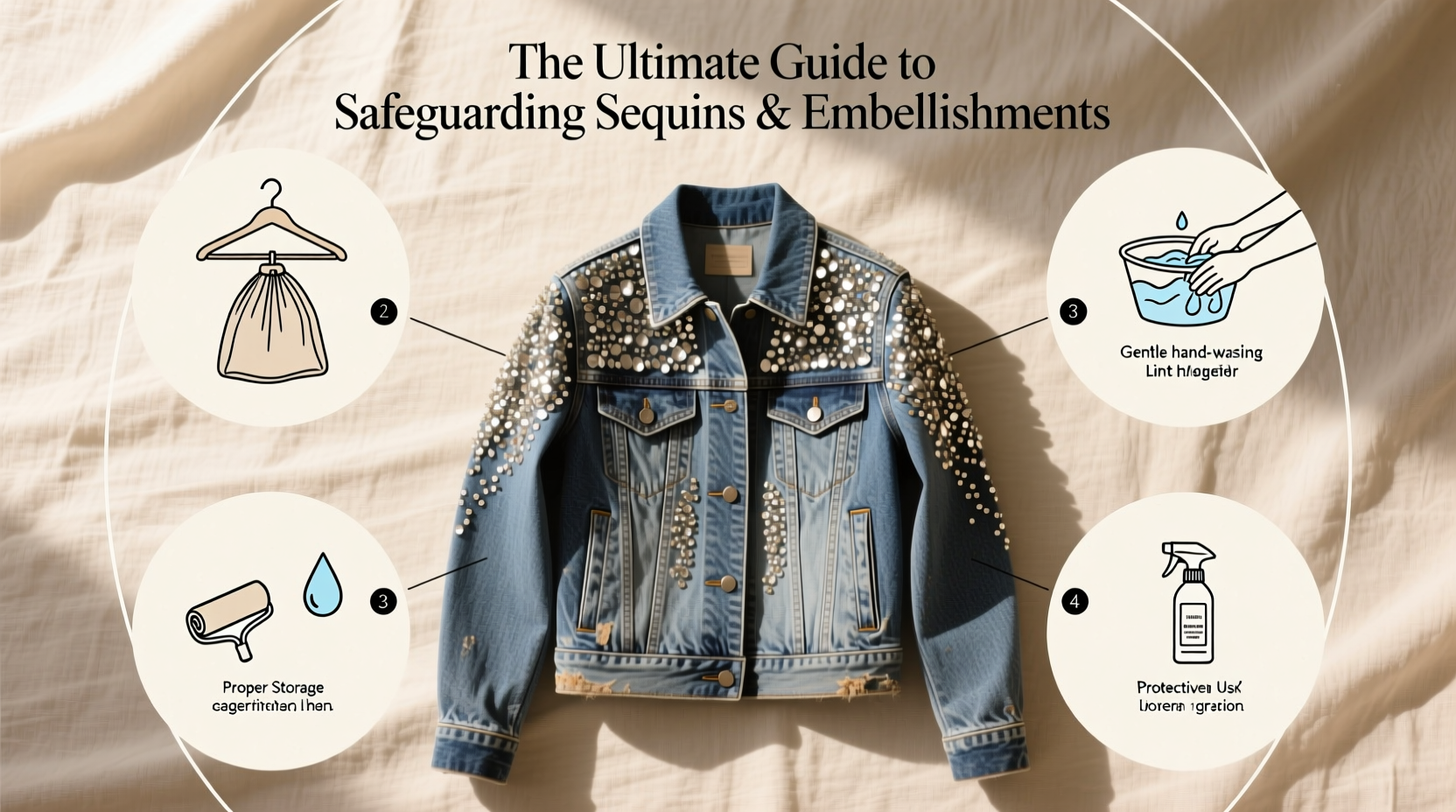
Sequins, rhinestones, beads, and stitched designs are typically attached using thread, glue, or a combination of both. While denim is durable, these decorative elements are not. Sequins may crack under pressure, glued stones can degrade with heat, and thread-based attachments weaken with repeated washing or abrasion. The junction between rigid fabric and delicate ornamentation creates stress points, especially at the shoulders, elbows, and cuffs.
Environmental factors also play a role. Sunlight can fade colored sequins, humidity encourages mold growth on thread, and pollutants in the air contribute to tarnishing. Recognizing that embellishments are the weakest link in an otherwise sturdy garment is the first step toward effective preservation.
“Embellished denim sits at the intersection of durability and fragility. The key isn’t avoiding wear—it’s managing how you wear and care for it.” — Lila Monroe, Textile Conservation Specialist
Step-by-Step Care Routine for Longevity
Maintaining an embellished denim jacket doesn’t require extreme measures, but consistency and attention to detail make all the difference. Follow this timeline-based routine to extend the life of your jacket:
- After Every Wear (Immediate): Hang the jacket on a padded hanger immediately. Avoid folding, which can crease and stress stitched areas.
- Spot-Clean as Needed (Weekly): Use a microfiber cloth dampened with water and mild detergent to gently wipe soiled areas. Never scrub embellishments directly.
- Deep Inspection (Monthly): Examine each row of sequins and beadwork under good lighting. Look for loose threads, chipped stones, or discoloration.
- Reinforce Weak Areas (Quarterly): Hand-stitch any loose elements using a fine needle and matching thread. Knot securely on the inside lining.
- Professional Refresh (Annually): Consider taking the jacket to a textile restorer for deep cleaning and structural reinforcement.
Washing: What to Do and What to Avoid
Machine washing is the leading cause of embellishment failure. Agitation, spin cycles, and detergents strip adhesive and fray stitching. Even “gentle” cycles pose risks. When cleaning is unavoidable, hand-washing is the only safe method—but only if the embellishments are securely attached and the denim hasn’t been pre-shrunk excessively.
| Action | Recommended | Never Do |
|---|---|---|
| Washing Method | Hand-wash in cold water with pH-neutral detergent | Machine wash or dry clean (solvents weaken adhesives) |
| Drying | Flat dry away from direct sunlight and heat sources | Tumble dry or hang in direct sun |
| Stain Treatment | Blot gently with damp cloth; use diluted vinegar for organic stains | Scrub or apply bleach/alcohol-based cleaners |
| Storage During Cleaning | Lay flat on clean towel; avoid stacking items on top | Hang while wet (can stretch seams) |
Real Example: Preserving a Vintage Sequined Statement Jacket
Sophia, a stylist in Portland, inherited a 1970s denim jacket covered in iridescent sequins from her grandmother. Though structurally sound, the sequins had dulled, and several rows near the collar were lifting. Instead of replacing it, she took a meticulous approach:
- She began by photographing the jacket from all angles to document its condition.
- Using tweezers and fabric glue designed for sequins, she reattached loose pieces one by one.
- She avoided washing the entire garment, opting instead for spot treatment with a cotton swab and distilled water.
- The jacket now rests in a breathable cotton garment bag, stored horizontally in a climate-controlled closet.
Two years later, the jacket remains a centerpiece in her wardrobe. Her experience underscores that even decades-old embellishments can endure with thoughtful intervention.
Essential Storage and Handling Practices
How you store your jacket between wears is just as important as how you clean it. Improper storage leads to creasing, oxidation, and insect damage—all of which threaten embellishments.
Use a wide, padded hanger to support the shoulders without distorting the shape. Avoid wire hangers, which can create permanent dents. If the jacket has heavy beadwork, consider storing it flat in a drawer lined with acid-free tissue paper to prevent sagging.
Keep it in a cool, dry place away from windows. UV rays degrade plastic sequins and fade metallic finishes. Cedar blocks can deter moths, but avoid direct contact—essential oils can stain or corrode adhesives.
Checklist: Protecting Your Embellished Denim Jacket
- ✅ Inspect for loose sequins or beads monthly
- ✅ Store on a padded hanger or flat in a breathable container
- ✅ Never machine wash or dry clean
- ✅ Spot-clean only with gentle, non-abrasive tools
- ✅ Reinforce weak stitching with hand-sewing every 3–6 months
- ✅ Keep away from direct sunlight and high humidity
- ✅ Avoid wearing backpacks or seatbelts that rub against embellished areas
- ✅ Rotate wear to reduce repetitive stress on specific zones
Frequently Asked Questions
Can I repair fallen sequins myself?
Yes, provided you have the right materials. Use a clear-drying fabric glue designed for sequins (such as E6000) or reattach them with a fine needle and polyester thread. Work slowly under bright light, and knot threads on the inside of the lining to prevent visibility.
Is it safe to wear my embellished denim jacket in the rain?
No. Water can seep through the back of sequins, weakening adhesive bonds and promoting mold on threads. If caught in the rain, blot dry immediately with a clean towel and allow it to air dry flat—never use a heater or hairdryer.
How do I revive faded sequins?
While you can’t restore original luster chemically, you can enhance appearance. Gently wipe with a microfiber cloth to remove surface grime. For metallic sequins, a tiny amount of glass cleaner on a cloth (not directly applied) can temporarily boost shine. Avoid polishing compounds—they’re too abrasive.
Final Thoughts: Treat It Like Art, Not Just Apparel
An embellished denim jacket blends fashion with craftsmanship. Each sequin, bead, and stitch contributes to a larger visual narrative—one that deserves preservation. By shifting your mindset from casual wear to curated care, you ensure that your jacket remains wearable art for years to come.
Start today: inspect your jacket, reinforce what’s loose, and update your storage method. Small actions compound into long-term protection. And if you’ve saved a beloved piece from deterioration, share your story—your experience could inspire someone else to rescue theirs.




 浙公网安备
33010002000092号
浙公网安备
33010002000092号 浙B2-20120091-4
Comments
No comments yet. Why don't you start the discussion?