
Eco-friendly phone cases have become a staple for environmentally conscious users who want protection without compromising sustainability. Made from materials like bioplastics, bamboo, recycled rubber, or plant-based TPU, these cases are designed to reduce environmental impact. However, their green composition also means they require special care during cleaning. Harsh chemicals or improper techniques can degrade the material, cause discoloration, or even shorten the case’s lifespan. This comprehensive guide provides actionable, science-backed steps to keep your eco-friendly phone case clean, hygienic, and intact—without causing unintended harm.
Why Eco-Friendly Cases Need Special Cleaning Care
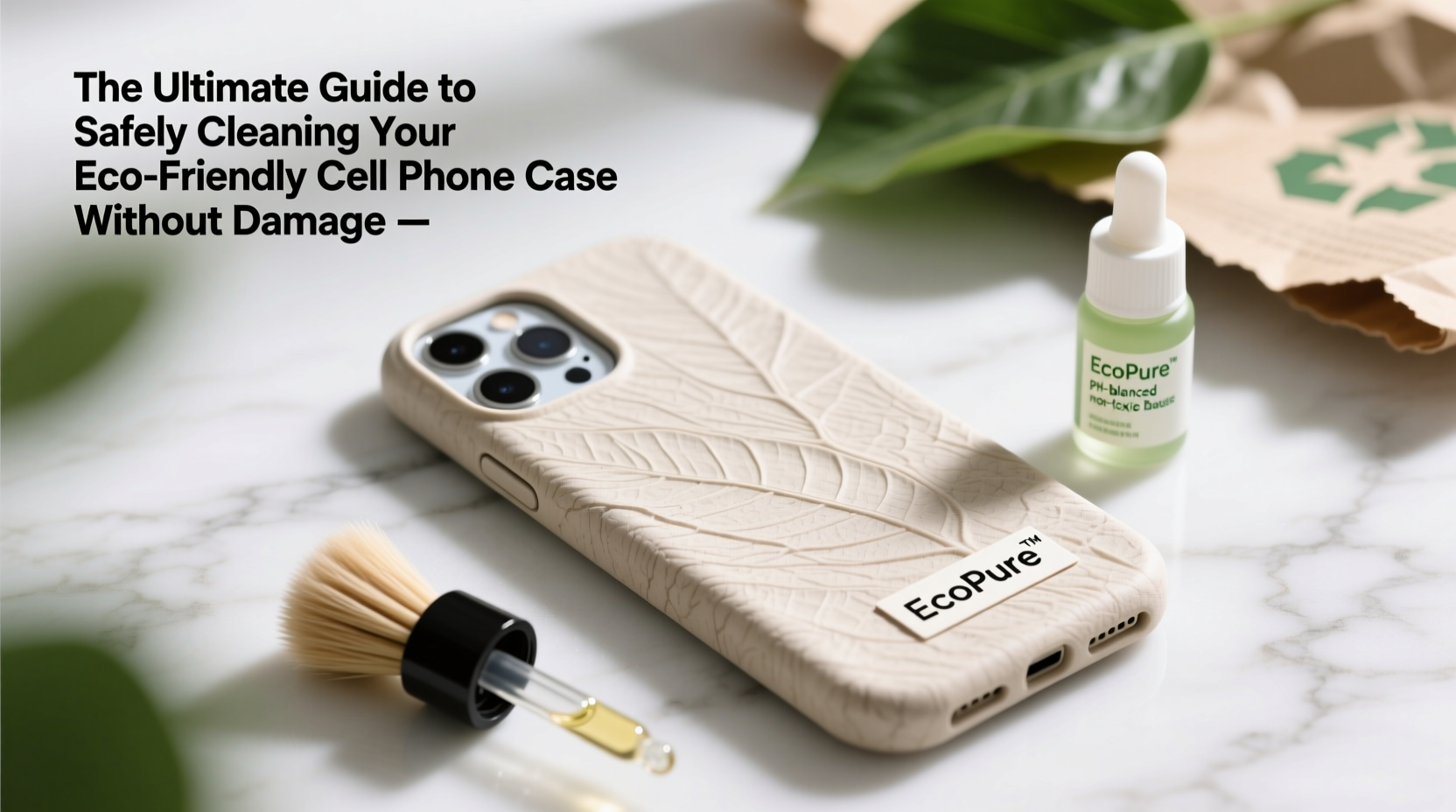
Unlike traditional plastic cases made from petroleum-based polymers, eco-friendly alternatives often use organic compounds or bio-sourced materials that are more sensitive to solvents, heat, and abrasion. For example, cases made from corn-based PLA (polylactic acid) can warp when exposed to high temperatures, while bamboo composites may absorb moisture and swell if soaked. Even natural dyes used in these products can fade under UV light or strong detergents.
Regular exposure to hand oils, sweat, dust, and pocket lint accelerates grime buildup, making periodic cleaning essential. But because many common household cleaners contain alcohol, bleach, or ammonia, using them on sustainable materials risks chemical degradation. The goal is effective sanitation without sacrificing durability or aesthetics.
“Eco-conscious materials demand eco-conscious maintenance. You wouldn’t use diesel on an electric car—don’t treat sustainable tech accessories like conventional plastics.” — Dr. Lena Torres, Materials Scientist at GreenTech Labs
Step-by-Step Guide: How to Safely Clean Your Eco-Friendly Phone Case
Cleaning your sustainable phone case doesn’t need to be complicated. With the right tools and timing, you can maintain hygiene and appearance with minimal effort. Follow this six-step process every 2–3 weeks, or more frequently if you carry your phone in pockets or use it heavily throughout the day.
- Remove the case from your phone. Always power off your device first, then gently detach the case. Avoid prying with sharp objects that could scratch edges.
- Shake off loose debris. Hold the case outside or over a trash can and tap it lightly to dislodge crumbs, sand, or dust trapped in corners.
- Rinse under lukewarm water. Use a gentle stream of water to wet both the interior and exterior surfaces. Never use hot water—it can distort plant-based plastics.
- Apply a mild cleaning solution. Mix a few drops of fragrance-free, biodegradable dish soap with water. Dip a soft-bristle toothbrush or microfiber cloth into the solution and gently scrub all surfaces, especially crevices around buttons and ports.
- Rinse thoroughly and dry immediately. Ensure no soap residue remains, as it can attract dirt. Pat dry with a lint-free towel, then air-dry completely in a shaded area for 15–20 minutes.
- Reattach only when fully dry. Reinstalling a damp case can trap moisture against your phone, risking corrosion or mold growth inside charging ports.
Dos and Don’ts of Eco-Friendly Case Maintenance
To prevent accidental damage, follow this simple reference table outlining best practices and common pitfalls.
| Do | Don't |
|---|---|
| Use lukewarm water and natural soap | Soak the case for extended periods |
| Clean every 2–3 weeks | Use alcohol wipes or disinfectant sprays |
| Scrub gently with a soft brush | Place in dishwasher or washing machine |
| Air-dry in indirect sunlight | Leave near heaters or in direct sun |
| Store in breathable fabric pouch | Wrap in plastic or seal in airtight container |
Real Example: When Overcleaning Caused Cracking
Jamal, a software developer in Portland, purchased a compostable flax fiber phone case promoted for its zero-waste lifecycle. After two months of daily use, he noticed small cracks forming along the sides. Confused, he reached out to the manufacturer. Their analysis revealed that while the case was durable, Jamal had been wiping it daily with disinfecting wipes containing 65% ethanol—commonly used during flu season. The alcohol slowly broke down the natural resins binding the fibers, leading to premature brittleness. Switching to a weekly rinse with soapy water and microfiber drying extended his next case’s life by nearly eight months.
This scenario highlights how well-intentioned hygiene habits can backfire when mismatched with material properties. Sustainability isn’t just about sourcing—it’s also about stewardship.
Checklist: Monthly Eco-Case Care Routine
Stay consistent with this quick-reference checklist to maximize longevity and cleanliness:
- ☐ Remove case and inspect for wear or staining
- ☐ Shake out debris and rinse under lukewarm water
- ☐ Scrub with eco-friendly soap and soft brush
- ☐ Rinse thoroughly and pat dry with microfiber cloth
- ☐ Air-dry completely away from direct heat or sunlight
- ☐ Wipe down phone before reattaching case
- ☐ Rotate to a second case if available
Frequently Asked Questions
Can I use vinegar to clean my bioplastic phone case?
Vinegar is mildly acidic and generally safe in diluted form (1 part vinegar to 3 parts water), but it should be used sparingly. Test on a small area first, especially for cases with natural finishes or dyes. Rinse thoroughly afterward to avoid lingering acidity that might degrade surface coatings over time.
How do I remove yellowing from a plant-based TPU case?
Yellowing typically occurs due to UV exposure or oxidation. Avoid bleaching agents. Instead, try a paste of baking soda and water applied gently with a cloth. Rub in circular motions, rinse well, and dry. For severe discoloration, prevention is key—store the case away from windows and direct sunlight.
Are eco-friendly cases waterproof?
Most are water-resistant but not fully waterproof. While brief contact with water is fine during cleaning, prolonged submersion or exposure to moisture (like beach environments) can compromise structural integrity, especially in wood or fiber-reinforced models.
Conclusion: Care That Honors Sustainability
Your eco-friendly phone case represents a commitment to reducing plastic waste and supporting ethical manufacturing. That commitment shouldn’t end at purchase—it extends into how you maintain the product. By adopting gentle, informed cleaning practices, you preserve not only the case’s function and appearance but also its environmental benefits. Every extra month your case lasts is one less item entering the waste stream.




 浙公网安备
33010002000092号
浙公网安备
33010002000092号 浙B2-20120091-4
Comments
No comments yet. Why don't you start the discussion?