
The round camellia pillow has become a staple in modern homes—praised for its elegant design, supportive structure, and calming aesthetic. Often used for meditation, lumbar support, or decorative flair, these pillows combine natural materials like buckwheat hulls or kapok with soft, breathable fabric covers. However, over time, dust, oils, and odors can accumulate, compromising both hygiene and comfort. While many assume such specialty pillows can’t be cleaned at home, the truth is they can—with care, the right method, and a clear understanding of the materials involved.
Cleaning your camellia pillow improperly can lead to mold growth, fabric shrinkage, or clumping of the inner filling. This guide provides a comprehensive, safe approach to maintaining your pillow’s freshness and longevity without risking damage. From identifying your pillow’s construction to step-by-step cleaning techniques and long-term care strategies, you’ll learn everything needed to keep it in pristine condition.
Understanding Your Camellia Pillow’s Construction
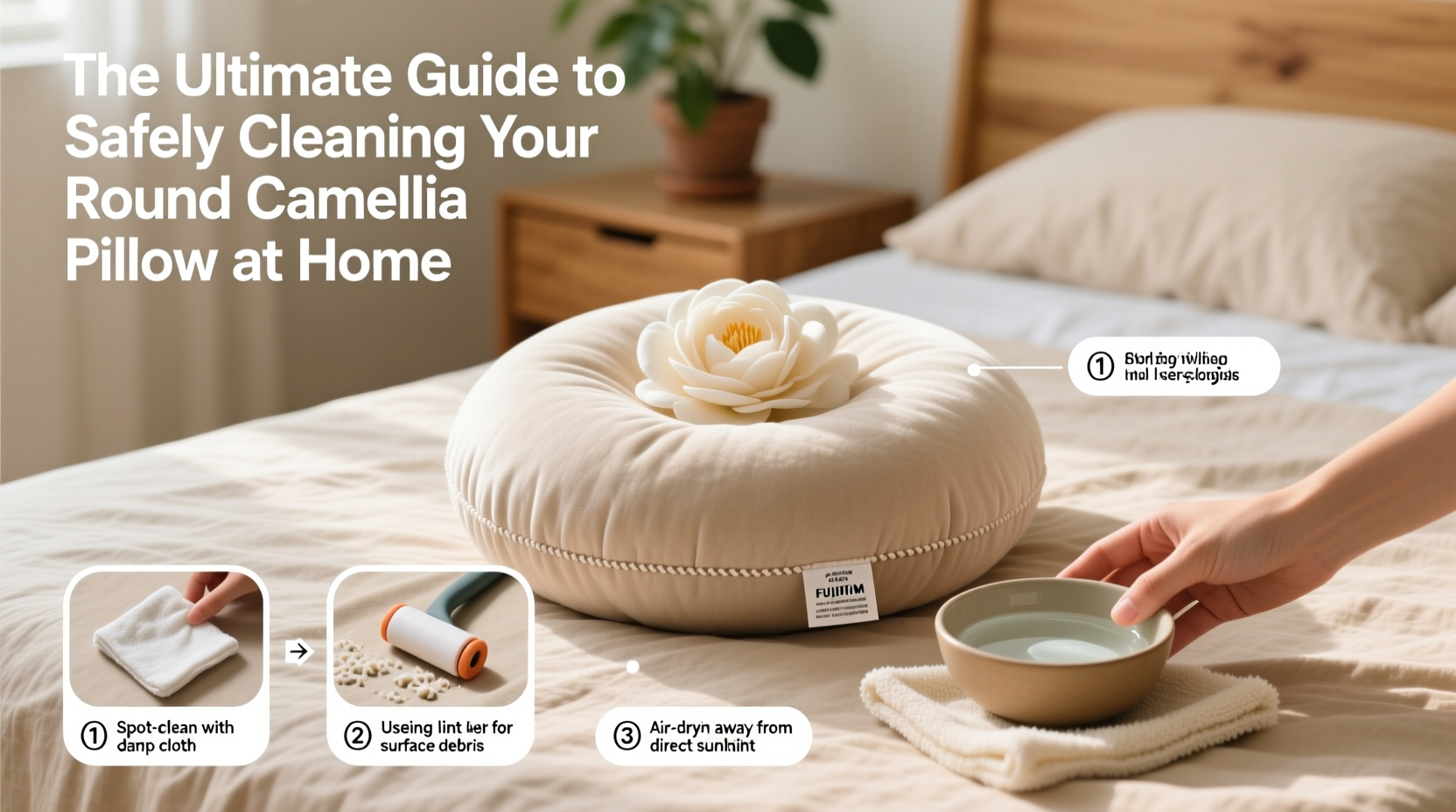
Before any cleaning begins, it’s essential to understand what makes your round camellia pillow unique. Most models consist of two key components: an outer cover and an inner insert. The outer cover is typically made from cotton, linen, or a cotton-blend fabric, chosen for breathability and softness. The inner filling is usually buckwheat hulls, millet, or kapok fiber—natural materials that provide firm yet flexible support.
Because the filling is not washable, the cleaning process must focus solely on the removable cover. Attempting to submerge the entire pillow or machine-wash the insert can ruin its structural integrity. Always check the manufacturer’s tag for care instructions. If no label exists, assume the safest route: hand-wash only for the cover and spot-clean only for non-removable types.
“Natural-fill pillows require gentle handling. The outer fabric bears the brunt of soiling, so regular cover maintenance is the most effective way to preserve the pillow.” — Dr. Lena Torres, Textile Care Specialist
Step-by-Step Guide to Cleaning the Removable Cover
If your camellia pillow has a removable cover (often secured with a zipper or hidden snap), follow this detailed process to clean it safely:
- Remove the cover carefully: Unzip or unfasten the closure and gently pull the cover off the inner insert. Avoid stretching the fabric.
- Check for stains: Inspect the fabric for spots, especially around the edges and center where skin contact occurs most.
- Pre-treat stains: Use a small amount of mild detergent mixed with water. Dab (don’t rub) the solution onto stained areas with a clean cloth.
- Hand-wash in cool water: Fill a basin with cool water and a gentle detergent (like Woolite or baby shampoo). Submerge the cover and agitate gently for 3–5 minutes.
- Rinse thoroughly: Drain the soapy water and refill the basin with clean, cool water. Rinse until no suds remain.
- Press out excess water: Do not wring. Instead, press the fabric between clean towels to absorb moisture.
- Air-dry flat: Lay the cover on a drying rack or clean towel in a well-ventilated area, away from direct sunlight. Flip occasionally to ensure even drying.
- Reassemble once fully dry: Reinsert the inner pillow only after the cover is completely dry to prevent mildew.
Caring for Non-Removable Covers: Spot-Cleaning Techniques
Some camellia pillows come with permanently attached covers. In these cases, full washing isn’t possible. Instead, rely on targeted spot-cleaning to maintain cleanliness:
- Mix one teaspoon of mild detergent with one cup of cool water.
- Dip a clean, white microfiber cloth into the solution and wring it out thoroughly.
- Gently dab the affected area, working from the outside inward to prevent spreading.
- Use a second damp cloth (with plain water) to blot and remove soap residue.
- Pat dry with a towel and allow the area to air-dry completely—use a fan if needed.
For odor control, sprinkle a light layer of baking soda over the surface, let it sit for 30 minutes, then vacuum gently with a brush attachment. This neutralizes smells without introducing moisture.
Do’s and Don’ts of Camellia Pillow Maintenance
| Do’s | Don’ts |
|---|---|
| Wash the cover every 4–6 weeks with regular use | Machine-wash the inner insert |
| Air out the pillow monthly in indirect sunlight | Expose the pillow to high heat or dryers |
| Fluff the insert regularly to prevent clumping | Use harsh chemicals or enzymatic cleaners |
| Rotate the pillow weekly for even wear | Soak the entire pillow in water |
| Store in a breathable cotton bag when not in use | Compress or vacuum-seal the filling |
Real-Life Example: Preventing Mold After Accidental Spills
Sarah, a yoga instructor in Portland, spilled herbal tea on her camellia pillow during a morning session. Assuming it would dry on its own, she placed it near a window. Two days later, she noticed a musty smell and faint dark spots along the seam. Acting quickly, she removed the cover and washed it immediately. She then laid the inner insert on a screened porch for 48 hours with a fan circulating air. Though the spill was minor, the delayed response nearly led to irreversible mold growth. Her experience underscores the importance of immediate action—even small spills need prompt attention.
Frequently Asked Questions
Can I dry the cover in the dryer?
No. High heat can shrink natural fabrics and weaken stitching. Always air-dry the cover flat to preserve its shape and texture.
How often should I clean my camellia pillow?
The outer cover should be washed every 4–6 weeks with regular use. For light use or decorative purposes, every 8–12 weeks is sufficient. Spot-clean spills immediately, and air out the pillow monthly.
What if the inner filling gets wet?
If the insert becomes damp, spread it in a thin layer on a clean, dry surface in a well-ventilated area. Stir occasionally to speed drying. Never microwave or oven-dry the filling—it’s a fire hazard and will degrade the material.
Long-Term Care Checklist
- ✅ Remove and wash cover every 4–6 weeks
- ✅ Air out the entire pillow monthly
- ✅ Fluff the inner filling weekly
- ✅ Vacuum cover surface gently with brush attachment
- ✅ Rotate pillow 180 degrees weekly for even wear
- ✅ Store in a breathable cotton bag when not in use
- ✅ Address spills within 1 hour
Final Thoughts: Preserve Comfort and Cleanliness
Your round camellia pillow is more than just a decorative accent—it supports your posture, enhances relaxation, and contributes to your daily well-being. Treating it with consistent, informed care ensures it remains hygienic, comfortable, and visually appealing for years. By following these guidelines, you protect your investment and elevate your home environment.




 浙公网安备
33010002000092号
浙公网安备
33010002000092号 浙B2-20120091-4
Comments
No comments yet. Why don't you start the discussion?