
Newborn skin is incredibly sensitive, and the fabrics that touch it must be handled with care. From onesies to swaddle blankets, baby clothes require more than just a gentle wash—they demand thoughtful drying practices that preserve softness, prevent shrinkage, and extend garment life. Many parents unknowingly damage delicate fabrics by using high heat or harsh methods, leading to stiff textures, faded prints, and weakened seams. This guide reveals safe, science-backed techniques for drying newborn clothing that maintain comfort and longevity, ensuring your baby’s wardrobe stays cozy and intact through countless wears.
Why Proper Drying Matters for Newborn Clothes
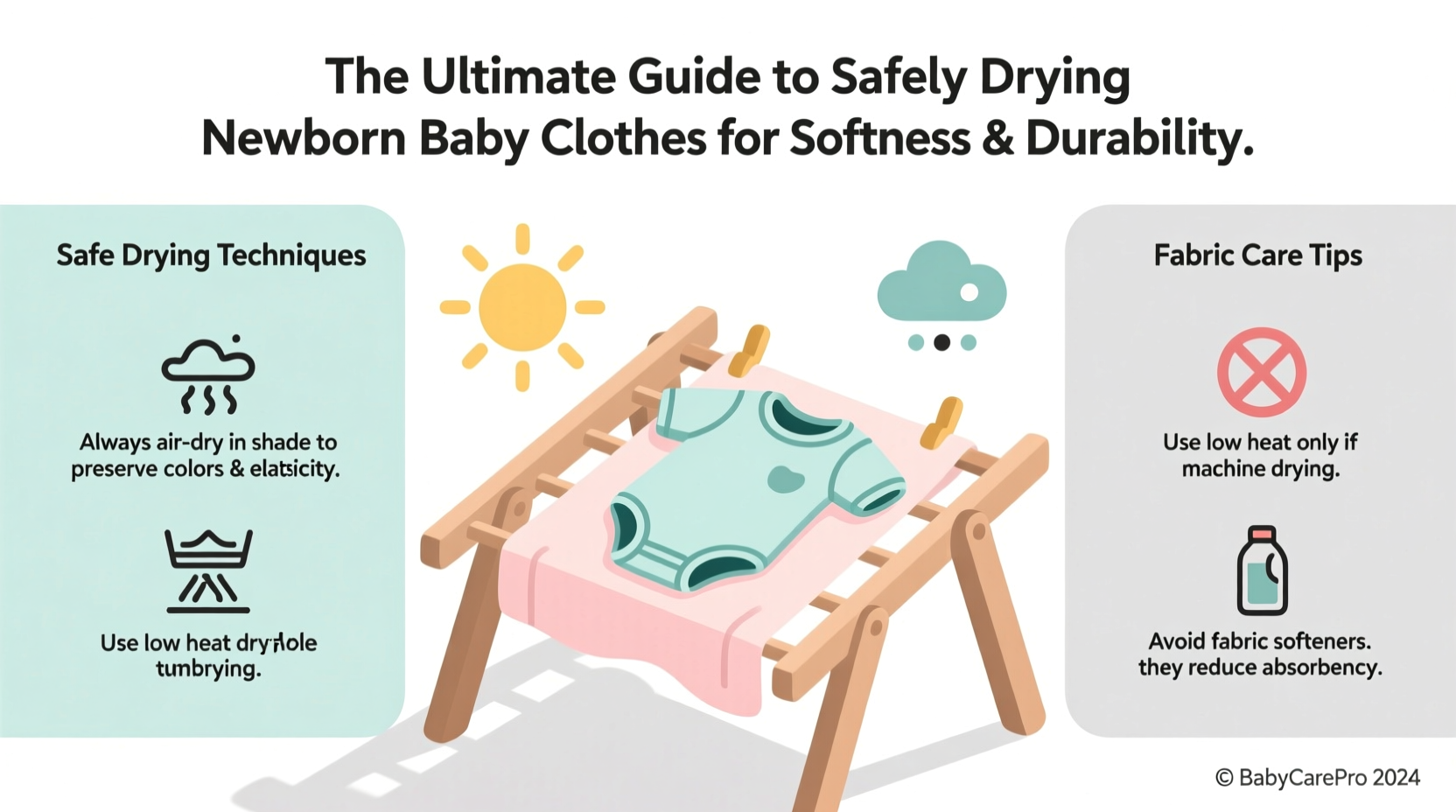
Baby clothes are typically made from fine cotton, bamboo, modal, or blended knits designed for breathability and gentleness. These materials react poorly to aggressive drying. High heat can degrade fibers, cause pilling, and reduce absorbency in cloth diapers or muslin cloths. Over-drying leads to stiffness, which can irritate a newborn’s developing skin barrier. Moreover, repeated exposure to tumbling and friction in conventional dryers shortens garment lifespan, resulting in frequent replacements.
Proper drying isn’t just about convenience—it’s a crucial step in maintaining hygiene, softness, and structural integrity. The right method ensures clothes remain supple, hypoallergenic, and free from chemical residues often left behind by dryer sheets or synthetic fragrances.
The Best Drying Methods for Delicate Baby Fabrics
Not all drying methods are created equal. For newborn garments, prioritizing low-impact, moisture-controlled techniques yields superior results. Below are four proven approaches, ranked by safety and effectiveness.
- Air-Drying on a Flat Surface: Ideal for stretchy bodysuits and hand-knit items. Lay garments flat on a clean towel or mesh rack to prevent stretching. This method preserves elasticity and prevents misshaping.
- Hanging with Non-Metal Hangers: Use padded or wooden hangers for structured pieces like cardigans. Avoid metal clips that can leave marks or snag fine weaves.
- Indoor Clothesline Drying: A controlled indoor line minimizes dust and UV degradation while allowing airflow. Keep lines away from direct sunlight to prevent color fading.
- Low-Heat Tumble Drying (with caution): If using a dryer, select “Delicate” or “Air Fluff” mode with zero heat. Limit cycles to under 20 minutes and remove clothes while slightly damp to finish air-drying.
Avoid overloading drying racks or lines. Crowded garments take longer to dry and may develop mildew odors due to trapped moisture.
Dos and Don’ts of Newborn Clothing Care
| Do | Don’t |
|---|---|
| Use fragrance-free, hypoallergenic laundry detergent | Use fabric softeners or dryer sheets |
| Dry in shaded, well-ventilated areas | Expose wet clothes to direct sunlight for long periods |
| Turn clothes inside out before drying | Tumble dry silk-trimmed or lace-detail items |
| Check labels for fiber-specific instructions | Wring out delicate fabrics by hand |
| Rotate garments on drying racks for even airflow | Store damp clothes in closed baskets |
Step-by-Step Guide to Safe Drying Routine
Follow this six-step process after washing to ensure optimal drying results:
- Remove Excess Water Gently: After washing, press water out without wringing. Roll garments in a dry towel to absorb moisture.
- Inspect for Stains or Damp Spots: Re-wash any lingering soiling before drying to prevent setting stains.
- Prepare Drying Area: Choose a cool, airy space away from humidity sources like bathrooms or kitchens.
- Lay Flat or Hang Appropriately: Knits and sleep sacks go flat; shirts and pants hang. Use breathable mesh racks if available.
- Flip Midway Through Drying: After 2–3 hours, turn garments to expose damp inner layers to air.
- Test for Dryness Before Folding: Feel seams and collars—these retain moisture longest. Only store when fully dry.
This routine takes slightly longer than machine drying but significantly improves fabric resilience and comfort.
“Newborn skin has a thinner epidermis and higher pH than adult skin, making it vulnerable to irritants left in improperly dried fabrics.” — Dr. Lena Patel, Pediatric Dermatologist
Real-Life Example: How One Parent Improved Fabric Longevity
Sophie, a first-time mother from Portland, noticed her baby’s cotton onesies becoming rough and shrinking after just two weeks. She was using a standard dryer cycle with fabric softener, believing it added softness. After switching to indoor line drying and eliminating dryer sheets, she observed immediate improvements. The clothes retained their shape, felt softer against her baby’s skin, and lasted through three months of daily use without pilling. By month six, most garments were still wearable—double the average lifespan she’d seen previously.
Her key change? Treating baby clothes like lingerie: hand-washed in cold water, gently pressed, and air-dried indoors. “I used to think I didn’t have time,” she said. “But now I prep a drying rack each week, and it takes less than five minutes. My baby stopped scratching, and I save money not replacing clothes every few weeks.”
Frequently Asked Questions
Can I use a tumble dryer on low heat for baby clothes?
Yes, but sparingly. Use only for sturdy cotton items and always on the “Delicate” or “No Heat” setting. Remove clothes while slightly damp and finish drying flat to avoid stiffness. Avoid using heat on spandex blends, ribbed cuffs, or anything with printed designs.
How long does it take for newborn clothes to air-dry?
Most lightweight garments dry within 4–6 hours in a room with moderate airflow. Thicker items like hooded sleepers or wool blends may take 8–12 hours. Humid climates extend drying time—using a fan nearby (not blowing directly) can help speed up the process.
Is it safe to dry baby clothes outside?
Outdoor drying is effective but comes with caveats. Pollen, dust, and bird droppings can settle on fabrics, posing allergy risks. If drying outside, cover garments with a mesh screen or bring them in once mostly dry. Avoid peak pollen times (early morning) and never leave clothes unattended.
Essential Checklist for Safe Baby Clothes Drying
- ☐ Sort clothes by fabric type before drying
- ☐ Use only fragrance-free, dye-free detergents
- ☐ Never apply high heat to synthetic or blended fabrics
- ☐ Dry delicate items flat to maintain shape
- ☐ Rotate garments halfway through drying
- ☐ Ensure complete dryness before folding or storing
- ☐ Store dried clothes in breathable cotton bags or drawers
Final Thoughts: Building a Gentle Care Habit
Caring for newborn clothes goes beyond cleanliness—it’s an act of protection. Every drying decision impacts how soft a onesie feels against tender skin and how many times it can be worn before wearing out. By adopting mindful drying practices, parents not only extend the usability of garments but also create a safer, more comfortable environment for their baby.
Start small: designate a corner of your home for a drying rack, invest in a few mesh hangers, and commit to one full week of air-drying. You’ll notice the difference in texture, scent, and garment condition. Over time, these habits become second nature—just like swaddling or soothing a cry.




 浙公网安备
33010002000092号
浙公网安备
33010002000092号 浙B2-20120091-4
Comments
No comments yet. Why don't you start the discussion?