
As temperatures rise, your activewear needs to keep pace—not just in style, but in function. A summer tracksuit should feel light, wick moisture efficiently, and allow freedom of movement without trapping heat. The key lies in the fabric. With so many options on the market, from cotton blends to high-tech synthetics, choosing the right material can mean the difference between a refreshing workout and an overheated struggle. This guide breaks down the science, performance traits, and real-world usability of summer tracksuit fabrics to help you make informed choices.
Why Fabric Matters in Summer Activewear
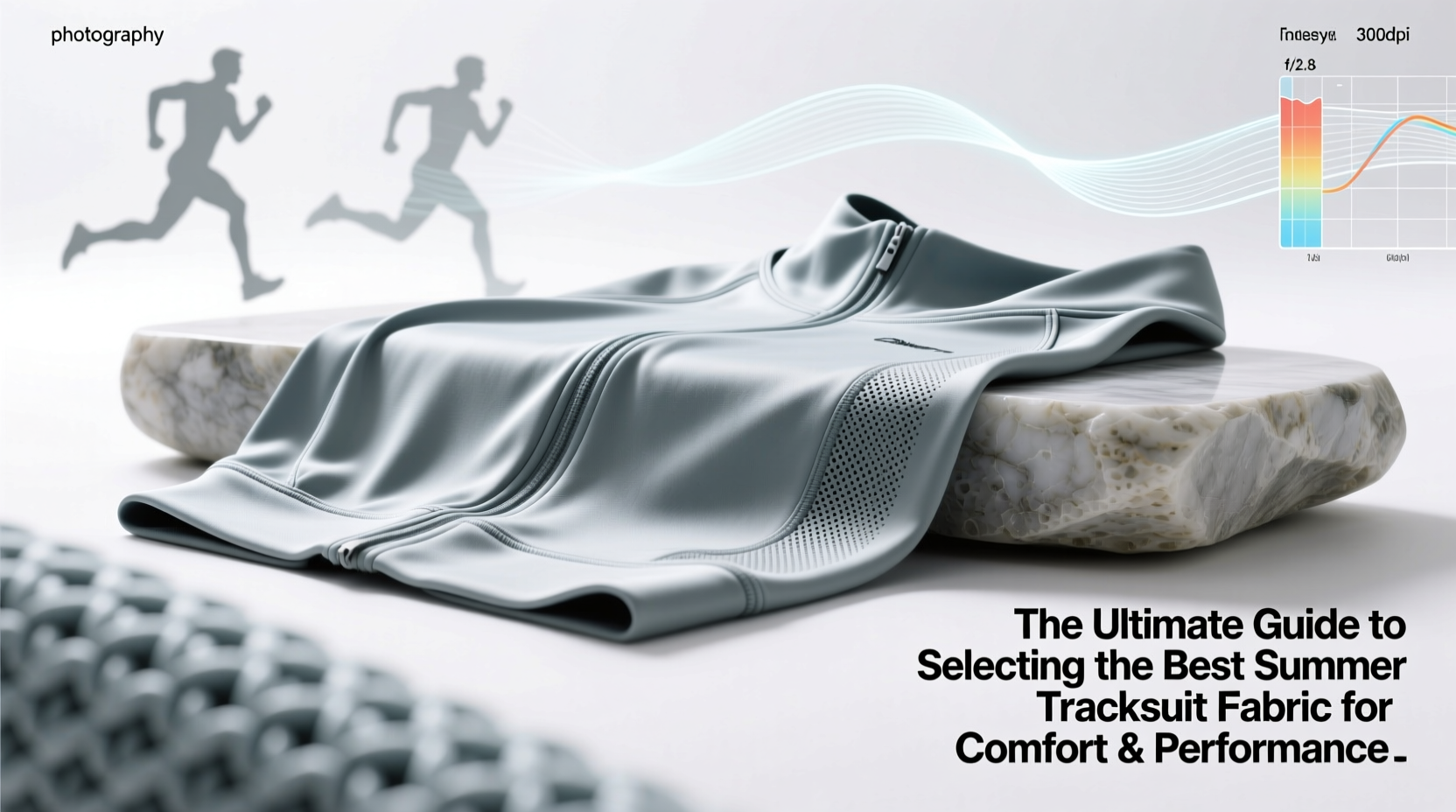
In warm weather, your body relies heavily on evaporation to regulate temperature. When sweat can't evaporate quickly—often due to poor fabric choice—you feel sticky, overheated, and fatigued faster. The ideal summer tracksuit balances breathability, moisture management, stretch, and durability while remaining lightweight.
Fabrics that trap heat or absorb too much moisture increase thermal stress, which can impair athletic performance and even lead to discomfort or skin irritation. On the flip side, well-chosen materials enhance airflow, dry rapidly, and maintain shape through repeated use and washing.
Top Summer Tracksuit Fabrics Compared
Not all fabrics are created equal. Below is a breakdown of the most common materials used in summer tracksuits, evaluated across critical performance categories.
| Fabric | Breathability | Moisture Wicking | Durability | Weight | Best For |
|---|---|---|---|---|---|
| Polyester (Performance Grade) | High | Excellent | Very High | Light | Running, gym sessions, high-intensity training |
| Nylon | High | Good | High | Light to Medium | Casual wear, outdoor activities |
| Merino Wool (Fine Knit) | Very High | Excellent | Moderate | Medium | Temperature regulation, odor resistance |
| Cotton (Blends with Synthetics) | Moderate | Poor to Fair | Moderate | Medium | Leisure, low-intensity use |
| Elastane/Spandex (Usually Blended) | Low to Moderate | Fair | High | Very Light | Stretch and fit enhancement |
Performance polyester dominates the market for a reason: it’s engineered to move moisture away from the skin and dry quickly. Many premium brands now use recycled polyester, combining sustainability with functionality.
“Modern performance fabrics like micro-polyester with mesh ventilation zones offer superior thermoregulation compared to traditional cotton. They’re designed to work *with* your body, not against it.” — Dr. Lena Torres, Sportswear Material Scientist, Textile Innovation Lab
Key Features to Look For
Selecting the right fabric isn’t just about material type—it’s also about construction and design features that amplify performance.
- Moisture-wicking finish: Chemical or mechanical treatments that pull sweat to the outer surface for faster evaporation.
- Mesh paneling: Strategically placed breathable zones under arms, along the spine, or behind knees improve airflow.
- UPF protection: Some fabrics include UV-blocking properties, essential for outdoor training.
- Antimicrobial treatment: Prevents odor-causing bacteria buildup, especially useful for multi-day wear or travel.
- 4-way stretch: Allows unrestricted motion during dynamic movements like lunges or sprints.
How Weave and Knit Affect Performance
The way fibers are woven or knitted impacts texture, flexibility, and breathability. Jersey knits are soft and stretchy, ideal for casual wear, while ripstop weaves add durability and structure. Mesh knits, though less common in full tracksuits, are excellent for inserts where ventilation matters most.
Tightly woven fabrics may last longer but restrict airflow. Looser knits breathe better but may pill over time. The best summer tracksuits combine multiple knit types in one piece—a technique known as “engineered knitting”—to optimize both comfort and resilience.
Real-World Example: Training Through Humid Summers
Jamal, a personal trainer in Miami, struggled with overheating during outdoor boot camps. His old cotton-heavy tracksuit would soak up sweat, cling to his skin, and take hours to dry. After switching to a performance set made from 90% recycled polyester and 10% spandex with laser-cut ventilation zones, he noticed immediate improvements. “I could train clients for two hours straight without feeling weighed down,” he said. “Even after washing it 20 times, it still looks and performs like new.”
This case highlights how the right fabric blend enhances endurance, hygiene, and confidence—especially in humid climates where moisture control is critical.
Step-by-Step Guide to Choosing Your Ideal Summer Tracksuit
- Define your primary activity: Are you running, doing yoga, walking, or wearing it casually? High-motion activities demand more stretch and wicking.
- Check the fabric content label: Prioritize polyester, nylon, or merino wool. Avoid garments with more than 50% cotton unless intended for leisure.
- Feel the weight and texture: Lightweight (under 200 gsm) is best for summer. Run your hand over the inside—smooth finishes reduce chafing.
- Look for functional design elements: Mesh panels, elastic cuffs, zippered pockets, and adjustable hoods add practical value.
- Test mobility: Raise your arms, bend forward, and squat. The suit should move with you, not restrict you.
- Verify care instructions: Machine-washable, quick-drying suits save time and maintain performance over months of use.
Common Mistakes to Avoid
- Choosing style over substance: A sleek look means little if the fabric traps heat.
- Ignoring blend percentages: Even small amounts of cotton can compromise wicking if dominant in the blend.
- Overlooking fit: Too tight restricts circulation; too loose creates drag and reduces breathability efficiency.
- Skipping care labels: Harsh detergents or high-heat drying can degrade technical fabrics over time.
Frequently Asked Questions
Can I wear a tracksuit in extreme heat?
Yes—if it's made from lightweight, breathable, moisture-wicking fabric. Modern performance tracksuits are designed for hot conditions, especially those with ventilation zones and UV protection. Avoid heavy, non-breathable materials.
Is merino wool suitable for summer?
Surprisingly, yes. Fine-gauge merino wool regulates temperature naturally, resists odor, and wicks moisture effectively. It’s often used in premium activewear despite being a natural fiber. Just ensure it’s blended for stretch and durability.
How do I extend the life of my tracksuit?
Wash in cold water with mild detergent, avoid fabric softeners (they clog wicking fibers), and air dry when possible. Rotate usage to prevent excessive wear on a single suit.
Final Checklist Before Buying
- ✅ Fabric is primarily synthetic (polyester/nylon) or merino wool
- Ensures moisture management and durability
- ✅ Includes at least 5–15% elastane for flexibility
- Supports dynamic movement without sagging
- ✅ Features ventilation zones or mesh lining
- Improves airflow in high-sweat areas
- ✅ Labeled as quick-dry or moisture-wicking
- Backed by performance claims from the manufacturer
- ✅ Fits comfortably with room to move
- Snug but not restrictive; allows layering if needed
Conclusion: Make Smart Fabric Choices for Better Performance
Your summer tracksuit doesn’t have to be a compromise between comfort and capability. By understanding fabric properties and prioritizing performance-driven design, you can stay cool, dry, and agile no matter how intense the heat or workout. Whether you're training outdoors, commuting, or simply relaxing, the right material elevates your experience. Don’t settle for outdated cotton-heavy designs—explore modern blends that support your lifestyle.




 浙公网安备
33010002000092号
浙公网安备
33010002000092号 浙B2-20120091-4
Comments
No comments yet. Why don't you start the discussion?