
A well-chosen coffee cup saucer set does more than hold a steaming beverage—it anchors a moment of comfort, reflects personal taste, and enhances the daily ritual of coffee drinking. Whether you're setting a formal table, furnishing a cozy kitchen nook, or equipping a small café, the right combination of cup and saucer influences both experience and aesthetics. With countless materials, designs, and sizes on the market, making an informed choice ensures lasting satisfaction. This guide explores every critical factor in selecting a coffee cup saucer set that excels in both form and function.
Understand Material Differences and Their Impact
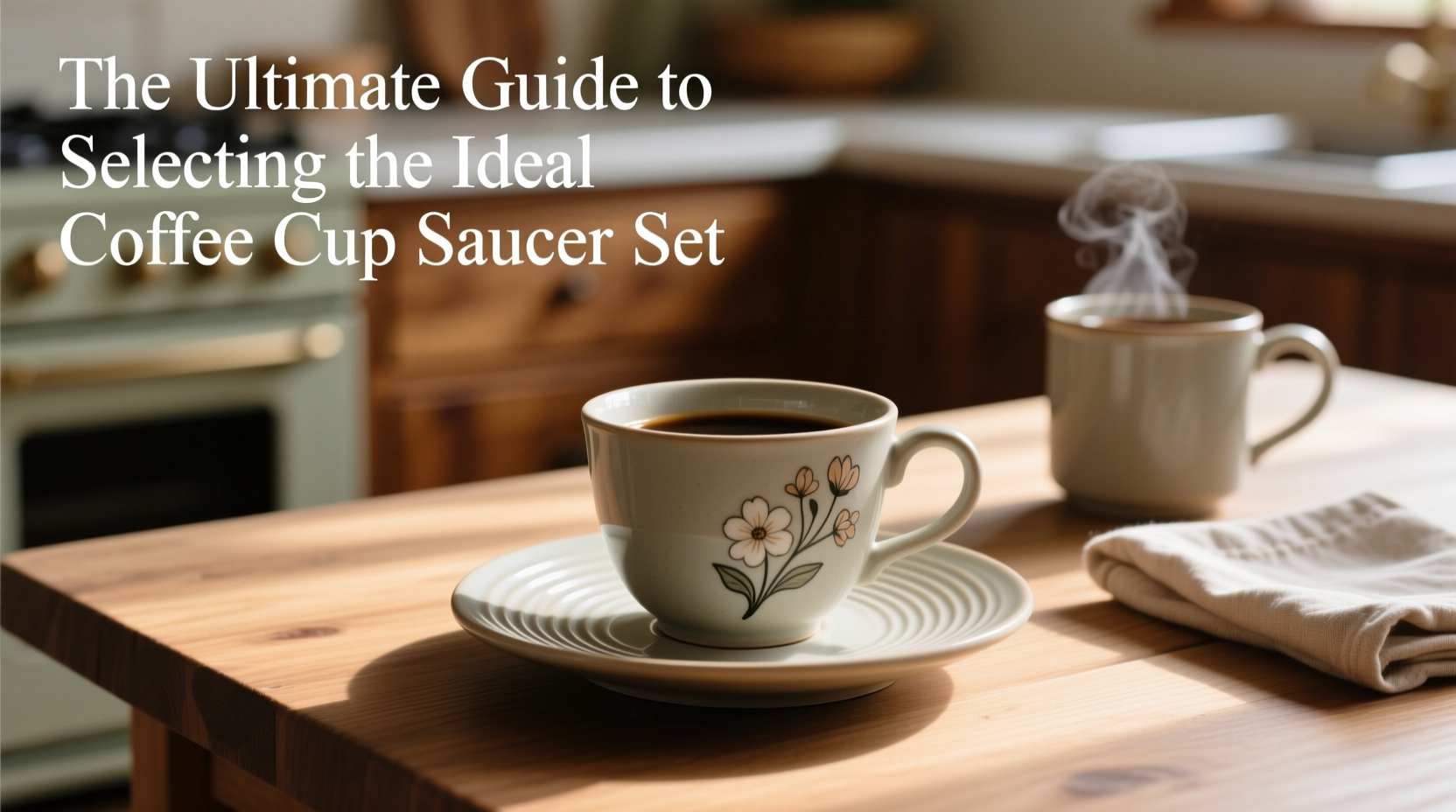
The material of your cup and saucer set affects heat retention, durability, weight, and visual appeal. Each option comes with distinct advantages and trade-offs.
- Porcelain: Known for its smooth, luminous finish and lightweight feel, porcelain is a favorite for formal settings. It retains heat well and resists chipping when high-quality. However, it can be fragile under sudden temperature changes.
- Stoneware: Heavier and more rustic, stoneware offers excellent durability and a matte or textured surface. Ideal for everyday use, it withstands drops better than porcelain but may absorb moisture if not glazed properly.
- Bone China: Combining elegance with surprising strength, bone china contains bone ash, giving it a translucent quality and resistance to thermal shock. It’s perfect for those who want luxury without constant worry over breakage.
- Ceramic: A broad category that includes earthenware and terracotta. Often handcrafted, ceramic sets bring artisanal charm but vary widely in quality. Look for fully vitrified (non-porous) glazes for longevity.
- Melamine: Not suitable for hot drinks, melamine is best reserved for outdoor or children’s sets due to its shatterproof nature and vibrant prints.
“Bone china remains the gold standard for balance—light enough to feel refined, strong enough for regular use.” — Clara Nguyen, Tableware Curator at The Heritage Living Collection
Match Size and Proportion to Your Coffee Style
Coffee isn’t one-size-fits-all—and neither are cups and saucers. The ideal size depends on your preferred brew type and serving context.
| Coffee Type | Cup Capacity | Saucer Diameter | Best For |
|---|---|---|---|
| Espresso | 2–3 oz | 4.5–5 inches | Small servings, intense flavor, traditional Italian service |
| Drip/Americano | 6–8 oz | 5.5–6 inches | Morning routines, office use, casual gatherings |
| Cappuccino/Latte | 8–12 oz | 6.5+ inches | Café-style presentation, milk-based drinks |
| Tea or Dessert Coffee | 4–6 oz | 5–5.5 inches | After-dinner service, paired with sweets |
Proper proportion matters: a saucer should extend about half an inch beyond the cup base for stability and visual harmony. Oversized saucers can look awkward with small cups, while undersized ones risk spills and imbalance.
Design and Aesthetic Harmony
Your coffee set contributes to the atmosphere of your space. Consider how the design integrates with your existing tableware, interior décor, and usage frequency.
- Color Palette: Neutral tones like ivory, gray, or sage offer versatility across seasons and occasions. Bold colors or patterns make a statement but may clash with other pieces over time.
- Edge Style: Rolled, fluted, or scalloped edges add vintage flair; straight rims suit modern minimalism.
- Pattern Complexity: Intricate florals or gilded accents work beautifully for special events but may feel out of place in a utilitarian kitchen.
- Finish: Matte finishes reduce glare and hide fingerprints; glossy surfaces enhance light reflection and appear more luxurious but show smudges easily.
If mixing and matching is part of your style, opt for sets with neutral bases and subtle detailing—these allow flexibility when layering with colored linens or accent dishes.
Mini Case Study: A Café Owner’s Choice
When opening \"Haven Brew,\" a neighborhood specialty coffee shop, owner Marcus Lee faced a dilemma: should he prioritize elegance or practicality? After testing five different sets, he chose a matte white stoneware collection with 7-inch saucers and 8-ounce cups. The decision balanced aesthetic cohesion with resilience—customers praised the “earthy yet clean” look, and staff appreciated the chip-resistant build during busy hours. The set also stacked efficiently, saving shelf space. Within three months, customer feedback confirmed that the tactile experience enhanced perceived drink quality.
Functionality Beyond the First Sip
A great coffee set must perform consistently over time. Evaluate these often-overlooked functional aspects before purchasing.
- Handle Ergonomics: The handle should accommodate average fingers comfortably. Test by holding a sample—if your fingertip touches the cup body, it may become too hot during use.
- Thermal Shock Resistance: Avoid sets that crack when transitioning from fridge to microwave. High-fired ceramics and bone china typically perform best.
- Stackability: Essential for storage, especially in compact kitchens. Check whether cups nest securely and saucers align without wobbling.
- Lip Design: A slightly tapered rim directs liquid smoothly to the mouth. Sharp or thick lips can disrupt the drinking experience.
- Glaze Safety: Ensure lead-free, food-safe glazing, particularly for brightly colored or hand-painted options. Reputable brands comply with FDA or EU safety standards.
Checklist: Selecting Your Ideal Set
Before finalizing your purchase, go through this checklist to ensure you’re getting the best value and performance:
- ✅ Confirm capacity matches your typical pour size
- ✅ Verify dishwasher and microwave compatibility
- ✅ Assess handle comfort with real-world grip testing
- ✅ Check for uniform glazing and absence of blemishes
- ✅ Match saucer diameter to cup base + ½ inch clearance
- ✅ Evaluate long-term style compatibility with your home
- ✅ Prioritize lead-free, non-toxic materials
- ✅ Consider buying one test piece before committing to a full set
Frequently Asked Questions
Can I mix different brands of cups and saucers?
Yes, as long as proportions and styles are compatible. Many designers intentionally create modular collections for mixing. Just ensure the diameters align and the materials respond similarly to heat and cleaning.
Why do some saucers have slight indentations?
The center indentation, or foot ring, stabilizes the cup and prevents sliding. It also reduces surface contact, minimizing heat transfer to the table and protecting wood finishes from condensation rings.
How many sets should a household own?
A minimum of four place settings allows for guests and rotation during laundry or dishwashing. For avid entertainers or families, eight to twelve is ideal. Include one durable everyday set and one elegant option for special occasions.
Conclusion: Elevate Every Coffee Moment
Choosing the ideal coffee cup saucer set is more than a shopping decision—it's an investment in daily pleasure and thoughtful living. When style meets substance, each morning pour becomes a gesture of care. Whether you're drawn to the delicate translucence of bone china or the grounded warmth of stoneware, let your selection reflect both your aesthetic values and practical needs. The perfect set doesn’t just serve coffee; it honors the ritual behind it.




 浙公网安备
33010002000092号
浙公网安备
33010002000092号 浙B2-20120091-4
Comments
No comments yet. Why don't you start the discussion?