
Your smartphone is one of the most frequently used and valuable personal devices. Yet, many people choose a phone case based on aesthetics alone, overlooking how much the material impacts protection, longevity, and usability. The right case doesn’t just look good—it aligns with your lifestyle, environment, and priorities. From rugged outdoor adventures to minimalist desk jobs, the ideal material varies significantly. Understanding the strengths and trade-offs of each option ensures your phone stays safe without compromising on comfort or ethics.
Different Phone Case Materials: Pros and Cons
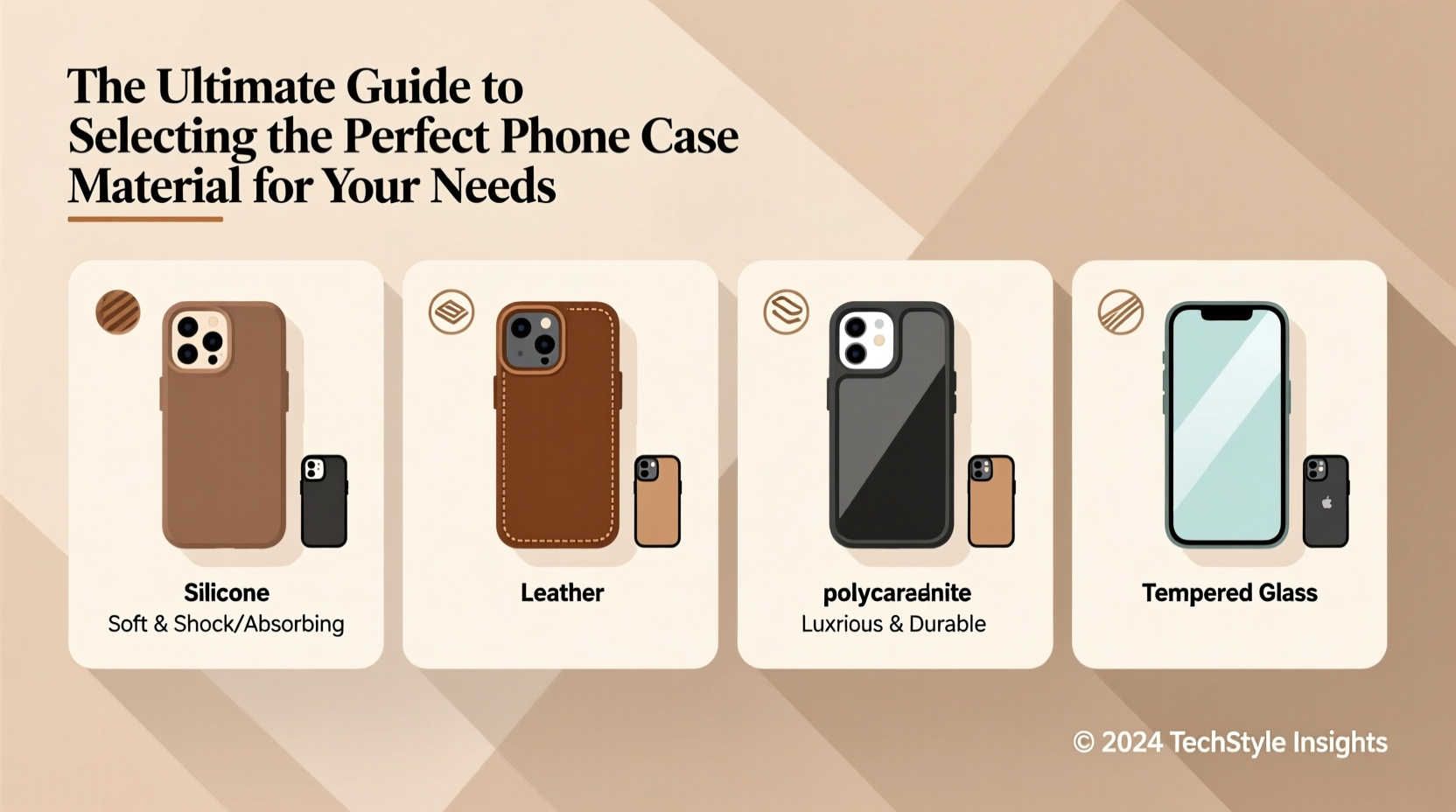
Phone cases are made from a range of materials, each offering distinct benefits and drawbacks. Knowing what each brings to the table helps you make an informed decision based on real-world use rather than marketing claims.
Silicone
A popular choice due to its soft touch and flexibility, silicone provides decent shock absorption and resists minor scratches. It’s easy to clean and maintains grip well, even in wet conditions. However, over time, it can attract dust and develop a sticky texture. Cheaper variants may discolor when exposed to sunlight or oils from skin.
TPU (Thermoplastic Polyurethane)
TPU strikes a balance between rigidity and flexibility. It offers excellent drop protection and retains its shape better than silicone. Most mid-range protective cases use TPU because it molds precisely to the phone and often includes raised edges for screen protection. On the downside, transparent TPU cases tend to yellow after several months of UV exposure.
Polycarbonate (Hard Plastic)
Rigid and scratch-resistant, polycarbonate delivers a sleek, slim profile. Often used in “hard shell” cases, it resists deformation and maintains clarity if transparent. However, it lacks shock absorption—drops on hard surfaces can still damage the phone despite the case. Best suited for users who prioritize style and minimalism over heavy-duty protection.
Leather
Genuine leather ages beautifully, developing a unique patina over time. Premium leather cases feel luxurious and improve with age. They’re typically paired with internal TPU or polycarbonate frames for structural support. However, they offer limited drop protection and require maintenance to prevent drying or cracking. Also, not all leather is created equal—bonded leather peels and wears quickly.
Biodegradable & Eco-Friendly Materials
With growing environmental awareness, plant-based plastics, recycled TPU, and bamboo composites are gaining traction. These materials reduce reliance on fossil fuels and often come in compostable packaging. While eco-conscious, they may sacrifice some durability and availability. Still, for environmentally aware users, this trade-off is worth considering.
Matching Material to Lifestyle
Your daily routine should dictate your case choice more than trends. A case that works for a construction worker won’t suit a corporate executive—and vice versa.
- Active or Outdoor Use: Opt for rugged TPU or hybrid cases with reinforced corners. Look for MIL-STD-810G certification, which indicates military-grade drop testing.
- Office or Urban Commute: Slim polycarbonate or leather cases provide elegance and basic scratch protection without bulk.
- Parent or Clumsy User: Full-coverage TPU with high bumpers and anti-slip texture minimizes damage from frequent drops.
- Eco-Conscious Consumer: Seek out brands using certified recycled materials or compostable bioplastics, ideally backed by third-party sustainability labels.
“Material choice isn’t about which is ‘best’ overall—it’s about which best serves the user’s environment and habits.” — Dr. Lena Torres, Product Durability Researcher at MobileTech Labs
Comparing Protection, Style, and Longevity
The ideal phone case balances three core factors: protection, appearance, and lifespan. The table below breaks down how common materials perform across these categories.
| Material | Drop Protection | Scratch Resistance | Style Options | Lifespan |
|---|---|---|---|---|
| Silicone | Moderate | Low | High (colors, textures) | 1–2 years (may degrade) |
| TPU | High | Moderate | Moderate | 2–3 years |
| Polycarbonate | Low–Moderate | High | High (glossy, matte, clear) | 3+ years |
| Genuine Leather | Moderate (with frame) | High (when conditioned) | Very High (premium aesthetic) | 2–5 years (improves with age) |
| Eco-Bioplastics | Low–Moderate | Low–Moderate | Low–Moderate | 1–2 years (varies by blend) |
Step-by-Step Guide to Choosing Your Ideal Case
Selecting the right phone case doesn’t have to be overwhelming. Follow this structured process to find the perfect match.
- Assess Your Risk Level: How often do you drop your phone? Do you use it in dusty, wet, or extreme environments?
- Define Priorities: Rank protection, slimness, sustainability, and cost in order of importance.
- Check Compatibility: Ensure the case allows full access to ports, buttons, and wireless charging. Some thick cases interfere with MagSafe or NFC payments.
- Research Brands: Look for companies with warranties, replaceable parts, or recycling programs. Reputable brands often publish material sourcing details.
- Test Grip and Feel: If possible, handle the case in person. A slippery or overly bulky design will frustrate daily use.
- Read Real User Reviews: Focus on long-term feedback—many cases look great initially but degrade within months.
Real-World Example: Sarah’s Switch from Leather to TPU
Sarah, a graphic designer in Seattle, loved her minimalist leather case for its professional look. But after six months of commuting via bike and ferry, the case began cracking at the corners, and her phone survived two cracked screens from falls on wet pavement. She switched to a matte black TPU case with air-cushion corners. Though less elegant, it survived a 6-foot drop onto concrete unscathed. “I didn’t realize how much my lifestyle demanded durability until I actually tested it,” she said. “Now I don’t stress when my phone slips out of my bag.”
Essential Checklist Before Buying
Before finalizing your purchase, verify the following:
- ✅ Confirmed compatibility with your exact phone model
- ✅ Meets your primary need (e.g., drop protection, slim profile, eco-materials)
- ✅ Maintains functionality (camera cutouts, button responsiveness, charging access)
- ✅ Has reliable anti-slip texture if you're prone to dropping
- ✅ Includes warranty or return policy in case of defects
- ✅ Sourced responsibly (if sustainability matters to you)
Frequently Asked Questions
Is a more expensive case always better?
Not necessarily. Price often reflects branding, materials, or design, not protection. Some affordable TPU cases outperform premium leather ones in drop tests. Focus on independent reviews and certifications rather than price alone.
Do clear cases stay clear forever?
No. Most clear cases, especially TPU-based ones, yellow over time due to UV exposure, heat, and contact with oils. To slow this, avoid leaving your phone in hot cars or direct sunlight. Some brands now offer UV-stabilized clear cases with longer clarity retention.
Can I recycle my old phone case?
Most standard cases aren’t recyclable through curbside programs due to mixed materials. However, some manufacturers like Pela and Incipio offer take-back or composting programs for their eco-cases. Check the brand’s website for end-of-life options.
Make the Right Choice for Your Life
Your phone case is more than an accessory—it’s a daily safeguard. The perfect material depends not on popularity, but on how well it supports your habits, values, and environment. Whether you need bombproof durability, refined elegance, or planet-friendly design, there’s a material engineered to meet that need. Take the time to evaluate your usage patterns, prioritize what matters, and invest in a case that truly fits. Your phone—and your peace of mind—will thank you.




 浙公网安备
33010002000092号
浙公网安备
33010002000092号 浙B2-20120091-4
Comments
No comments yet. Why don't you start the discussion?