
Designer backpacks like those from MKF blend urban functionality with high-end aesthetics. Whether you use it daily for work, travel, or casual outings, your MKF backpack endures exposure to dust, sweat, spills, and environmental wear. Over time, grime accumulates, zippers stiffen, and fabric loses its luster. Without proper care, even the most premium materials degrade prematurely. Cleaning it isn’t just about appearance—it’s about protecting your investment. This guide delivers a meticulous, material-conscious process to clean, condition, and maintain your MKF backpack so it continues to perform and impress for years.
Understanding Your MKF Backpack’s Materials
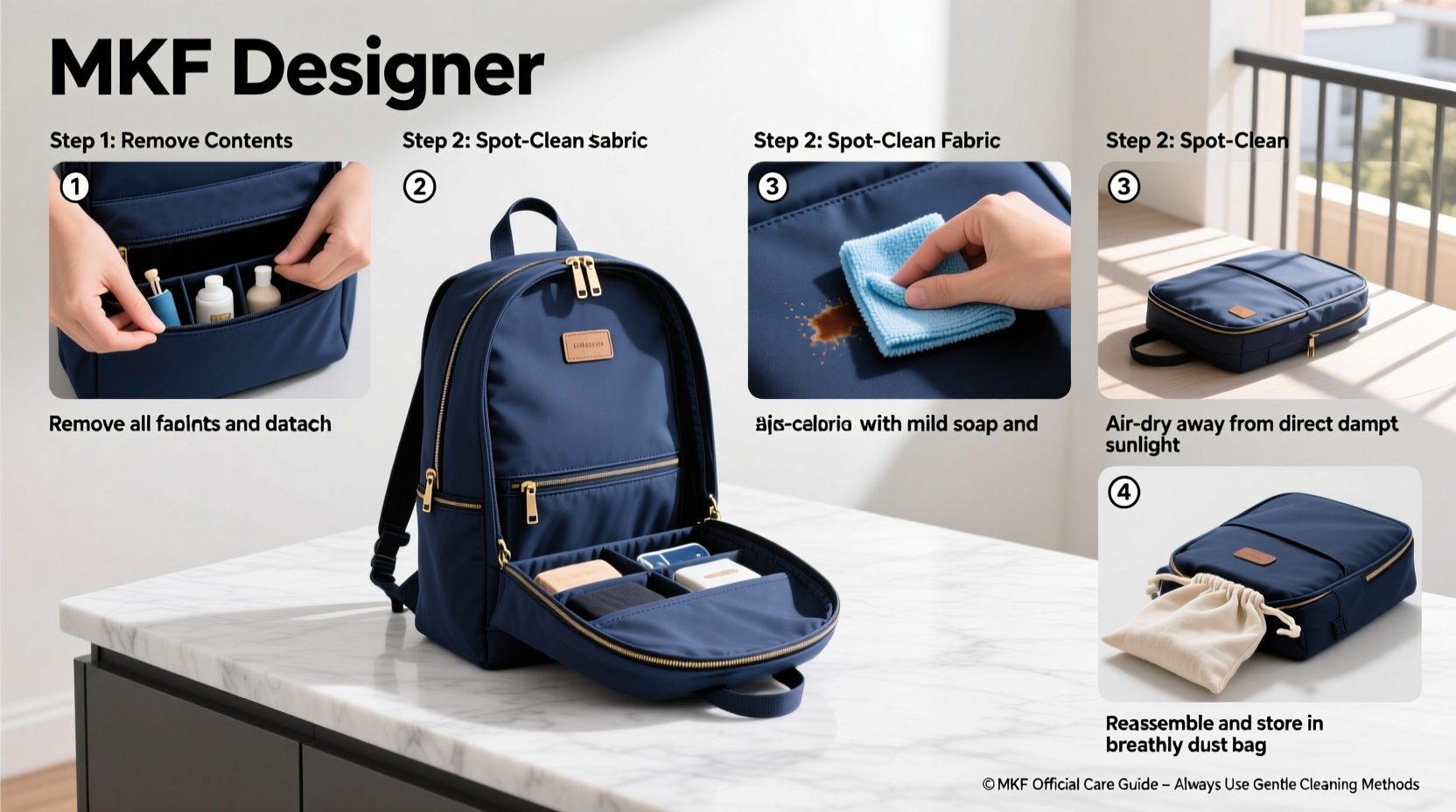
MKF backpacks are typically constructed from a combination of synthetic fabrics, genuine or faux leather trims, metal hardware, and reinforced stitching. Common outer materials include water-resistant nylon, ballistic polyester, or coated canvas. Trims often feature real leather on straps, zipper pulls, or brand logos. Some models integrate vegan leather panels or rubberized accents. Recognizing what your specific model is made of is essential before cleaning begins. Using the wrong method—like applying a leather conditioner to nylon—can cause staining, texture damage, or delamination.
To identify your backpack’s composition:
- Check the product tag or original packaging for material specifications.
- Visit the official MKF website and search your model number.
- Perform a discreet touch test: leather feels soft and slightly porous; synthetic feels smooth and cool.
“Designer bags are engineered with precision. Treating each material correctly ensures structural integrity and visual consistency.” — Lena Patel, Textile Conservation Specialist
Step-by-Step Cleaning Process
Cleaning should be done every 6–8 weeks with regular use, or immediately after exposure to spills, rain, or heavy dirt. Follow this timeline-based routine for best results.
- Empty & Inspect (5 minutes)
Remove all contents. Turn pockets inside out and shake gently. Check for loose threads, broken zippers, or stains needing special attention. - Dry Brushing (7 minutes)
Use a soft-bristle brush (a clean toothbrush works) to dislodge surface dust, lint, and debris from seams, zippers, and corners. - Spot Test (10 minutes)
Apply a small amount of your chosen cleaner to an inconspicuous area (e.g., bottom edge). Wait 15 minutes. If no discoloration or texture change occurs, proceed. - Surface Cleaning (20–30 minutes)
For fabric areas: dampen a microfiber cloth with a mix of mild detergent (like Woolite) and lukewarm water. Wipe in gentle circular motions. For leather trims: use a dedicated leather wipe or a cloth dampened with distilled water only. - Harden Areas & Zippers (10 minutes)
Clean zippers with a dry toothbrush. Lubricate stiff sliders with a tiny drop of silicone-based zipper lubricant—never oil-based. - Rinse & Dry (Air-dry: 4–6 hours)
Wipe cleaned areas with a clean, damp cloth to remove soap residue. Pat dry with a towel. Air-dry completely away from direct sunlight or heat sources. Never use a hairdryer. - Condition (Optional, 5 minutes)
If your model has genuine leather components, apply a pea-sized amount of pH-balanced leather conditioner. Buff gently with a lint-free cloth.
Do’s and Don’ts: Material-Specific Care Table
| Material | Do’s | Don’ts |
|---|---|---|
| Nylon/Polyester | Use mild detergent + water; spot clean with microfiber cloth | Use bleach, abrasive scrubbers, or machine wash |
| Genuine Leather Trim | Wipe with leather-safe cleanser; condition quarterly | Expose to prolonged moisture; use alcohol-based wipes |
| Faux Leather/Vegan Panels | Clean with water + mild soap; avoid soaking | Use solvents or petroleum-based products |
| Hardware (Zippers, Buckles) | Brush gently; lubricate with silicone spray | Scrub with steel wool or vinegar solutions |
Tips for Long-Term Maintenance
Preserving your MKF backpack goes beyond periodic cleaning. Daily habits determine how well it ages. Consider these actionable tips to enhance durability and appearance over time.
- Rotate usage if you own multiple bags—this reduces continuous strain on one item.
- Avoid placing the backpack directly on public floors or dirty surfaces.
- Store upright in a breathable cotton dust bag when not in use.
- Keep away from perfumes, hand sanitizers, and makeup—alcohol and oils can stain or degrade coatings.
Real-World Example: The Commuter’s Recovery
Jamal, a graphic designer in Chicago, relied on his MKF AeroCore Pro backpack five days a week. After nine months, the shoulder straps darkened from sweat, and the front pocket showed coffee stains. He almost donated it—until he followed a targeted cleaning process. He used a 1:3 mixture of distilled water and mild castile soap on a microfiber cloth, focusing on stained zones. He cleaned the leather strap anchors with a specialized wipe and conditioned them afterward. Within two hours of effort, the bag looked nearly new. Two years later, with quarterly maintenance, it remains his go-to carry. His experience proves that consistent, informed care reverses wear far more effectively than replacement.
Essential Cleaning Checklist
Before every cleaning session, verify you have the following:
- ✅ Empty backpack with all compartments open
- ✅ Soft-bristle brush or clean toothbrush
- ✅ Microfiber cloths (2–3)
- ✅ Mild detergent (non-bleach, fragrance-free)
- ✅ Distilled water (to prevent mineral deposits)
- ✅ Leather cleaner (if applicable)
- ✅ Silicone zipper lubricant
- ✅ pH-balanced leather conditioner (for genuine leather parts)
- ✅ Cotton dust bag for storage post-cleaning
Frequently Asked Questions
Can I machine wash my MKF backpack?
No. Machine washing can break down bonded seams, warp shape, and damage water-resistant coatings. Always hand-clean using gentle methods outlined in this guide.
How do I remove odors without damaging the fabric?
Place an open box of baking soda inside the main compartment and leave it overnight in a dry area. Avoid sprays or perfumes, which may react with dyes. For persistent smells, wipe interior lining with a cloth dampened with diluted white vinegar (1 part vinegar to 5 parts water), then air-dry thoroughly.
Is it safe to use disinfectant wipes on the exterior?
Only if the surface is non-porous (e.g., rubberized trim). Standard disinfectant wipes contain alcohol and quaternary ammonium compounds that can fade colors and dry out leather. Stick to water-based cleaning for fabric and certified leather products.
Final Thoughts: Treat It Like the Investment It Is
Your MKF designer backpack is more than a carryall—it's a fusion of design intelligence and functional artistry. Proper cleaning isn’t a chore; it’s stewardship. Each wipe, brush stroke, and conditioning session extends its life, maintains resale value, and honors the craftsmanship behind it. By integrating these steps into your routine, you ensure your backpack stays as sharp on day 365 as it did on day one.




 浙公网安备
33010002000092号
浙公网安备
33010002000092号 浙B2-20120091-4
Comments
No comments yet. Why don't you start the discussion?