
When shopping for bed sheets, few numbers are as prominently displayed—or as misunderstood—as thread count. Manufacturers often tout 800, 1000, or even 1800 thread counts as the ultimate mark of luxury and softness. But is a higher number truly a guarantee of better quality? The reality is far more nuanced. While thread count can offer some insight into fabric density, it's frequently manipulated, overemphasized, and misunderstood. In truth, factors like fiber quality, weave type, and finishing processes have a much greater impact on how soft, breathable, and durable your sheets feel.
This article cuts through the marketing hype to reveal what thread count really means, why extremely high numbers are often misleading, and what you should actually look for when buying sheets that feel luxurious and last for years.
What Is Thread Count—And What It’s Not
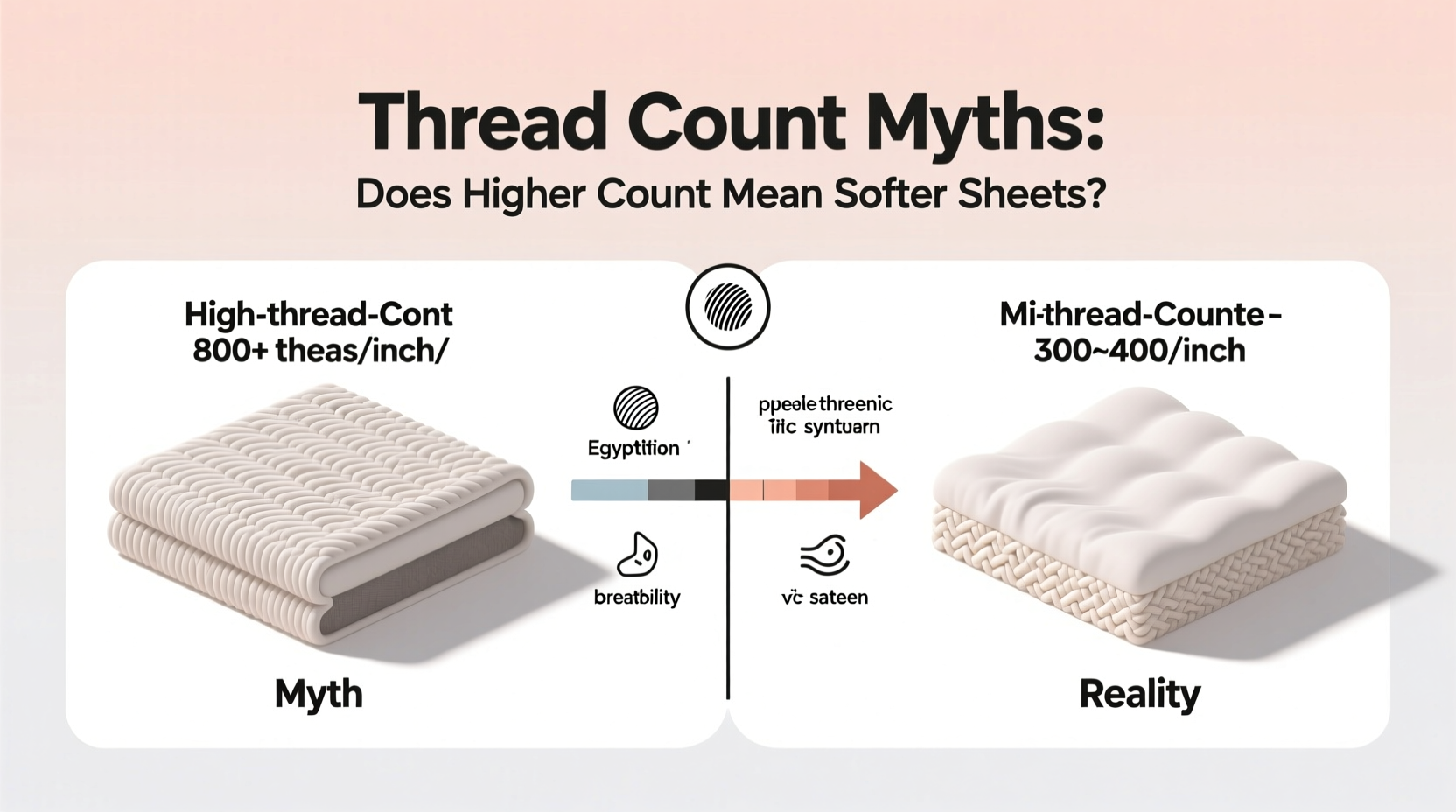
Thread count refers to the number of horizontal (weft) and vertical (warp) threads woven into one square inch of fabric. A sheet with 300 horizontal and 300 vertical threads per inch has a thread count of 600. At face value, this seems straightforward. Higher thread count suggests a denser weave, which marketers equate with softness and durability.
However, thread count alone tells only part of the story. It doesn’t account for:
- The thickness or quality of the individual threads
- Whether multi-ply yarns are counted multiple times
- The type of cotton or fiber used
- The weaving technique (percale vs. sateen)
- Chemical finishes that artificially enhance softness
For example, a manufacturer might use two-ply yarns—where two strands are twisted together—and count each strand separately, inflating the total. A 500-thread-count sheet made with two-ply yarn could be listed as 1000 thread count, even though it’s not denser or finer than a true 500 single-ply fabric.
“Thread count is just one piece of the puzzle. You can have a 300-thread-count Egyptian cotton sheet that feels more luxurious than an 800-thread-count polyester blend.” — Dr. Laura Bennett, Textile Scientist and Home Goods Consultant
The Myth of “Higher = Better”
The belief that higher thread count equals superior sheets gained traction in the late 1990s and early 2000s, driven by aggressive marketing from big-box retailers. As competition grew, brands began pushing thread counts into the thousands, creating a false hierarchy where consumers assumed 1200 was twice as good as 600.
In reality, there’s a physical limit to how many threads can fit into a square inch before compromising breathability, softness, and comfort. Most textile experts agree that beyond 400–500 thread count, additional threads don’t improve performance—they may even degrade it.
Overly dense weaves trap heat, reduce airflow, and can feel heavy or plasticky. They’re also more prone to pilling because the tight construction stresses the fibers during washing and friction.
What Actually Determines Sheet Softness and Quality?
If thread count isn’t the key to softness, what is? Several interrelated factors play a more significant role in how sheets feel against your skin and how well they perform over time.
Fiber Quality: The Foundation of Comfort
The type and grade of cotton matter more than any number. Long-staple cotton varieties like Egyptian, Pima, or Supima® have longer, smoother fibers that produce stronger, silkier yarns. These fibers result in sheets that are naturally soft, lustrous, and resistant to pilling.
In contrast, short-staple cotton requires shorter, weaker fibers that are often blended with synthetic materials or heavily processed to mimic softness. These sheets may feel smooth at first but degrade quickly after a few washes.
Weave Type: Percale vs. Sateen
The way threads are woven affects texture, breathability, and sheen:
| Weave Type | Texture | Breathability | Ideal For |
|---|---|---|---|
| Percale | Crisp, cool, matte finish | High – great for hot sleepers | Summer months, those who prefer hotel-like sheets |
| Sateen | Smooth, silky, slight sheen | Moderate – slightly warmer | Winter, lovers of soft, draping fabrics |
A 300-thread-count percale sheet made from long-staple cotton can feel cooler and more refined than a 1000-thread-count microfiber sateen sheet.
Yarn Construction: Single-Ply vs. Multi-Ply
Single-ply yarns consist of one strand and produce lighter, softer, more breathable fabric. Multi-ply yarns twist two or more strands together, creating thicker, heavier fabric that may be stronger but less comfortable.
Again, unscrupulous labeling practices allow brands to count each ply in the thread count, so a 250-thread-count sheet using four-ply yarn might be advertised as 1000 thread count—a legal but misleading practice.
Red Flags in Sheet Marketing
Not all brands mislead intentionally, but many exploit consumer confusion. Here are common tactics to watch out for:
- Thread counts above 800: Often achieved through multi-ply yarn inflation or synthetic blends.
- No mention of cotton type: If it doesn’t specify Egyptian, Pima, or Supima, it’s likely lower-grade cotton.
- Prices that seem too good to be true: Genuine long-staple cotton is expensive to grow and process.
- Vague terms like “luxury” or “premium” without specifications: These are marketing fluff.
Real-World Example: The Hotel Experience
Consider the sheets used in high-end hotels. Many luxury properties use 300-thread-count cotton percale—not because they’re cutting corners, but because it delivers the ideal balance of crispness, breathability, and durability. Over time, these sheets soften with every wash while maintaining their integrity.
Take the case of The Grand Meridian, a boutique hotel chain known for its bedding. After testing several options, their procurement team settled on a 300-thread-count long-staple cotton percale from Portugal. Despite having a “lower” thread count than competitors’ offerings, guest satisfaction scores for bed comfort rose by 37% within six months.
“Guests consistently comment on how fresh and comfortable the sheets feel,” says Maria Tran, Director of Guest Experience. “We learned that real luxury isn’t about inflated numbers—it’s about consistency, quality materials, and attention to detail.”
How to Choose Truly Soft, High-Quality Sheets
To make informed decisions, shift your focus from thread count to a holistic evaluation of materials and craftsmanship. Follow this checklist when shopping:
✅ Sheet Selection Checklist
- Look for long-staple cotton: Egyptian, Pima, or Supima® are best-in-class.
- Check the weave: Percale for crispness and cooling; sateen for softness and warmth.
- Avoid thread counts above 600: They’re usually inflated or compromised in breathability.
- Prefer single-ply construction: Ask if the brand specifies this or look for lightweight drape.
- Read reviews for durability: Look for mentions of pilling, fading, or stiffness after washing.
- Feel the fabric if possible: High-quality cotton should feel smooth, not waxy or plastic-like.
- Check for OEKO-TEX® or GOTS certification: Ensures no harmful chemicals were used in processing.
Remember, the softest sheets aren’t necessarily the ones that feel silky right out of the package. Natural fibers like cotton soften over time with proper care. Sheets that rely on chemical softeners may feel plush initially but lose their texture after a few washes.
Step-by-Step Guide to Evaluating Sheet Quality
Next time you shop for sheets, follow this practical sequence:
- Step 1: Identify the fiber. Is it 100% long-staple cotton? Avoid blends unless specified as high-quality (e.g., TENCEL™/cotton).
- Step 2: Check the thread count range. Stick to 200–500 for natural fibers. Anything higher warrants skepticism.
- Step 3: Determine the weave. Decide whether you want crisp (percale) or silky (sateen) based on climate and preference.
- Step 4: Research the brand. Reputable companies disclose sourcing, manufacturing standards, and material specs.
- Step 5: Read customer feedback. Pay attention to comments about longevity, softening over time, and shrinkage.
- Step 6: Wash care instructions. High-quality sheets should tolerate regular machine washing without special detergents.
By following these steps, you’ll avoid falling for marketing gimmicks and invest in bedding that genuinely enhances your sleep experience.
Frequently Asked Questions
Is 1000 thread count good for sheets?
No, 1000 thread count is typically misleading. Such high counts are often achieved by counting multiple plies in a single yarn or using lower-quality fibers. These sheets tend to be less breathable, heavier, and more prone to overheating. Experts recommend sticking to 300–500 thread count for optimal comfort and durability.
Do higher thread count sheets last longer?
Not necessarily. Durability depends more on fiber quality and weave than thread count. A tightly woven 800-thread-count sheet made with short-staple cotton may pill and wear out faster than a 300-thread-count long-staple cotton sheet. Proper care, such as gentle washing and avoiding high heat, plays a bigger role in longevity.
Are low thread count sheets rough?
Not if they’re made from high-quality materials. A 200-thread-count percale sheet made from fine Egyptian cotton can feel smoother and more comfortable than a 600-thread-count polyester blend. Thread count doesn’t dictate texture—fiber length, yarn fineness, and finishing do.
Conclusion: Rethink the Number, Focus on the Material
The obsession with thread count has distracted consumers from what truly matters in bed sheets: the quality of the raw materials, the integrity of the weave, and the honesty of the brand. A higher number doesn’t mean softer, cooler, or longer-lasting sheets—it often means clever marketing designed to justify premium pricing.
Instead of chasing inflated thread counts, prioritize transparency, sustainability, and tactile comfort. Seek out long-staple cotton, understand the difference between percale and sateen, and trust your senses over spec sheets. When you do, you’ll discover that the most luxurious sleep experience comes not from a number, but from thoughtful craftsmanship and genuine quality.




 浙公网安备
33010002000092号
浙公网安备
33010002000092号 浙B2-20120091-4
Comments
No comments yet. Why don't you start the discussion?