
In the rhythm of a well-run kitchen, timing is not just important—it’s foundational. Whether you're roasting tomatoes until they collapse into jammy sweetness or simmering a sauce that demands constant attention, the difference between success and overcooked disappointment often comes down to seconds. Enter the concept of \"tomato-sized task management\": a metaphorical yet practical framework for breaking culinary work into focused, time-boxed intervals, each about the size of preparing a single ingredient—like a tomato. Timers designed with this philosophy in mind are not merely tools for counting down; they are cognitive aids that structure attention, reduce multitasking fatigue, and elevate consistency in both home and professional cooking.
This approach draws inspiration from the Pomodoro Technique, where 25-minute work intervals (named after the Italian word for tomato, *pomodoro*) are followed by short breaks. In the kitchen, this principle translates into micro-sessions dedicated to discrete tasks: chopping herbs, reducing a pan sauce, resting meat, or monitoring fermentation. The right timer becomes more than a device—it becomes a conductor of workflow, helping cooks maintain presence, avoid distractions, and execute recipes with precision.
Definition & Overview
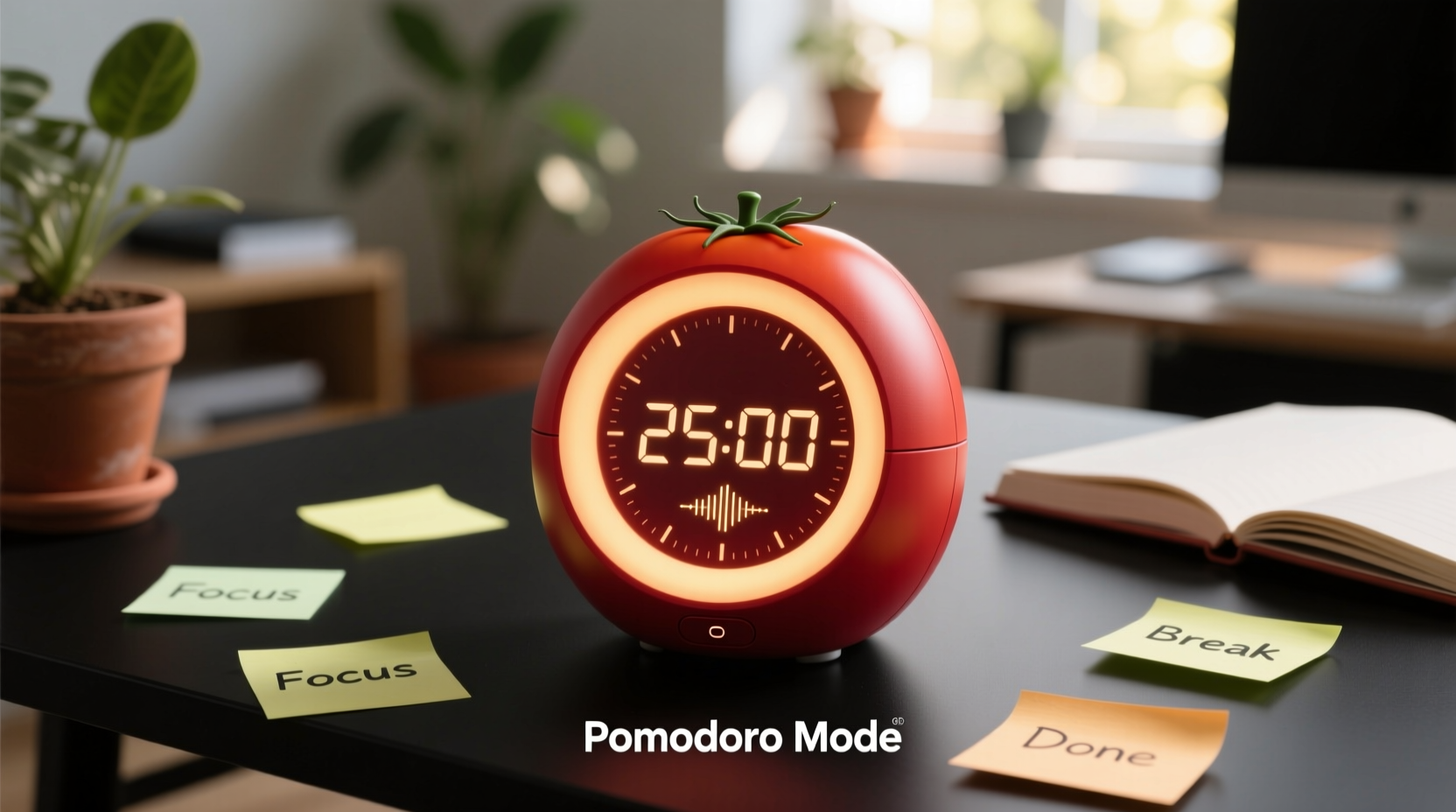
\"Tomato-sized task management\" refers to the practice of segmenting kitchen activities into manageable, timed units—each roughly equivalent in duration and complexity to preparing a single tomato. This could mean 3–7 minutes for dicing, 10–15 minutes for sautéing onions, or 20–25 minutes for slow-roasting cherry tomatoes. The term borrows from the Pomodoro Technique but adapts it specifically to culinary workflows, where sensory engagement, heat control, and sequential timing are critical.
Timers designed for this purpose go beyond simple countdown functions. They support rhythmic cooking by offering multiple alarms, visual cues, haptic feedback, and even integration with recipe apps. Their design prioritizes usability under real-world kitchen conditions: steam, noise, glove use, and high cognitive load. Unlike generic kitchen timers, those optimized for tomato-sized task management emphasize predictability, ease of resetting, and seamless transitions between phases of cooking.
The core idea is this: when each task has a defined time boundary, decision fatigue decreases, focus increases, and outcomes become more consistent. A cook isn’t left guessing whether the garlic has been browning too long—they know exactly when to check because the timer signals completion of that “tomato-sized” phase.
Key Characteristics of Effective Tomato-Sized Timers
Not all timers are equally suited to this style of cooking. The most effective models share several defining traits:
| Characteristic | Description |
|---|---|
| Time Range Flexibility | Ability to set intervals from 30 seconds to 30 minutes, accommodating small prep tasks to longer reductions. |
| Multiple Simultaneous Alarms | Supports running several timers at once—for example, one for roasting tomatoes, another for pasta water. |
| Haptic or Visual Alerts | Vibrations or flashing lights ensure alerts are noticed even in loud or busy kitchens. |
| Tactile Interface | Large buttons or dials that can be operated with wet or greasy hands. |
| Magnetic or Clip Mounting | Enables secure attachment to range hoods, fridges, or aprons for optimal visibility. |
| Quick Reset Function | One-touch restart for recurring tasks like stirring every five minutes. |
| Battery Longevity | Long life or USB rechargeability to prevent mid-recipe failure. |
| Silent Mode Option | Useful for early mornings or shared living spaces where sound might disturb others. |
Practical Usage: Integrating Timers into Daily Cooking
Using a timer for tomato-sized task management transforms chaotic meal prep into a structured sequence of intentional actions. Here’s how to apply it effectively:
- Break Recipes Into Time-Boxed Steps: Before starting, scan the recipe and identify discrete tasks. Assign approximate durations: “dice onion (4 min), sauté garlic (2 min), deglaze pan (1 min), simmer sauce (15 min).” Each becomes a “tomato-sized” block.
- Set Sequential Timers: Use a multi-alarm capable timer to queue up steps. For instance, set a 3-minute alarm for toasting spices, then a 7-minute one for searing chicken. When the first ends, begin the next phase without mental overhead.
- Use Visual Cues During Active Cooking: Place the timer where it’s visible from the stove. Models with color-changing displays (e.g., green → yellow → red) provide passive feedback on remaining time, reducing the need to check constantly.
- Incorporate Rest Periods: After a high-focus task like flambéing or tempering chocolate, set a 2-minute silent timer to pause, breathe, and assess the next step—mimicking the Pomodoro break system.
- Standardize Repetitive Tasks: Train yourself to associate specific durations with common actions. Example: “My olive oil infusion always takes 6 minutes on low heat.” Over time, this builds intuitive timing skills.
Pro Tip: Label your timers if using multiple devices. For example, use colored stickers or tape to mark “Sauce,” “Pasta,” and “Roast.” This reduces confusion during complex meals and supports muscle memory development.
In professional kitchens, line cooks often rely on synchronized timing across stations. A sous chef may call out “Two minutes on the halibut!” to coordinate plating. At home, a well-designed timer replicates this coordination, allowing solo cooks to manage multiple components with restaurant-level precision.
Variants & Types of Timers for Culinary Task Management
Different cooking environments and preferences call for different timer types. Below are the primary categories suited to tomato-sized task management:
- Analog Dial Timers: Classic mechanical models with a windable knob. Ideal for basic tasks and users who prefer tactile feedback. Best for single, long-duration alerts (e.g., roasting), but less flexible for rapid cycling.
- Digital Count-Up/Count-Down Timers: Feature LCD screens and programmable presets. Many allow saving frequently used intervals (e.g., “5-min stir,” “10-min rest”). These are ideal for repetitive or standardized cooking routines.
- Smartphone Apps: Offer advanced features like voice control, recipe syncing, and cloud-based scheduling. However, they risk distraction due to notifications and require screen unlocking, which isn't ideal with messy hands.
- Smart Speaker Integration: Voice-activated timers via Alexa, Google Assistant, or Siri enable hands-free operation. Say, “Set a 4-minute timer for the eggs,” and proceed without touching anything. Limitations include ambient noise interference and lack of visual feedback.
- Multi-Timer Devices: Dedicated units like the Time Timer Multi or URPOWER Triple Kitchen Timer display three independent countdowns simultaneously with color gradients. These excel in managing multiple tomato-sized tasks at once.
- Wearable Timers: Smartwatches or vibrating pagers (like the Vibration Alert Timer) deliver discreet haptic alerts. Useful in noisy environments or for hearing-impaired cooks.
| Timer Type | Best For | Limits |
|---|---|---|
| Analog Dial | Simple, single-task cooking; nostalgic or minimalist kitchens | No presets, hard to read in low light, no multiple alarms |
| Digital Single | Most home cooks; balance of function and affordability | Usually one active timer at a time |
| Multi-Timer Units | Meal prepping, batch cooking, multitasking | Larger footprint, higher cost |
| Smartphone App | Tech-integrated users, recipe followers | Distracting, hygiene concerns, battery drain |
| Voice-Activated | Hands-busy scenarios (kneading, blending) | Requires internet, prone to mishearing |
| Wearable | Professional settings, accessibility needs | Additional device to charge, limited display |
Comparison with Similar Tools
While timers are central to tomato-sized task management, they are sometimes confused with other time-tracking or productivity tools. Understanding the distinctions ensures proper application:
- Clocks vs. Timers: A wall clock shows elapsed time; a timer counts down to an event. For task-specific alerts, a timer is superior because it demands action upon completion.
- Stopwatches vs. Countdown Timers: Stopwatches measure how long something took; countdown timers tell you when to act. The latter aligns directly with proactive cooking decisions.
- Oven Timers vs. Standalone Timers: Built-in oven timers are convenient but often limited to one function and inaccessible when away from the range. External timers offer greater flexibility and placement options.
- Productivity Apps (e.g., Todoist, Trello): These manage broader project timelines but lack real-time sensory integration. A kitchen timer operates in the moment, responding to heat, smell, and texture changes.
“In pastry work, five seconds too long on a caramel can mean disaster. A reliable timer isn’t a convenience—it’s a safeguard against sensory overload.” — Chef Elena Ruiz, Executive Pastry Chef, Modern Hearth
Practical Tips & FAQs
How long should a “tomato-sized” task be?
Typically 3 to 25 minutes. The key is that it represents a single, coherent action with a clear beginning and end. If a task feels too long, break it down further—e.g., “stir every 5 minutes for 20 minutes” becomes four separate tomato-sized intervals.
Can I use this method without a physical timer?
Yes, though less effectively. Mental tracking works for experienced cooks, but studies show that external timers improve accuracy by up to 40% in multitasking environments. Even a smartphone stopwatch is better than nothing.
What’s the best way to clean a kitchen timer?
Wipe with a damp cloth and mild soap. Avoid submerging electronic models. For touchscreens, use a microfiber cloth. Ensure crevices around buttons are free of debris to maintain responsiveness.
Do professional chefs use timers for small tasks?
Universally. In high-pressure service, even seasoned chefs rely on timers for consistency. Blind trust in instinct leads to variability, especially across shifts or team members.
How do I prevent timer fatigue?
Limit concurrent timers to three. Too many alerts create stress rather than clarity. Use labels and prioritize only the most time-sensitive tasks.
Are there eco-friendly timer options?
Yes. Some analog models require no batteries. Others use solar-assisted charging or recyclable materials. Look for brands like Leifheit or OXO, which emphasize sustainable design.
Checklist: Choosing Your Ideal Tomato-Sized Timer
- ✅ Supports at least two simultaneous timers
- ✅ Has non-audible alert options (light/vibration)
- ✅ Operable with wet or greasy fingers
- ✅ Mounts securely (magnet, clip, stand)
- ✅ Offers quick-reset or preset buttons
- ✅ Powered reliably (long battery or USB-C)
- ✅ Visible in bright and low-light conditions
Summary & Key Takeaways
Timers designed for tomato-sized task management are not gimmicks—they are essential instruments for modern cooking. By framing kitchen work in discrete, time-bound segments, these tools enhance focus, reduce errors, and make complex dishes more approachable. The ideal timer combines durability, clarity, and multi-tasking capability, serving as both a practical aid and a cognitive organizer.
The essence of this method lies in respecting the temporal nature of food: ingredients change state over time, and attention must be calibrated accordingly. Just as a perfectly roasted tomato balances sweetness, acidity, and texture through controlled exposure to heat, so too does a well-timed cooking process balance effort, awareness, and rhythm.
Whether you’re a weeknight cook aiming for smoother dinners or a serious home chef refining technique, integrating a purpose-built timer into your workflow offers immediate returns. It transforms the kitchen from a place of reactive scrambling into a space of deliberate, joyful creation—one tomato-sized task at a time.
Take Action Today: Choose one recurring cooking task—like reducing a pan sauce or proofing dough—and assign it a fixed timer duration for the next five meals. Observe how consistency improves flavor, texture, and confidence. Then expand the system to other steps.




 浙公网安备
33010002000092号
浙公网安备
33010002000092号 浙B2-20120091-4
Comments
No comments yet. Why don't you start the discussion?