
As sun protection becomes a non-negotiable part of daily skincare, consumers face an expanding array of choices. Among them, tinted sunscreen has gained popularity—especially among those seeking both UV defense and light cosmetic enhancement. But is the tint just a marketing gimmick, or does it offer tangible advantages over traditional, untinted formulas? The answer depends on skin type, lifestyle, and skincare goals. This article examines the science, benefits, and limitations of tinted versus regular sunscreen to help you make an informed decision.
Understanding the Basics: What Makes Tinted Sunscreen Different?
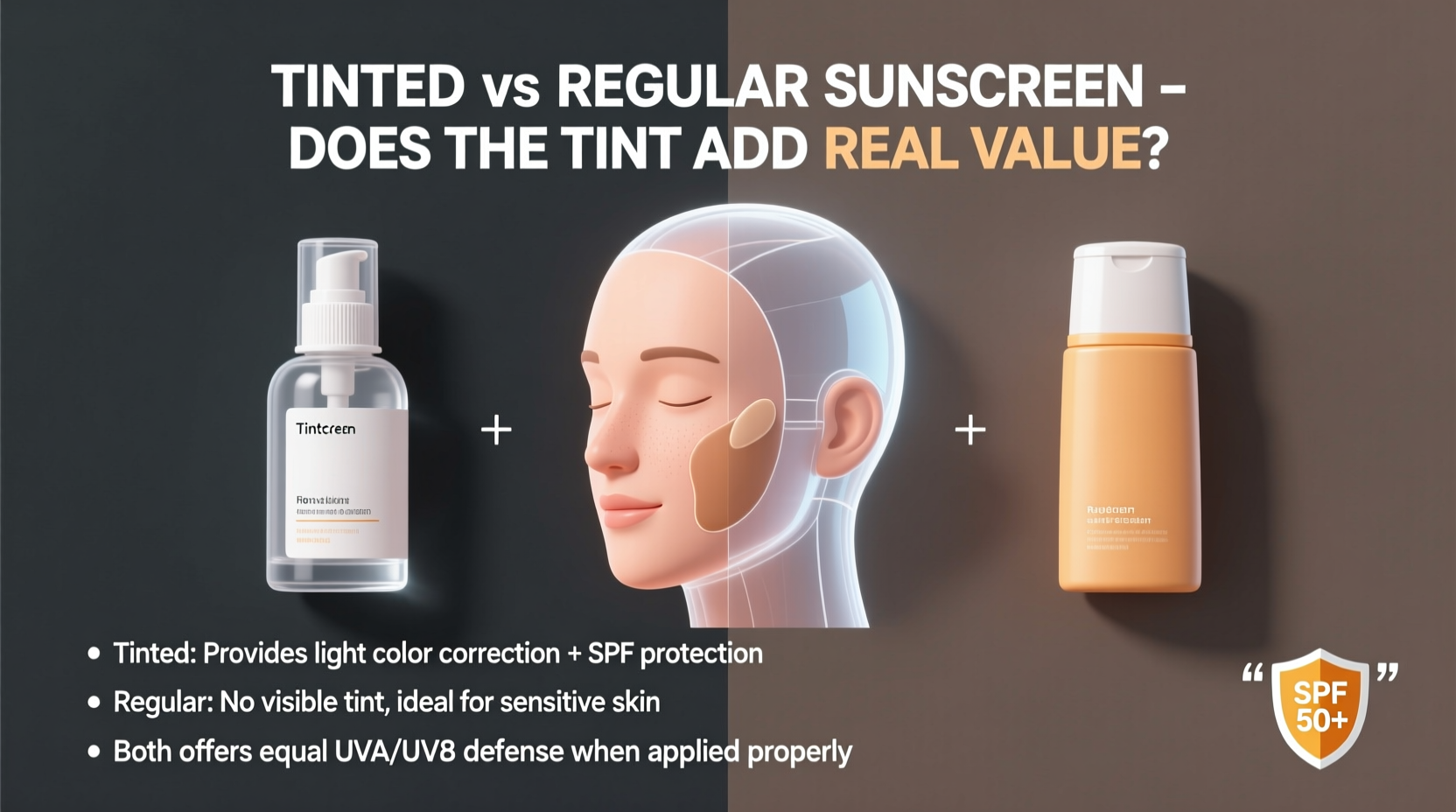
At its core, both tinted and regular sunscreen are designed to shield the skin from harmful ultraviolet (UV) radiation. The primary difference lies in formulation: tinted sunscreens contain iron oxides and pigments that give them a slight color, allowing them to blend into the skin and provide a sheer, makeup-like finish.
These added pigments serve more than aesthetic purposes. Iron oxides, commonly used in tinted formulations, have been shown to protect against visible light—a spectrum not fully blocked by standard chemical or mineral UV filters. This is particularly significant for individuals with hyperpigmentation, melasma, or darker skin tones, who may experience discoloration triggered by high-energy visible (HEV) light from screens and sunlight.
UV Protection: Are Tinted and Regular Sunscreens Equally Effective?
The effectiveness of any sunscreen hinges on its SPF rating, broad-spectrum coverage (UVA/UVB), and proper application—not whether it’s tinted. Both types can meet rigorous standards when formulated correctly. However, user behavior often influences real-world performance.
Tinted sunscreens may encourage more consistent use because they improve skin appearance instantly—blurring redness, evening tone, and reducing the need for foundation. This cosmetic benefit increases adherence, which in turn enhances overall photoprotection. A 2020 study published in the Journal of the American Academy of Dermatology found that participants were 37% more likely to apply sunscreen daily when it included a tint, citing improved morning routine efficiency.
On the flip side, some tinted sunscreens rely heavily on zinc oxide or titanium dioxide (mineral blockers), which can leave a white cast on deeper skin tones if not properly formulated. Modern tinted versions address this by blending pigments to match various complexions, making them more cosmetically elegant and inclusive.
“Tinted sunscreens bridge the gap between dermatology and dermatography—they protect the skin while respecting its appearance. For patients prone to melasma, I often recommend tinted mineral sunscreens specifically for their visible light protection.” — Dr. Lena Patel, Board-Certified Dermatologist
Key Benefits of Tinted Sunscreen: Beyond UV Protection
The value of tinted sunscreen extends beyond basic sun defense. Here are four scientifically supported advantages:
- Visible Light Protection: Iron oxides in tinted formulas absorb blue light and other high-energy wavelengths linked to oxidative stress and pigmentation disorders.
- Improved Cosmetic Acceptability: Blurs imperfections, reduces reliance on foundation, and integrates seamlessly into daily routines.
- Better Compliance: Users report higher satisfaction and consistency due to the immediate visual payoff.
- Reduced Need for Makeup: Offers light coverage while avoiding the potential pore-clogging effects of heavy cosmetics.
For people managing conditions like post-inflammatory hyperpigmentation (PIH) or melasma, these benefits are not incidental—they’re therapeutic. Visible light, especially from indoor lighting and digital devices, can worsen existing pigmentation even when UV exposure is minimal. In such cases, a tinted sunscreen isn’t just convenient; it's clinically relevant.
When Regular Sunscreen Might Be the Better Choice
Despite the advantages, tinted sunscreen isn’t ideal for everyone. There are specific scenarios where traditional, untinted formulas remain superior:
- Sensitive or Acne-Prone Skin: Some tinted versions contain oils or emollients to stabilize pigments, increasing the risk of clogged pores. Those with oily or acne-prone skin should look for non-comedogenic labels or stick to clear gel-based sunscreens.
- Hairline and Neck Application: Matching your skin tone perfectly is critical. An ill-fitting tint can create noticeable lines at the hairline or neck, especially under natural light.
- Reapplication Over Makeup: Applying a tinted product over the course of the day—say, after lunch—can build up unevenly unless carefully blended. Clear sprays or powders with SPF are often more practical for touch-ups.
- Cost and Accessibility: Tinted sunscreens typically cost more due to complex formulation and smaller production scales. Budget-conscious users may find reliable protection in affordable, fragrance-free, untinted options.
Moreover, many athletes, outdoor workers, or individuals engaging in high-sweat activities prefer lightweight, non-tinted gels or sprays that don’t stain clothing or feel heavy on the skin.
Comparative Overview: Tinted vs Regular Sunscreen
| Feature | Tinted Sunscreen | Regular Sunscreen |
|---|---|---|
| UV Protection | Equal (when SPF 30+ and broad-spectrum) | Equal |
| Visible Light Protection | Yes (due to iron oxides) | No |
| Cosmetic Finish | Sheer coverage, evens tone | Invisible or slight white cast |
| Skin Tone Matching Required | Yes | No |
| Best For | Daily wear, melasma, screen exposure | |
| Average Price Range | $25–$45 | $10–$30 |
Real-World Example: Managing Melasma with Tinted Sunscreen
Sophia, a 34-year-old graphic designer from Austin, Texas, struggled with persistent melasma for years. Despite wearing SPF 50 every day, her facial patches darkened during summer months and after long workdays in front of dual monitors. Her dermatologist recommended switching to a tinted mineral sunscreen containing 12% zinc oxide and iron oxides.
Within eight weeks of consistent use—applied every morning before screen time—Sophia noticed reduced darkening and greater stability in her pigmentation. She also appreciated skipping foundation, saving time and minimizing irritation from layered products. “It’s not just sunscreen,” she said. “It feels like armor against everything that aggravates my skin.”
This case illustrates how tinted sunscreen can be a functional upgrade for individuals exposed to cumulative environmental stressors beyond UV rays.
How to Choose the Right Option for Your Skin
Selecting between tinted and regular sunscreen should be based on individual needs, not trends. Follow this step-by-step guide to make an informed choice:
- Assess Your Skin Concerns: Do you deal with melasma, PIH, or redness? Tinted sunscreen may offer added protective benefits.
- Evaluate Your Daily Routine: Office work with screen exposure favors tinted options. Outdoor labor or gym-heavy schedules may benefit more from sweat-resistant, untinted formulas.
- Test the Shade Match: Apply a small amount along your jawline in natural light. It should disappear into your skin without ashy or orange tones.
- Check the Ingredients: Look for non-comedogenic, fragrance-free, and broad-spectrum labels. Mineral-based tints are generally gentler on sensitive skin.
- Consider Reapplication Needs: If you’ll need to reapply over makeup, keep a clear SPF mist or powder on hand—even if your morning product is tinted.
Frequently Asked Questions
Does tinted sunscreen last as long as regular sunscreen?
Yes, when applied correctly and reapplied every two hours during sun exposure. The tint does not affect the degradation rate of UV filters. However, because tinted sunscreens are often thicker, they may rub off less easily on clothing or hands, offering slightly better staying power in low-sweat conditions.
Can I use tinted sunscreen if I have oily skin?
Absolutely—but choose wisely. Look for oil-free, matte-finish formulas labeled “non-comedogenic.” Many modern tinted sunscreens use silica or clay derivatives to control shine without sacrificing protection.
Is tinted sunscreen necessary for dark skin tones?
While melanin provides some inherent UV protection, no skin tone is immune to photoaging or pigment disorders. Individuals with deeper complexions often benefit from tinted sunscreens because they eliminate the white cast associated with zinc oxide, improving compliance. Additionally, protection against visible light helps prevent dyschromia and uneven tone.
Actionable Checklist: Choosing & Using Tinted Sunscreen Wisely
✅ Use SPF 30 or higher with broad-spectrum UVA/UVB protection
✅ Confirm the formula includes iron oxides for visible light defense
✅ Test shade in natural light—avoid undertones that look gray or orange
✅ Apply generously: 1/4 teaspoon for the face
✅ Reapply every two hours during direct sun exposure
✅ Pair with hats and sunglasses for complete protection
✅ Store away from heat to preserve pigment stability
Conclusion: Does the Tint Add Real Value?
The short answer is yes—but conditionally. The tint in sunscreen is not merely cosmetic. When formulated with iron oxides and well-matched to skin tone, it offers measurable benefits: enhanced protection against visible light, improved daily adherence, and subtle coverage that streamlines routines. For individuals managing pigmentation issues or seeking a minimalist approach to daytime skincare, tinted sunscreen delivers real, science-backed value.
However, it’s not a one-size-fits-all solution. Those with very oily skin, active lifestyles, or limited budgets may still find excellent results with high-quality, untinted alternatives. The goal isn’t to follow trends but to build a sustainable, effective sun protection habit tailored to your life.




 浙公网安备
33010002000092号
浙公网安备
33010002000092号 浙B2-20120091-4
Comments
No comments yet. Why don't you start the discussion?