
Tomatoes are among the most rewarding vegetables to grow in a home garden, prized not only for their vibrant flavor but also for their versatility in the kitchen. Whether you're cultivating cherry tomatoes for salads or beefsteaks for sandwiches, homegrown specimens consistently outperform store-bought ones in taste, texture, and nutritional value. Yet despite their popularity, many gardeners struggle with issues like poor fruiting, disease, or cracked fruits. Success lies not in luck, but in understanding the plant’s biological needs and aligning your practices with its natural growth cycle. With the right approach—focusing on variety selection, soil quality, sunlight, and consistent care—anyone with access to a sunny windowsill, balcony, or backyard can enjoy a thriving tomato harvest.
Definition & Overview
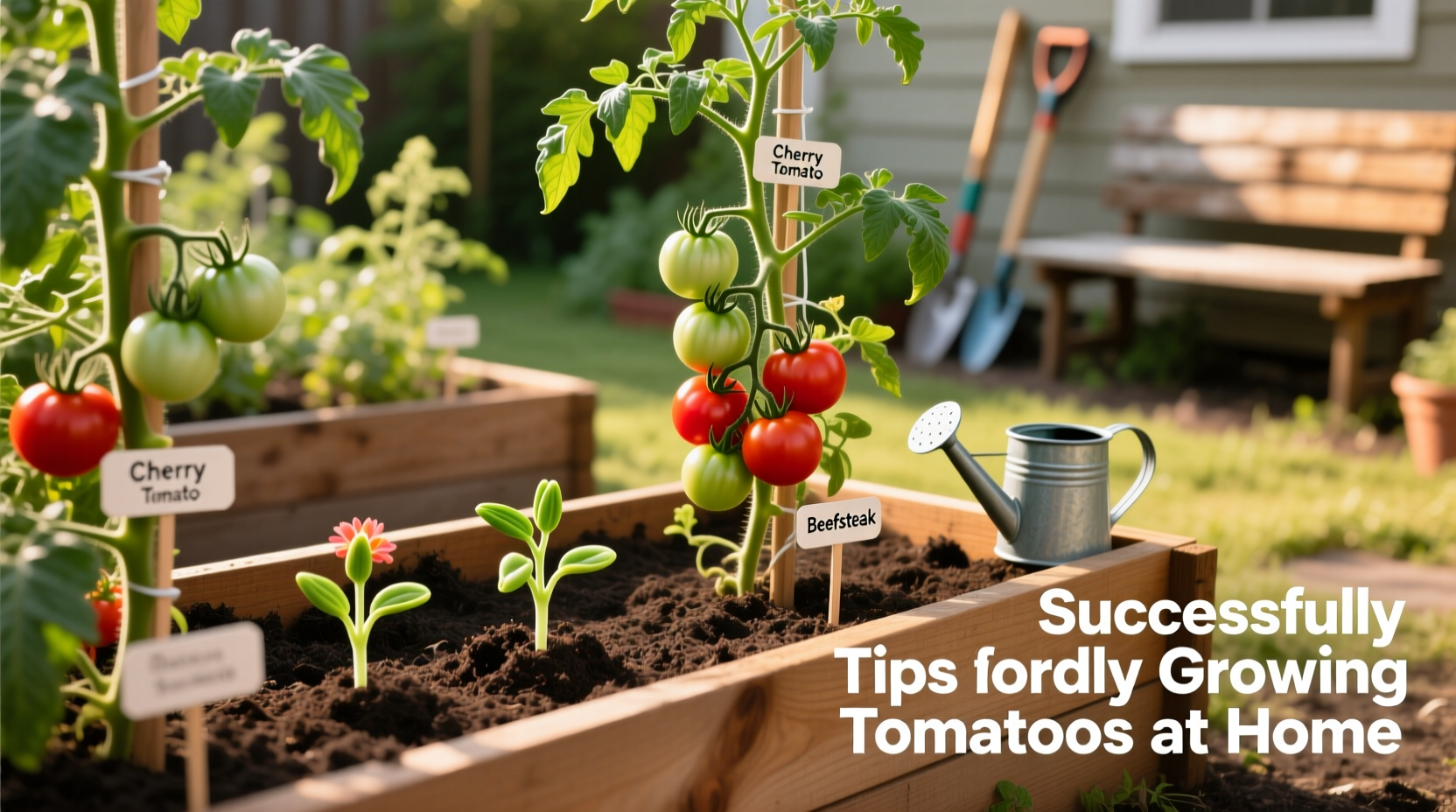
The tomato (Solanum lycopersicum) is a flowering plant native to western South America, originally domesticated by indigenous peoples in what is now Peru and Ecuador. Though botanically classified as a fruit, it functions as a vegetable in culinary contexts. Tomatoes come in hundreds of varieties, ranging from tiny currant types to large heirloom cultivars, each offering unique textures, colors, and flavor profiles. They belong to the nightshade family, which includes peppers, eggplants, and potatoes, and thrive in warm, temperate climates with long growing seasons.
Growing tomatoes at home allows full control over cultivation methods, enabling organic practices, reduced pesticide exposure, and harvesting at peak ripeness. Unlike commercial tomatoes, which are often picked green and gassed to ripen, homegrown versions develop sugars and volatile compounds fully, resulting in deeper, more complex flavors. This guide provides comprehensive, science-backed strategies to cultivate healthy, productive tomato plants regardless of space constraints or experience level.
Key Characteristics of Tomato Plants
- Flavor profile: Ranges from sweet and tangy (cherry tomatoes) to rich and earthy (heirlooms), influenced by variety, ripeness, and growing conditions.
- Aroma: Distinctive vegetal-sweet scent due to volatile compounds like hexanal and cis-3-hexenal, intensified when warmed by sun.
- Color and form: Available in red, yellow, orange, purple, green, and striped; shapes vary from round to pear-shaped to ribbed.
- Growth habit: Two primary types—determinate (bush-type, compact, one main harvest) and indeterminate (vining, continuous production until frost).
- Heat requirement: Warm-season crop; germinates best at 70–80°F (21–27°C); requires 65–85°F (18–29°C) for fruit set.
- Culinary function: Base ingredient in sauces, salsas, soups; excellent raw in salads, sandwiches, and bruschetta.
- Shelf life: Varies by type—cherry tomatoes last 4–7 days at room temperature; larger slicing types up to 10 days if stored stem-side down away from direct light.
Practical Usage: How to Grow Tomatoes Successfully
Successful tomato cultivation begins long before planting. It hinges on preparation, consistency, and observation. The following steps outline a proven framework used by horticulturists and experienced home growers alike.
1. Choose the Right Variety for Your Space and Climate
Selecting an appropriate cultivar is the foundation of success. Consider these factors:
- Indoor vs. outdoor: Dwarf or patio varieties like ‘Tiny Tim’ or ‘Balcony Cherry’ work well in containers indoors or on small balconies.
- Climate length: Short-season gardeners should opt for early-maturing types such as ‘Stupice’ or ‘Siberian’. Long-season regions can grow slower-developing heirlooms like ‘Brandywine’.
- Disease resistance: Look for labels indicating resistance to common pathogens (e.g., VFN = Verticillium wilt, Fusarium wilt, Nematodes).
- Purpose: Sauce lovers benefit from paste tomatoes like ‘San Marzano’; fresh eating favors juicy slicers or sweet cherries.
2. Start Seeds Early — But Not Too Early
Begin seeds indoors 6–8 weeks before your region’s last expected frost date. Use sterile seed-starting mix to prevent damping-off disease. Plant two seeds per cell, ¼ inch deep, and keep trays in a warm location (70°F+). Once seedlings emerge, provide strong light—ideally under fluorescent grow lights placed 2–4 inches above foliage—to prevent legginess. Thin to one plant per cell after true leaves appear.
Pro tip: Gently brush your hand over seedlings daily or use a small fan to simulate wind. This strengthens stems through thigmomorphogenesis—a natural response that reduces lodging later in the season.
3. Harden Off Seedlings Gradually
Sudden exposure to outdoor conditions shocks tender plants. Begin hardening off 7–10 days before transplanting by placing seedlings outside in a sheltered spot for 1–2 hours daily, gradually increasing time and sun exposure. By day seven, they should tolerate full sun and mild wind. This process triggers physiological changes that improve resilience.
4. Prepare the Soil for Optimal Growth
Tomatoes demand fertile, well-drained soil rich in organic matter. Ideal pH ranges from 6.2 to 6.8. Amend garden beds with 3–4 inches of compost or aged manure before planting. Avoid fresh manure, which can burn roots and promote disease. If growing in containers, use high-quality potting mix—not garden soil—which ensures proper drainage and aeration.
For in-ground gardens, raised beds offer superior temperature regulation and drainage. In containers, choose pots at least 5 gallons in volume for determinate types and 10+ gallons for indeterminates. Smaller pots dry out too quickly and restrict root development.
5. Transplant Deeply to Encourage Strong Roots
Unlike most plants, tomatoes benefit from deep planting. When transplanting, remove the lower leaves and bury up to two-thirds of the stem. Underground nodes will develop into additional roots, creating a robust root system capable of supporting heavy vines and fruit loads.
Space plants appropriately: 24–36 inches apart for determinate types, 36–48 inches for indeterminate. Overcrowding reduces airflow and increases fungal disease risk.
6. Provide Consistent Watering and Mulching
Inconsistent moisture leads to blossom end rot and fruit cracking. Tomatoes require 1–2 inches of water per week, applied deeply at the base to avoid wetting foliage. Drip irrigation or soaker hoses are ideal. Morning watering minimizes evaporation and allows leaves to dry before nightfall.
Mulch immediately after planting with straw, shredded leaves, or black plastic. Mulch conserves moisture, suppresses weeds, and prevents soil-borne diseases from splashing onto leaves during rain.
Watering rule of thumb: Check soil moisture by inserting your finger 2 inches deep. If dry, water thoroughly. If cool and damp, wait another day.
7. Support Plants Early
Install stakes, cages, or trellises at planting time to avoid damaging roots later. Indeterminate varieties need vertical support—use sturdy wooden or metal stakes driven at least 12 inches into the ground. Tie stems loosely every 8–12 inches with soft twine or cloth strips. Alternatively, employ the Florida weave method between multiple plants using twine and T-posts.
Determinate types may require lighter caging, especially when loaded with fruit. Without support, sprawling plants invite pests, rot, and harvesting difficulties.
8. Fertilize Strategically
Over-fertilization promotes leafy growth at the expense of fruit. At planting, incorporate a balanced organic fertilizer (e.g., 5-5-5) or add bone meal for phosphorus. After first flowers appear, switch to a low-nitrogen, high-phosphorus formula (e.g., 3-8-5) to encourage flowering and fruiting.
Liquid seaweed or fish emulsion applied monthly provides micronutrients and boosts plant vitality. Avoid high-nitrogen lawn fertilizers, which can delay fruiting and increase susceptibility to blight.
Variants & Types of Tomatoes
Understanding tomato types helps match plants to your goals and space. Below is a breakdown of major categories:
| Type | Growth Habit | Ideal For | Examples |
|---|---|---|---|
| Cherry | Indeterminate | Snacking, salads, roasting | 'Sun Gold', 'Black Cherry' |
| Plum/Paste | Determinate | Sauces, canning, drying | 'Roma', 'San Marzano' |
| Slicing/Beefsteak | Indeterminate | Burgers, sandwiches, caprese | 'Mortgage Lifter', 'Big Boy' |
| Heirloom | Mostly indeterminate | Flavor-focused gardening | 'Brandywine', 'Cherokee Purple' |
| Dwarf | Determinate-like | Containers, small spaces | 'Patio Princess', 'Tiny Tim' |
Each category offers trade-offs. Heirlooms boast exceptional flavor but are more prone to disease. Hybrids like ‘Celebrity’ combine vigor, yield, and resistance. Cherry types produce continuously and are highly productive even in limited light.
Comparison with Similar Nightshades
Tomatoes are often confused with other nightshade crops, particularly peppers and eggplants. While related, their cultural requirements differ significantly.
| Feature | Tomato | Pepper | Eggplant |
|---|---|---|---|
| Germination Time | 5–10 days | 14–21 days | 10–14 days |
| Fruit Set Temperature | 65–85°F | 70–85°F | 75–85°F |
| Water Needs | High, consistent | Moderate | High |
| Support Required | Yes (most) | Rarely | Sometimes |
| Common Diseases | Blight, fusarium | Bacterial spot | Verticillium wilt |
\"The key difference isn’t just in appearance—it’s in timing and tolerance. Tomatoes are less heat-tolerant than peppers during pollination and far more sensitive to cold snaps.\" — Dr. Linda Chalker-Scott, Urban Horticulturist, Washington State University Extension
Practical Tips & FAQs
Why are my tomato plants flowering but not setting fruit?
Several factors inhibit fruit set: nighttime temperatures below 55°F or above 75°F disrupt pollen viability; excessive nitrogen promotes foliage over flowers; lack of pollinator activity in enclosed spaces. Gently shake flowering branches to release pollen, or use a small brush to transfer it manually.
What causes blossom end rot, and how do I prevent it?
Blossom end rot appears as a dark, sunken lesion on the bottom of the fruit. It results from calcium deficiency—often not due to lack of calcium in soil, but from inconsistent watering impairing uptake. Maintain even soil moisture and ensure pH is within optimal range (6.2–6.8) for nutrient availability.
Can I grow tomatoes in containers?
Yes—many modern varieties are bred specifically for pots. Use containers of adequate size (minimum 5 gallons), ensure good drainage, and water daily in hot weather. Container-grown plants may require more frequent feeding due to nutrient leaching.
When should I prune tomato plants?
Pruning benefits indeterminate types grown vertically. Remove suckers (shoots emerging at leaf axils) when small to direct energy into fruit production. Never prune determinate varieties—they naturally stop growing and removing suckers reduces yield.
How do I deal with common pests organically?
- Hornworms: Hand-pick or apply *Bacillus thuringiensis* (Bt).
- Aphids: Blast off with water or introduce ladybugs.
- Whiteflies: Use yellow sticky traps or insecticidal soap.
- Slugs: Place copper tape around containers or use beer traps.
When and how should I harvest tomatoes?
Pick when fruits are uniformly colored and slightly soft to gentle pressure. Vine-ripened tomatoes have the best flavor. If frost threatens, harvest mature green tomatoes and ripen indoors at room temperature—some develop full flavor off-vine. Avoid refrigerating ripe tomatoes; cold destroys texture and aromatic compounds.
Harvest hack: Twist fruit upward rather than pulling downward to avoid breaking stems. Harvest in the morning when sugar content is highest.
Summary & Key Takeaways
Growing tomatoes at home is both accessible and deeply satisfying, provided you follow core principles rooted in plant biology and environmental management. Start with variety selection tailored to your climate and space. Invest time in proper seed starting, hardening, and transplanting techniques. Prioritize deep planting, consistent watering, and structural support. Feed strategically—avoid excess nitrogen—and monitor for pests and diseases proactively.
Remember: great tomatoes aren’t grown overnight. They result from daily attention, informed decisions, and respect for the plant’s natural rhythms. Whether you’re harvesting pint-sized cherry clusters or oversized heirloom slices, each fruit represents months of careful stewardship.
By applying these evidence-based practices, you’ll not only increase yield and reduce losses—you’ll elevate the quality of food on your table. There’s no substitute for the taste of a sun-warmed tomato picked fresh from your own vine.
Ready to start? Mark your calendar with your local last frost date, order seeds now, and prepare your soil. Your future harvest begins today.




 浙公网安备
33010002000092号
浙公网安备
33010002000092号 浙B2-20120091-4
Comments
No comments yet. Why don't you start the discussion?