
Choosing between a top-loading and front-loading washing machine is more than a matter of convenience or design—it’s about performance, hygiene, and long-term reliability. While both types have loyal users, the real question isn’t just which one gets clothes cleaner, but which one does so while minimizing the risk of mold, mildew, and lingering odors. With millions of households facing musty-smelling laundry, this decision has real consequences for health, fabric longevity, and daily comfort.
This article breaks down the core differences in cleaning efficiency, moisture retention, energy use, and mold resistance. We’ll examine real-world scenarios, expert insights, and practical maintenance steps to help you make an informed choice—whether you’re upgrading your current model or buying your first washer.
Cleaning Performance: How Each Machine Handles Stains and Soils
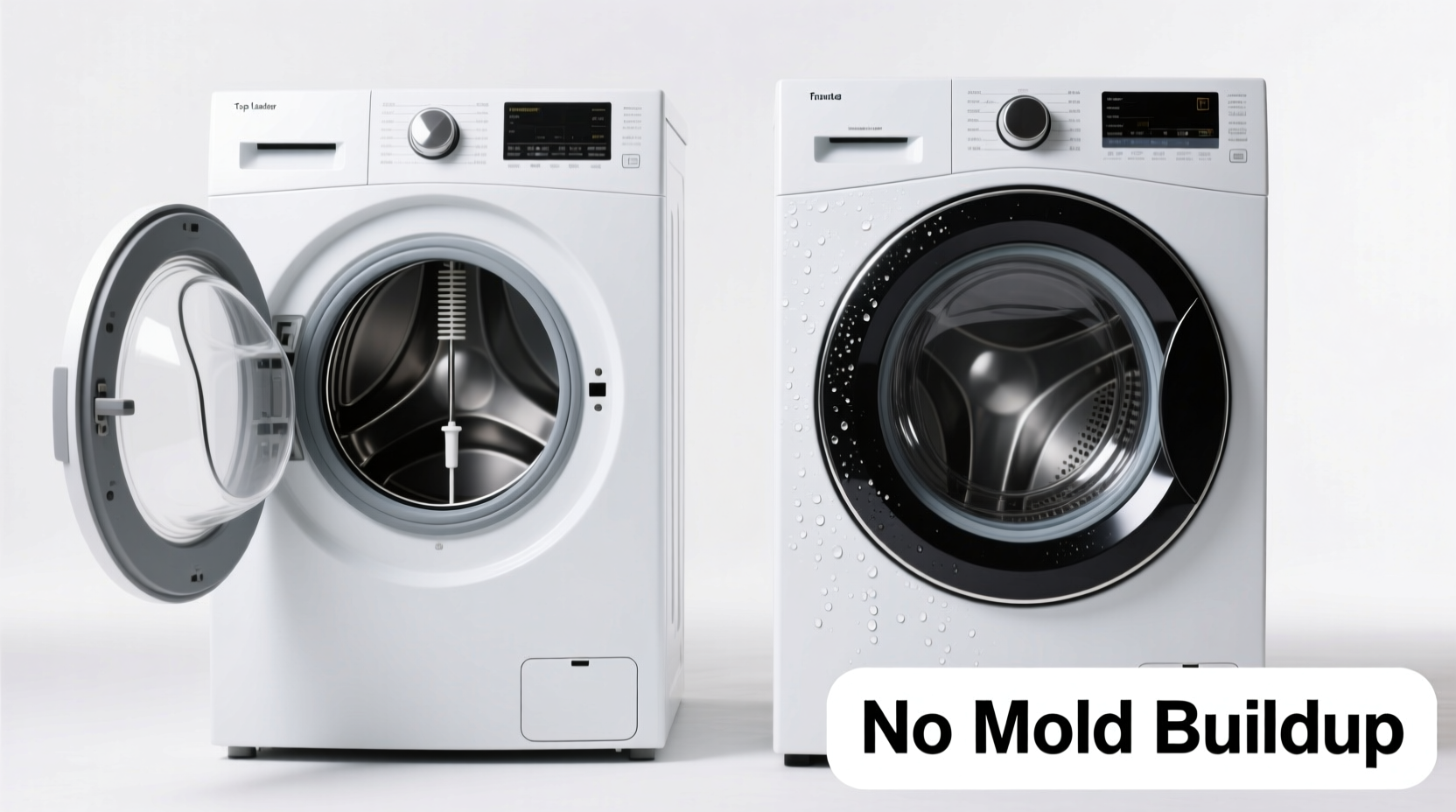
The fundamental difference in cleaning action stems from how each washer agitates clothing. Top-loading machines typically use a central agitator that twists and pulls clothes through water, while front-loaders rely on a tumbling motion as the drum rotates horizontally.
Front-loading washers generally outperform top-loaders in stain removal and overall cleaning efficiency. The tumbling action allows clothes to be lifted and dropped repeatedly into water and detergent, providing consistent mechanical action without excessive fabric stress. Because they use less water, detergent concentration remains higher, improving chemical cleaning power. In independent tests conducted by Consumer Reports, front-loaders consistently removed more stains across fabric types and soil levels.
Top-loaders with impellers (a low-profile cone instead of a central agitator) come closer in performance, especially with bulky items like towels and jeans. However, traditional agitator models can be harsh on delicate fabrics and may leave behind residue if detergent isn’t fully dissolved.
Mold and Mildew: Why Front-Loaders Are More Prone—but Not Doomed
One of the most common complaints about front-loading washers is the development of mold and mildew around the rubber door gasket and inside the drum. This issue arises due to several design factors:
- Sealed door system: The watertight rubber seal traps moisture after cycles, creating a dark, damp environment ideal for microbial growth.
- Lower water usage: While efficient, less water means residual detergent and lint aren’t always rinsed away completely.
- Horizontal drum orientation: Water pools at the bottom when the machine is idle, especially if the door is closed immediately after use.
Top-loading machines, particularly those with a lid that opens vertically, are far less susceptible to mold. Since the tub is open to air during and after use, moisture evaporates naturally. There’s no rubber seal to trap grime, and gravity helps drain water more completely.
“Front-loaders deliver superior cleaning, but their design demands more proactive maintenance. Neglecting the gasket or leaving wet clothes inside invites mold.” — Dr. Lena Patel, Appliance Hygiene Researcher, National Home Efficiency Lab
Comparison Table: Key Features Side-by-Side
| Feature | Top-Loading Washer | Front-Loading Washer |
|---|---|---|
| Cleaning Efficiency | Good (better with impeller models) | Excellent – superior stain removal |
| Mold Risk | Low – open tub dries naturally | High – requires regular maintenance |
| Water Usage | Higher – uses 30–40 gallons per load | Lower – averages 15–20 gallons |
| Energy Efficiency | Moderate | High – uses less water and heat |
| Ease of Access | Easier – no bending required | Requires bending; door swings forward |
| Cycle Time | Faster – average 30–45 minutes | Longer – often 60–90 minutes |
Real-World Example: A Family’s Switch to Front-Load—and Back Again
The Thompson family of four upgraded to a front-loading washer five years ago, drawn by promises of better cleaning and lower utility bills. Initially thrilled, they noticed a faint musty smell after six months. Assuming it was detergent buildup, they ran cleaning cycles monthly. But within a year, black specks appeared on light-colored clothes.
Upon inspection, thick mold had formed under the rubber gasket and in the outer drum seal. Despite following manufacturer guidelines, the combination of soft water (which doesn’t rinse detergent well), frequent cold-water cycles, and closing the door immediately after use created perfect conditions for microbial growth.
They eventually switched back to a high-efficiency top-loader with an impeller. Though slightly less water-efficient, it eliminated odors entirely. “We didn’t realize how much time we were spending cleaning the machine instead of using it,” said Mark Thompson. “Now our clothes come out fresh, and we don’t worry about mold.”
Maintenance Checklist: Preventing Mold in Any Washer
No machine is immune to problems without proper care. Use this checklist weekly and monthly to keep your washer clean and odor-free—regardless of type.
- Leave the door/lid open after every use: Allow airflow to dry the drum and gasket (especially critical for front-loaders).
- Wipe the rubber seal (front-loaders): Use a dry or slightly damp cloth weekly to remove moisture and debris from the gasket folds.
- Run a cleaning cycle monthly: Use hot water and either white vinegar, bleach, or a dedicated washer cleaner.
- Use HE detergent only: Regular detergents create excess suds that don’t rinse away, feeding mold and bacteria.
- Don’t overload the machine: Crowded loads reduce cleaning effectiveness and trap moisture.
- Clean the detergent drawer: Remove and rinse it monthly to prevent sludge buildup.
- Inspect and clean the drain pump filter: Especially important for front-loaders prone to clogs.
Step-by-Step Guide: Deep Cleaning Your Front-Loader Monthly
To maintain peak performance and prevent mold, follow this routine:
- Remove visible debris: Wipe the door gasket, glass, and detergent dispenser with a microfiber cloth.
- Check the drain filter: Place a towel beneath the access panel (usually front-bottom). Open slowly to catch residual water. Remove lint and foreign objects.
- Run a hot wash cycle: Set to the highest temperature (Sanitize or Clean Tub mode if available). Add 1 cup of bleach or a commercial washer cleaner.
- Pause mid-cycle: Let the drum soak for 30–60 minutes to loosen biofilm and residues.
- Wipe again after completion: Dry the gasket thoroughly and leave the door ajar.
For top-loaders, skip the gasket wipe but still run a monthly hot water + vinegar cycle to clear buildup in the basin and agitator.
Which Is Better Overall? A Balanced Verdict
If cleaning power alone were the deciding factor, front-loading washers would win decisively. They remove more stains, use less water and energy, and are gentler on fabrics over time. However, their susceptibility to mold—especially in humid climates or homes with poor ventilation—can outweigh these benefits unless owners commit to rigorous maintenance.
Top-loading machines, particularly modern high-efficiency (HE) models without agitators, have closed the performance gap significantly. They clean effectively, resist mold naturally, offer faster cycles, and are easier to load. Their main drawbacks are higher water consumption and slightly less effective stain removal on greasy or set-in soils.
Ultimately, the best choice depends on your lifestyle:
- Choose a front-loader if: You prioritize cleaning performance, energy savings, and have the time and discipline to maintain it properly.
- Choose a top-loader if: You want low-maintenance operation, faster wash times, and live in a humid environment where mold is a concern.
Frequently Asked Questions
Can I eliminate mold in a front-loading washer permanently?
Yes—with consistent care. Regular cleaning, leaving the door open, using HE detergent, and avoiding fabric softener buildup can prevent mold indefinitely. However, neglect even for a few weeks can restart the cycle.
Do all front-load washers develop mold?
No, not all do. Many newer models include features like anti-mold coatings, self-cleaning dispensers, and automatic door-open reminders. Brands like LG, Samsung, and Miele have improved gasket designs to reduce trapping moisture.
Is there a hybrid option that combines the best of both?
Some manufacturers offer “side-by-side” units with a front-load washer and top-load dryer, but true hybrids don’t exist. However, high-efficiency top-loaders with impellers offer a middle ground—strong cleaning with minimal mold risk.
Conclusion: Make the Choice That Fits Your Life
The debate between top-loading and front-loading washers isn’t about declaring a universal winner—it’s about matching machine strengths to your household’s needs. Front-loaders clean better, but demand attention. Top-loaders are forgiving and hygienic, though slightly less efficient.
If you value pristine results and are willing to invest 5–10 minutes a week on maintenance, a front-loader can serve you well. But if you’d rather spend less time managing your appliance and more time enjoying fresh, truly clean laundry, a modern top-loading HE washer might be the smarter, healthier choice.




 浙公网安备
33010002000092号
浙公网安备
33010002000092号 浙B2-20120091-4
Comments
No comments yet. Why don't you start the discussion?