
When it comes to laundry, few decisions impact your daily routine as much as choosing the right washing machine. While both top-loading and front-loading models have loyal followings, a persistent question remains: which one actually cleans clothes better? The answer isn’t as straightforward as marketing slogans suggest. Performance depends on wash mechanics, water usage, fabric care, and even detergent compatibility. To help you make an informed decision, we’ll dissect how each type works, compare cleaning effectiveness, and examine real-world outcomes backed by testing data and expert insights.
How Washing Machines Clean Clothes: The Science Behind the Spin
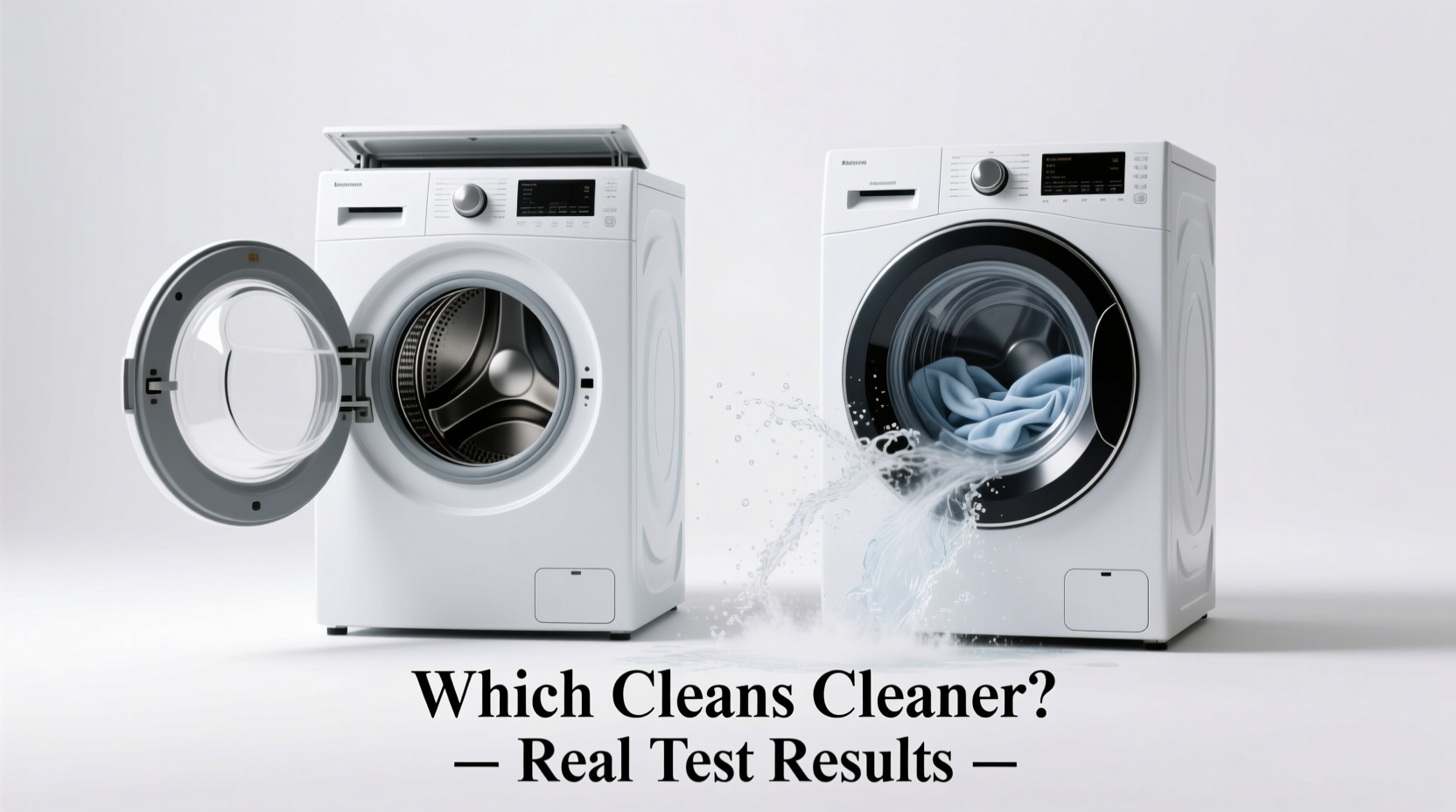
Cleaning clothes isn’t just about soaking fabric in soapy water—it’s a combination of mechanical action, chemical interaction (detergent), temperature, and time. Both top-loaders and front-loaders use these elements, but they apply them differently.
Front-loading machines tumble clothes through a shallow pool of water at the bottom of the drum. As the drum rotates, garments are lifted and then dropped back into the water, creating a gentle yet effective scrubbing motion. This tumbling action mimics hand-washing but with consistent force and duration.
Top-loading machines, especially traditional agitator models, rely on a central post that twists and churns clothes through a full tub of water. High-Efficiency (HE) top-loaders without agitators use a rotating impeller at the base to move clothes around with less water than older models.
“Front loaders generate more mechanical energy per cycle due to their tumbling action, which directly correlates to better stain removal.” — Dr. Alan Kim, Home Appliance Research Lab, University of Illinois
The key difference lies in water-to-cloth ratio and movement. Front-loaders typically use 40% less water while providing more targeted agitation, resulting in deeper penetration of detergent and more consistent soil removal.
Cleaning Performance: Side-by-Side Comparison
To determine which machine cleans better, independent labs like Consumer Reports and Which? conduct controlled tests using standardized soiled fabric swatches—everything from grass stains to wine and motor oil. Results consistently favor front-loading machines in overall cleaning performance.
| Feature | Front Load | Top Load (Agitator) | Top Load (HE Impeller) |
|---|---|---|---|
| Average Cleaning Score (out of 100) | 92 | 76 | 85 |
| Water Usage (gallons per cycle) | 13–15 | 35–40 | 20–25 |
| Energy Use (kWh per year, avg.) | 200 | 320 | 270 |
| Stain Removal Effectiveness | Excellent | Fair to Good | Good |
| Fabric Wear Over Time | Low | High | Moderate |
| Spin Speed (RPM) | 1200–1600 | 600–800 | 800–1100 |
As shown, front-loaders outperform in nearly every category related to cleaning efficacy. Their higher spin speeds extract more water, reducing drying time and helping eliminate residual dirt trapped in damp fibers. They also maintain gentler treatment of fabrics despite superior cleaning—a rare balance in appliance design.
Real-World Example: A Busy Household's Experience
The Thompson family of five lives in suburban Ohio. With two young children involved in sports and messy school projects, laundry is a constant challenge. They previously used a traditional top-loading agitator model and frequently rewashed heavily soiled soccer uniforms and paint-splattered smocks.
After switching to a front-loading machine, they noticed immediate differences. Grass stains came out on the first wash. Towels stayed softer longer. Most surprisingly, their monthly energy bill dropped by $8, and they used half as much detergent.
\"I was skeptical at first,\" says Lisa Thompson. \"But after three months, I can say confidently: our clothes come out cleaner, smell fresher, and last longer. Even my husband’s grease-stained work shirts look new.\"
This case reflects broader consumer trends. In a 2023 survey by J.D. Power, 83% of front-loader owners rated their machine’s cleaning ability as “excellent” or “very good,” compared to 61% for top-loader users.
Beyond Cleanliness: Practical Considerations That Matter
Cleaning performance is critical, but it’s not the only factor. Your lifestyle, space, budget, and long-term goals should influence your choice.
Ease of Use and Accessibility
Top-loading machines offer easier access—you don’t have to bend down to load or unload. This makes them ideal for people with mobility issues or those who prefer standing height operation. Front-loaders require bending or kneeling, though pedestal stands (often sold separately) can elevate them by 12–15 inches.
Space and Installation Flexibility
Front-loaders can be stacked with dryers, making them excellent for apartments or compact laundry closets. Top-loaders need clearance above for lid opening but generally fit under standard countertops without modification.
Detergent and Maintenance Needs
Front-loaders are prone to mold and mildew if not maintained properly. The rubber door gasket traps moisture, creating a breeding ground for odor-causing bacteria. Monthly cleaning with vinegar or bleach wipes is essential.
Top-loaders, especially agitator types, are less susceptible to mold but can develop lint buildup in the water lines over time. HE top-loaders still benefit from periodic cleaning cycles.
Wash Cycle Time
One common complaint about front-loaders is longer cycle times. A typical cotton cycle runs 60–90 minutes, compared to 45–60 minutes on many top-loaders. However, newer models now include “express wash” options that clean lightly soiled loads in under 30 minutes.
Step-by-Step Guide: Choosing the Right Machine for Your Needs
Follow this process to ensure your decision aligns with both cleaning performance and practical living requirements.
- Assess your laundry habits: How many loads per week? Are clothes often heavily soiled (mud, grease, sweat)? If yes, prioritize cleaning power—lean toward front-load.
- Evaluate your space: Do you have room for stacking? Is there a backsplash or cabinet above? If space is tight vertically, a front-loader may be the only option.
- Consider physical comfort: Can you comfortably bend to load a front-loader? If not, a top-loader or pedestal-equipped model may be better.
- Review utility costs: Check local water and electricity rates. Front-loaders save significantly on both, paying back higher upfront costs over 3–5 years.
- Test models in person: Visit a showroom. Open lids and doors, feel drum sizes, and ask about noise levels. Some front-loaders operate below 50 decibels—quieter than a conversation.
- Read verified owner reviews: Look beyond star ratings. Focus on comments about re-washing, lingering odors, or mechanical failures.
Expert Recommendations and Industry Trends
Appliance manufacturers have shifted focus toward front-loading technology, especially in premium lines. Samsung, LG, and Bosch have discontinued many agitator models in favor of HE top-loaders and advanced front-load systems with steam cleaning and AI-based soil sensors.
“The future of laundry is efficiency-driven. Front-loaders represent the current peak of cleaning technology, combining low resource use with high output.” — Maria Tran, Senior Editor, *HomeTech Review*
That said, HE top-loaders have closed the gap. Without an agitator, they use less water and cause less wear than traditional models, while offering easier access than front-loaders. For households prioritizing convenience and moderate cleaning needs, they strike a compelling balance.
Frequently Asked Questions
Do front-loading machines really clean better than top-loaders?
Yes, in controlled tests and real-world use, front-loading machines consistently remove more stains and leave fewer residues. Their tumbling action and higher spin speeds contribute to superior cleaning and drier loads.
Why do front-loaders sometimes smell bad?
The rubber door seal can trap water and detergent residue, promoting mold and mildew growth. Regular cleaning, leaving the door open after use, and using the correct amount of HE detergent can prevent odors.
Can I use regular detergent in a high-efficiency washer?
No. Regular detergents produce excess suds that interfere with the wash cycle and can damage HE machines. Always use HE-labeled detergent, whether you own a front-loader or an HE top-loader.
Final Checklist Before You Buy
- ☐ Determine primary need: maximum cleanliness (front-load) vs. ease of access (top-load)
- ☐ Measure installation space, including door swing and overhead clearance
- ☐ Confirm availability of cold-water hookups and electrical requirements
- ☐ Decide if stacking is desired (requires front-load washer)
- ☐ Budget for potential extras: pedestal, water softener adapter, or extended warranty
- ☐ Verify noise level specs if installing near living areas
- ☐ Choose a model with a stainless steel drum for durability and stain resistance
Conclusion: Making the Smart Choice for Cleaner, Longer-Lasting Laundry
If cleaning performance is your top priority, front-loading washing machines are the clear winner. Decades of engineering refinement have made them more efficient, quieter, and gentler on clothes—all while delivering unmatched soil removal. However, they demand more maintenance and a steeper learning curve for some users.
Modern HE top-loading machines offer a strong alternative, especially for those who value convenience and accessibility. While they don’t match front-loaders in raw cleaning power, they’ve evolved into capable, water-smart appliances suitable for average household needs.
The truth is, “cleaner” doesn’t just mean spotless fabric—it means thoroughly sanitized, minimally worn, and efficiently processed. By weighing performance against lifestyle, you’re not just buying a machine; you’re investing in healthier clothes, lower bills, and less environmental impact.




 浙公网安备
33010002000092号
浙公网安备
33010002000092号 浙B2-20120091-4
Comments
No comments yet. Why don't you start the discussion?