
Every day brings a new set of tasks—grocery runs, coffee stops, pharmacy visits, post office trips, or school pickups. What you carry matters as much as where you’re going. The right bag supports your routine without weighing you down. Two of the most popular choices for daily errands are tote bags and crossbody bags, each with loyal followings. But when it comes to balancing practicality and style, how do they really stack up?
The answer isn’t one-size-fits-all. Your ideal bag depends on your lifestyle, body type, typical load, and personal taste. This guide breaks down the strengths and limitations of both options, using real-world insights, expert opinions, and practical comparisons to help you make an informed decision.
Capacity and Functionality: How Much Can You Carry?
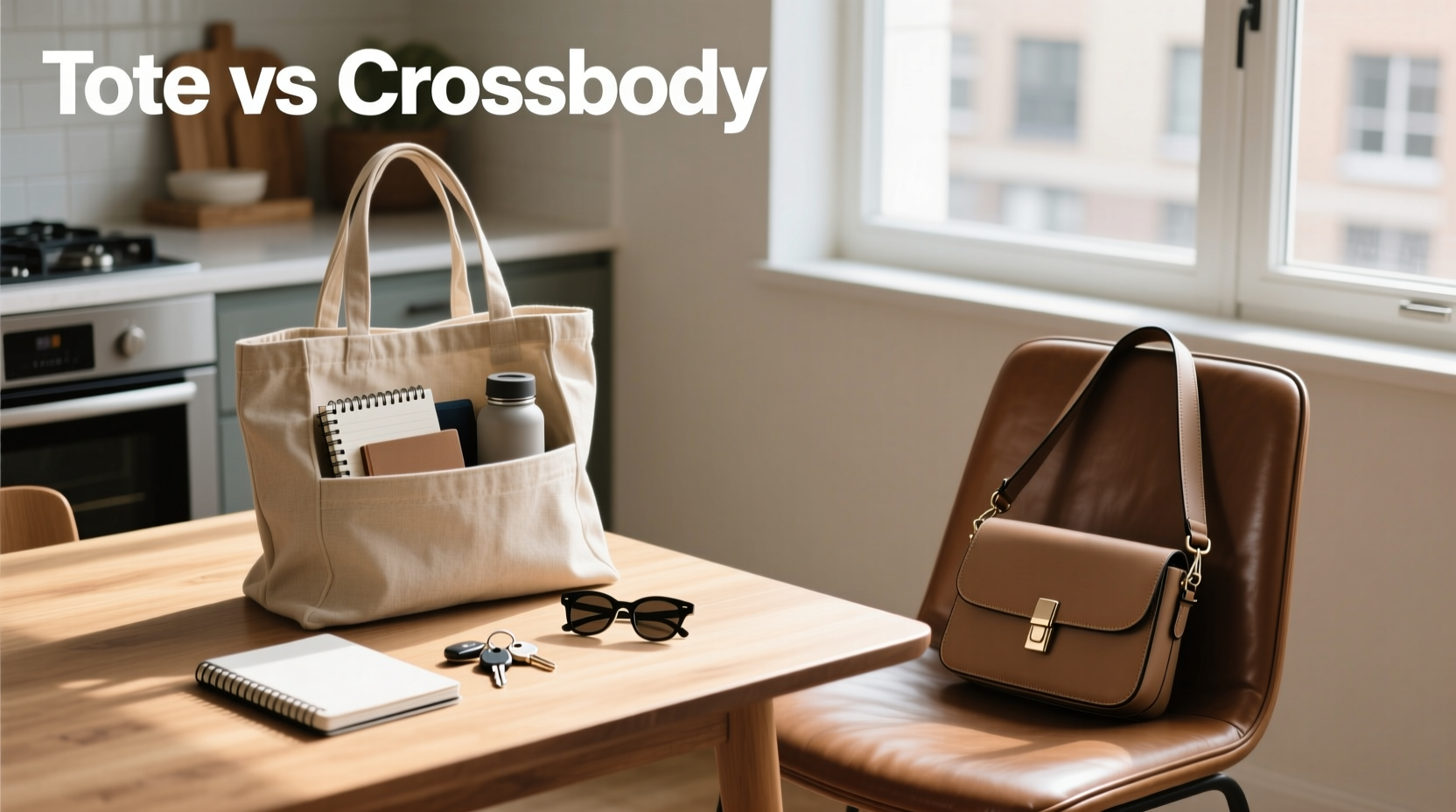
When running errands, capacity is often non-negotiable. You might need space for a reusable grocery bag, wallet, phone, water bottle, snacks, keys, sunglasses, and even a light sweater. Here’s where the tote bag typically shines.
Tote bags are designed with open-top silhouettes and wide bases, offering generous volume. Many can comfortably hold 10–15 liters, making them ideal for bulkier loads. Structured leather totes or canvas shoppers maintain shape even when full, while unstructured versions collapse gracefully when empty—easy to stash in a coat pocket or glove compartment.
In contrast, crossbody bags prioritize compactness. Most range from 3 to 7 liters, limiting what you can carry. While some models feature multiple compartments, their small footprint means you’ll likely need to pare down essentials. A slim wallet, phone, lip balm, and keys fit easily, but adding a water bottle or umbrella becomes a challenge.
Comfort and Wearability: Hands-Free vs Shoulder Strain
While totes offer space, they place all weight on one shoulder. Over time, especially when loaded, this can lead to muscle fatigue, posture issues, or shoulder discomfort. The lack of padding on many tote straps exacerbates the problem. Designers have responded with wider straps and reinforced stitching, but physics remains a factor: uneven weight distribution takes a toll.
Crossbody bags solve this with balanced, hands-free wear. By distributing weight across the torso, they reduce strain and allow greater mobility. Whether walking briskly, biking, or navigating crowded sidewalks, a crossbody stays secure and stable. Adjustable straps let you customize fit based on height and torso length, enhancing comfort.
However, poorly adjusted crossbodies can ride too high (restricting arm movement) or too low (swinging awkwardly). Finding the sweet spot—typically with the bag resting at hip level—is essential. Additionally, wearing a crossbody on the same side daily may cause subtle muscular imbalances over time, though less severe than tote-related strain.
“Ergonomics matter just as much as aesthetics when choosing a daily bag. A bag that causes pain will be abandoned, no matter how stylish.” — Dr. Lena Torres, Physical Therapist & Posture Specialist
Style and Versatility: From Errands to Evening
Styling potential varies significantly between the two types. Tote bags project a polished, put-together image. In structured leather or minimalist canvas, they pair effortlessly with workwear, weekend denim, or transitional outfits. Neutral tones like black, tan, or navy elevate versatility, working equally well with sneakers or ankle boots.
Design-forward totes now come in textured finishes, bold colors, and sustainable materials like recycled cotton or cork, appealing to eco-conscious consumers. Their large surface area also makes them excellent statement pieces—ideal for showcasing brand logos or artistic prints.
Crossbody bags lean into casual chic. Their compact size suits relaxed looks: athleisure, summer dresses, or travel outfits. Metallic hardware, quilted patterns, or chain straps add flair without overwhelming an ensemble. Because they sit closer to the body, crossbodies create a streamlined silhouette, flattering for petite frames.
Yet, not all crossbodies transition seamlessly from day to night. Ultra-mini versions may appear underdressed for dinner outings, while oversized styles risk looking clunky. Choosing mid-sized designs (around 8” x 6”) with refined materials bridges the gap effectively.
Security and Accessibility: Keeping Your Belongings Safe
Open-topped totes expose contents to prying eyes and opportunistic snatching. While convenient for quick access, they lack inherent security. Zippers, magnetic snaps, or fold-over flaps improve safety, but many classic totes remain fully open. In busy markets or transit hubs, this increases vulnerability.
Crossbody bags, especially those with zip closures and anti-theft features like RFID-blocking pockets or slash-resistant straps, provide better protection. Worn across the front in crowded areas, they stay within sight and reach. Some brands incorporate hidden pockets along the back panel, deterring pickpockets.
Accessibility favors totes for frequent item retrieval—no need to fumble with zippers when grabbing a wallet or phone. However, this ease comes at the cost of oversight. Crossbodies require more effort to open but encourage mindful organization. With fewer compartments, users tend to carry only what’s necessary, reducing clutter.
| Feature | Tote Bag | Crossbody Bag |
|---|---|---|
| Capacity | High (10–15L) | Low to Medium (3–7L) |
| Weight Distribution | Poor (shoulder-only) | Excellent (across torso) |
| Security | Low (open top) | High (zippered, front-worn) |
| Style Range | Broad (work to weekend) | Narrower (casual focus) |
| Mobility | Moderate (hands occupied) | High (hands-free) |
| Durability | High (sturdy materials) | Variable (depends on construction) |
Real-Life Scenario: Sarah’s Errand Routine
Sarah, a 34-year-old urban educator and mother of one, runs three to four errands every weekday after dropping her child at preschool. Her route includes a grocery store, library, pharmacy, and occasionally a dry cleaner. She used to rely solely on a large canvas tote, appreciating its roominess and professional look.
But after months of shoulder pain and losing her keys twice due to the open design, she switched to a hybrid approach. On heavy-load days—like grocery shopping—she uses a structured tote with internal zip pockets and padded straps. For lighter runs, she opts for a medium-sized crossbody with a detachable strap, allowing her to wear it crossbody or as a clutch.
“I realized I didn’t have to pick just one,” she says. “Now I match the bag to the task. It’s reduced strain and made me more efficient.”
Sarah’s experience reflects a growing trend: functional bag rotation. Instead of relying on a single “do-it-all” bag, people are curating small collections tailored to specific needs—a strategy endorsed by organizers and ergonomic experts alike.
Choosing Based on Your Lifestyle: A Step-by-Step Guide
Selecting the right bag isn’t about trends—it’s about alignment with your daily rhythm. Follow these steps to identify your best fit:
- Map Your Typical Errands: List the stores you visit, distance walked, and items carried. Note frequency and duration.
- Assess Load Size: Pack a trial load (wallet, phone, keys, water, etc.) into both bag types. Which feels natural? Which requires compromise?
- Evaluate Mobility Needs: Do you walk long distances, bike, or use public transit? Hands-free function may outweigh capacity.
- Consider Security Environment: Are you often in crowded areas? Prioritize zip closures and front-facing wear.
- Test Comfort Over Time: Wear each bag for a full errand run. Note any discomfort, slippage, or balance issues.
- Check Style Compatibility: Does the bag complement your regular wardrobe? Can it transition if needed?
- Decide on Primary Use: Choose the bag that best serves your most common scenario, then supplement with a secondary option if needed.
Practical Tips for Maximizing Either Option
- Use pouches or small organizers inside your tote to prevent items from sinking to the bottom.
- Select crossbody bags with adjustable straps to ensure proper fit across seasons and footwear heights.
- Rotate your dominant shoulder when carrying a tote to minimize repetitive strain.
- Choose crossbodies with rear flat pockets for quick-access items like transit cards.
- Opt for water-resistant linings in both bag types to protect against spills or rain exposure.
Frequently Asked Questions
Can a crossbody bag be professional enough for work errands?
Yes, if chosen wisely. Opt for structured designs in leather or vegan alternatives with minimal hardware. Neutral colors and clean lines enhance professionalism. Pair with tailored separates for a cohesive look.
Are tote bags outdated for daily use?
No. Tote bags remain relevant, especially with modern updates like reinforced straps, security closures, and lightweight materials. Their utility ensures enduring popularity among commuters, parents, and professionals.
Which bag type lasts longer?
Durability depends more on material and construction than style. High-quality leather totes often outlast fabric crossbodies, but well-made nylon or ballistic polyester crossbodies with strong stitching can endure years of daily use. Regular maintenance extends lifespan regardless of type.
Final Verdict: Practicality Meets Style
There’s no universal winner in the tote bag vs crossbody debate. Each excels in different contexts. For maximum practicality when carrying heavy or numerous items, the tote is unmatched. Its spacious interior and polished aesthetic suit demanding routines. However, its ergonomic drawbacks and lower security make it less ideal for fast-paced, mobile lifestyles.
The crossbody wins on comfort, safety, and convenience. Its hands-free design and theft-resistant wear position make it a smarter choice for light loads and active days. While limited in volume, thoughtful design choices can elevate its functionality and style quotient.
The most practical and stylish solution may not be choosing one over the other—but embracing both. Rotate based on your daily needs. Keep a durable tote in your car or stroller for big trips, and carry a sleek crossbody for spontaneous outings. This flexible approach combines the best of both worlds.
“Your bag should serve your life, not complicate it. The most stylish choice is the one that lets you move freely and confidently.” — Marcus Lin, Fashion Stylist & Urban Lifestyle Consultant
Take Action Today
Reevaluate your current go-to bag. Does it truly support your daily rhythm? Test an alternative style for one week. Track comfort, efficiency, and confidence. Small changes in your carry can yield significant improvements in daily ease. Share your experience or ask questions in the comments—your insight might help someone else find their perfect match.




 浙公网安备
33010002000092号
浙公网安备
33010002000092号 浙B2-20120091-4
Comments
No comments yet. Why don't you start the discussion?