
When the skies open and the wind picks up, your outerwear choice becomes both a functional necessity and a sartorial statement. Two of the most common options—trench coats and rain jackets—both promise protection from the elements, but they diverge sharply in style, construction, and context. The real question isn’t just whether they keep you dry, but which one makes you look better while doing it.
The trench coat, born from military utility and refined by decades of cinematic elegance, carries an air of sophistication. The rain jacket, engineered for peak weather resistance, prioritizes function with materials like Gore-Tex and taped seams. But when appearance matters as much as performance, the decision is anything but straightforward. This guide breaks down the strengths and weaknesses of each, helping you choose not just based on weather resistance, but on how you want to be seen.
Origins and Evolution: Function That Shaped Fashion
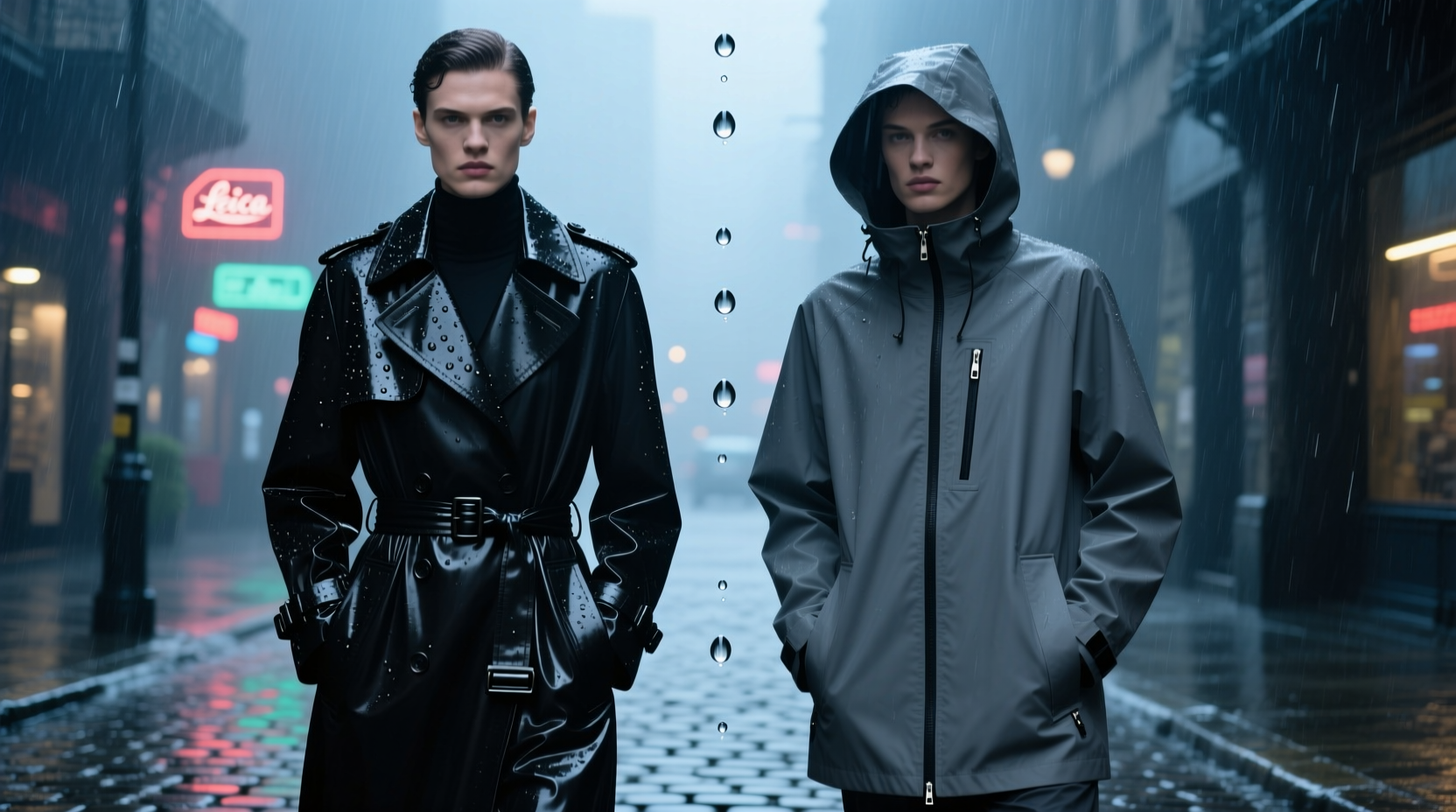
The trench coat traces its roots to World War I, designed for British officers navigating muddy battlefields. Its iconic features—storm flaps, epaulets, a double-breasted front, and a belted waist—were all practical responses to wet conditions. Over time, brands like Burberry and Aquascutum elevated the design into a symbol of timeless style, worn by figures from Humphrey Bogart to Audrey Hepburn.
In contrast, the modern rain jacket emerged from outdoor sportswear innovation. Developed for hikers, climbers, and adventurers, it emphasizes lightweight materials, breathability, and full waterproofing. Brands like The North Face, Arc’teryx, and Patagonia focus on technical fabrics that repel water at a molecular level, often sacrificing traditional tailoring for performance.
This fundamental difference in origin sets the tone: the trench coat evolved from function into fashion; the rain jacket remains rooted in performance, though high-end versions now flirt with urban aesthetics.
Material and Construction: How They Handle the Rain
Water resistance depends on fabric, seam construction, and coating. Trench coats are typically made from cotton gabardine—a tightly woven fabric originally treated with wax to shed water. While effective against light showers, traditional cotton trenches can saturate under prolonged rain unless reproofed regularly. Modern versions may use synthetic blends or laminated membranes to improve durability, but purists favor the classic material for its drape and texture.
Rain jackets, on the other hand, are built for relentless downpours. Most use synthetic shells (like nylon or polyester) coated with polyurethane or laminated with breathable membranes such as Gore-Tex. Seams are taped to prevent seepage, hoods are adjustable, and zippers are often covered or waterproof. These features make rain jackets objectively superior in heavy storms.
Performance Comparison: Trench Coat vs Rain Jacket
| Feature | Trench Coat | Rain Jacket |
|---|---|---|
| Water Resistance | Moderate to good (depends on material and treatment) | Excellent (fully waterproof with taped seams) |
| Breathability | High (especially cotton gabardine) | Variable (high-end models perform well; budget ones may trap heat) |
| Durability | Long-lasting with proper care | Depends on fabric weight; some lightweight shells tear easily |
| Style Versatility | High (works with suits, jeans, dresses) | Limited (best with casual or athletic wear) |
| Packability | Low (bulky, not easily folded) | High (many fold into pockets) |
| Wind Resistance | Moderate (long cut helps) | Excellent (tight cuffs, high collars, adjustable hoods) |
Style Impact: When Looking Sharp Matters
The trench coat is inherently more polished. Its structured shoulders, tailored fit, and knee-length cut create a commanding silhouette. Worn over a suit or a sweater and chinos, it projects authority and refinement. In cities like London, Paris, or New York, a beige or navy trench remains a staple of professional and semi-formal wardrobes.
Rain jackets, even premium ones, struggle to achieve the same gravitas. Their boxy cuts, bright colors, and visible zippers signal “outdoor gear” rather than “boardroom ready.” However, minimalist designs from brands like Canada Goose, Fjällräven, or even sleek iterations from Nike ACG have narrowed the gap. A black or charcoal technical shell with clean lines can work in casual urban settings—but rarely in formal environments.
“Clothing communicates before you speak. A trench coat says you’re prepared—for both weather and conversation.” — Marcus Lang, Menswear Stylist & Contributor, *GQ UK*
The key is context. For a job interview, client meeting, or evening out, the trench wins hands down. For a weekend hike, airport transit, or sudden thunderstorm during a bike commute, the rain jacket’s practicality outweighs its aesthetic limitations.
Real-World Scenario: The Commuter’s Dilemma
Consider Sarah, a marketing executive in Seattle—rainy 150 days a year. She needs outerwear that works from her rainy morning walk to the office through back-to-back meetings. Her first instinct was a high-performance rain jacket. It kept her dry, yes—but colleagues remarked it looked “too sporty” for client calls.
She switched to a wool-blend trench with a water-resistant finish. It wasn’t 100% waterproof in torrential rain, but with an umbrella and careful timing, she stayed dry enough. More importantly, she felt—and looked—more put together. On especially wet days, she carries a packable rain shell in her tote for backup.
Sarah’s solution reflects a growing trend: layering functionality with form. Use the trench as your primary outerwear in drizzle or light rain, and keep a compact rain jacket in your bag for extreme conditions.
Choosing the Right One: A Step-by-Step Guide
Selecting between a trench coat and a rain jacket shouldn’t be arbitrary. Follow this sequence to make a decision aligned with your lifestyle and image goals:
- Assess your climate. If you face frequent heavy rain, prioritize waterproofing. If it’s mostly drizzle, a treated trench suffices.
- Evaluate your wardrobe. Do you wear suits, dresses, or smart-casual outfits? The trench integrates seamlessly. If your daily wear is athleisure or rugged casual, a rain jacket fits naturally.
- Consider mobility needs. Do you bike, walk long distances, or carry a backpack? A rain jacket offers greater freedom of movement and packability.
- Test the fit. A trench should skim the body, not billow. A rain jacket should allow layering without restricting arms or torso.
- Check maintenance requirements. Cotton trenches need reproofing; synthetic shells require occasional washing to maintain DWR (durable water repellent) coatings.
Hybrid Options: The Best of Both Worlds?
Recognizing the divide between style and performance, several brands now offer hybrid outerwear. These pieces borrow the trench’s silhouette but use technical fabrics for enhanced protection.
- Belstaff Trialmaster Pro: A motorcycle-inspired jacket with trench-like lapels and full waterproofing.
- Burberry Kensington Shell: A lightweight, packable version of their classic trench, using gabardine with modern sealing.
- Barbour Beacon Heritage: Combines waxed cotton durability with a streamlined fit suitable for town wear.
These hybrids bridge the gap, offering respectable style without sacrificing dryness. They tend to be pricier, but for those who demand both sharpness and reliability, they’re worth considering.
Frequently Asked Questions
Can a trench coat handle heavy rain?
Traditional cotton trench coats will eventually soak through in sustained downpours. However, modern versions with synthetic blends or factory-applied DWR treatments fare better. For true downpours, pair it with an umbrella or consider a hybrid or technical alternative.
Is it unprofessional to wear a rain jacket to work?
It depends on the workplace and the jacket. In creative or tech environments, sleek, neutral-colored rain jackets are generally acceptable. In law, finance, or consulting, they may appear too casual. When in doubt, opt for a trench or overcoat.
How do I maintain a trench coat’s water resistance?
Clean it according to the label (usually spot cleaning or professional dry cleaning), then reapply a fabric protector like Nikwax or Scotchgard. Avoid silicone-based sprays on cotton gabardine, as they can clog fibers and reduce breathability.
Final Verdict: Sharpness vs. Dryness—Can You Have Both?
If the only metric were staying dry, the rain jacket wins decisively. Its engineering is purpose-built for wet conditions, and no trench coat—no matter how iconic—can match its performance in a storm.
But if looking sharp matters—and for many professionals, creatives, and style-conscious individuals, it does—the trench coat holds undeniable superiority. It enhances posture, elongates the frame, and signals intentionality. It’s not just outerwear; it’s part of an identity.
The smart approach isn’t choosing one over the other permanently, but curating both. Keep a classic trench for days when presentation counts. Stash a compact, understated rain jacket in your bag or car for when the forecast turns hostile. With both in rotation, you’re never caught off guard—either by the weather or by the impression you leave.
“Dressing well isn’t about avoiding rain—it’s about walking through it like it doesn’t touch you.” — Antoine Marchand, Founder, *The Urban Tailor*
Your Move: Build a Smarter Outerwear Wardrobe
Stop treating weather protection as a compromise. Invest in a well-cut trench in a versatile color—khaki, navy, or black—and pair it with a high-quality, low-profile rain shell. Rotate them based on forecast and occasion. Your comfort, confidence, and credibility depend not just on staying dry, but on how you carry yourself while doing it.




 浙公网安备
33010002000092号
浙公网安备
33010002000092号 浙B2-20120091-4
Comments
No comments yet. Why don't you start the discussion?