
In recent months, a quiet but unmistakable shift has taken place on backpacks, handbags, and keyrings around the world. Among the wide variety of floral-themed accessories, one specific design has surged in popularity: the tulip keychain. While generic flower keychains have long been a staple of gift shops and souvenir stands, the tulip variant is now appearing in fashion editorials, social media unboxings, and boutique storefronts with increasing frequency. But why? What sets the tulip apart from other floral motifs, and why has it captured the imagination of consumers across demographics?
This isn’t just a fleeting fad—it’s a convergence of design minimalism, cultural resonance, and emotional symbolism. To understand the phenomenon, we need to compare the tulip keychain to its broader floral counterparts, examine the forces driving its rise, and explore what this trend reveals about contemporary consumer values.
The Aesthetic Difference: Tulip vs. Generic Flower Keychains
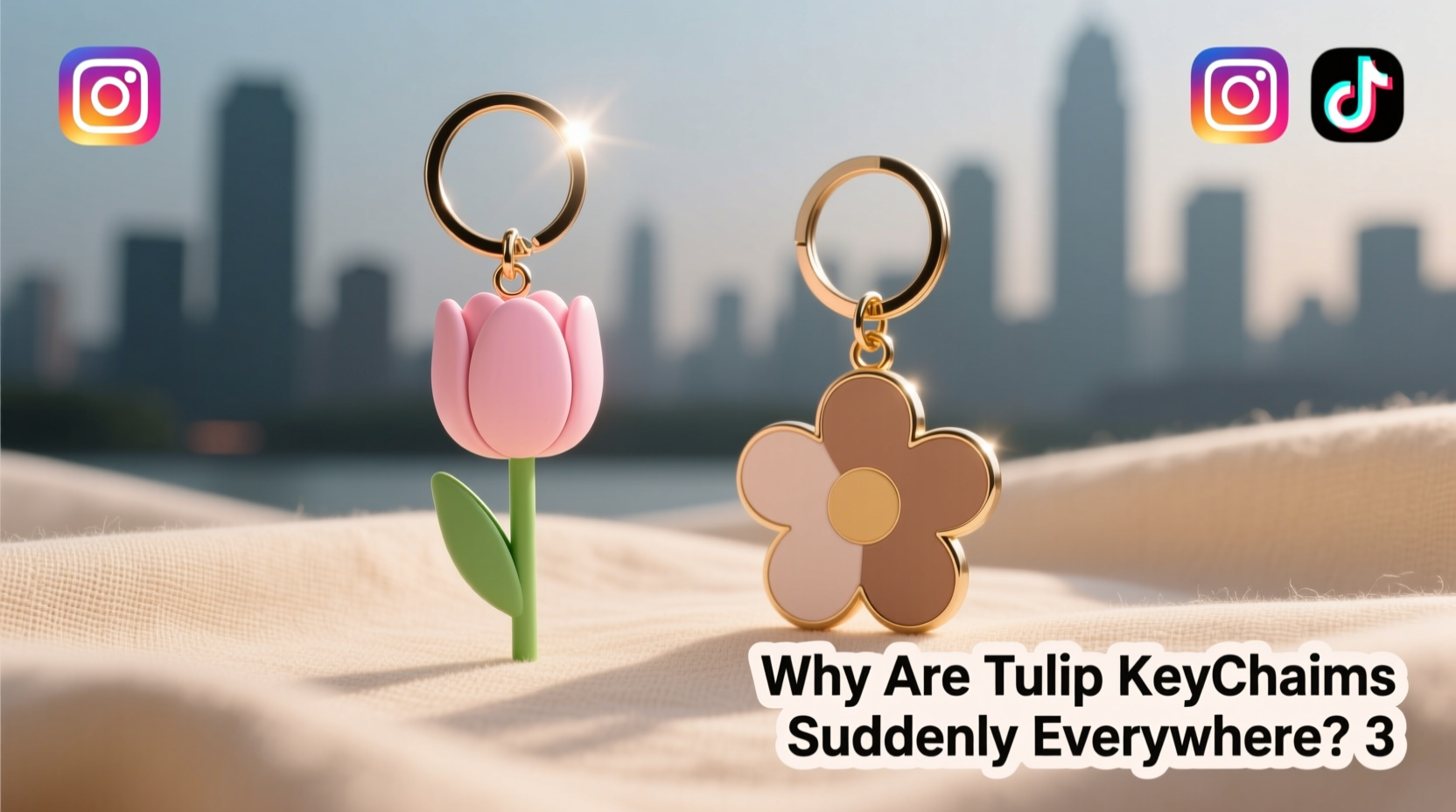
At first glance, both tulip and general flower keychains may appear similar—small, decorative, often made from enamel, resin, or silicone. However, their visual language diverges significantly.
Tulip keychains tend to emphasize clean lines, symmetry, and a sense of elegance. The tulip’s shape—tapered at the base, gently flared at the top—is inherently balanced and pleasing to the eye. Designers frequently use monochromatic palettes or soft gradients (like blush pink fading into white) that align with minimalist aesthetics popularized by Scandinavian and Japanese design traditions.
In contrast, generic flower keychains often feature multiple petals, bold colors, and whimsical details like smiling faces or glitter finishes. These designs lean toward playfulness and nostalgia, commonly associated with childhood trinkets or tourist souvenirs.
Cultural Symbolism: Why the Tulip Resonates
The tulip carries centuries of symbolic weight. Originating in Central Asia and later cultivated in the Ottoman Empire, it became a symbol of prosperity and refinement. In the Netherlands during the 17th century, “tulip mania” saw bulbs traded at prices exceeding those of skilled laborers’ annual wages—a historical episode that underscores the flower’s association with value and desire.
Today, the tulip continues to represent renewal, elegance, and quiet confidence. Unlike roses (passion), lilies (purity), or sunflowers (joy), the tulip occupies a unique middle ground—understated yet meaningful. This subtlety appeals to a generation increasingly drawn to symbols that convey depth without overt sentimentality.
“The tulip speaks a language of restrained beauty. It doesn’t shout; it whispers. That’s precisely why it resonates in an age saturated with noise.” — Lila Nguyen, Cultural Anthropologist & Design Commentator
Comparison: Tulip Keychain vs. General Flower Keychain
| Feature | Tulip Keychain | Generic Flower Keychain |
|---|---|---|
| Design Style | Minimalist, symmetrical, elegant | Playful, colorful, varied |
| Symbols Conveyed | Renewal, sophistication, calm | Joy, nostalgia, whimsy |
| Common Materials | Enamel, ceramic, brushed metal | Silicone, plastic, glitter-coated resin |
| Target Audience | Adults 25–40, minimalist lifestyle enthusiasts | Teens, children, souvenir collectors |
| Fashion Integration | Matches neutral-toned bags, workwear, jewelry | Brightens casual outfits, school gear |
The Social Media Effect: How TikTok and Instagram Fueled the Trend
No discussion of modern trends is complete without acknowledging the role of social platforms. On TikTok, hashtags like #TulipKeychain and #QuietLuxuryAccessories have amassed millions of views. Short videos showcasing “get ready with me” routines often highlight the tulip keychain as a finishing touch—dangling subtly from a tote bag or peeking out from a laptop case.
These clips don’t just display the product; they frame it within a lifestyle. The keychain becomes part of a narrative: someone organized, intentional, and aesthetically aware. Influencers pair it with linen clothing, ceramic mugs, and analog journals—elements of the “coastal cowgirl” and “clean girl” aesthetics that dominate 2024’s visual culture.
Instagram’s curated grids further amplify the trend. A single well-lit photo of a beige handbag with a soft pink tulip charm can generate thousands of saves and comments asking, “Where is this from?” This digital visibility creates a feedback loop: more exposure leads to more demand, which prompts brands to produce more variations.
Real-World Example: The Case of Marlow & Grey
Marlow & Grey, a small accessory brand based in Portland, Oregon, launched a limited-run tulip keychain in January 2024. Priced at $18 and available in three earthy tones (dusty rose, sage green, and oat white), the item sold out within 48 hours. What followed was unexpected: customers began posting photos not just of the keychain, but of how they styled it—with matching nail polish, in flat lays with poetry books, even as a gift tag alternative.
Within two months, the company had restocked five times and expanded the line to include seasonal variants (a frost-tipped winter tulip, a golden-edged spring edition). Their success wasn’t due to aggressive marketing, but to organic sharing and alignment with current aesthetic currents. As founder Dana Reeves noted, “We didn’t set out to start a trend. We just made something we loved—and people recognized that sincerity.”
How to Choose the Right Floral Keychain for You
Selecting between a tulip and a general flower keychain isn’t just about appearance—it’s about identity and intention. Consider these factors before making your choice:
- Purpose: Is this a personal item or a gift? Tulips often feel more thoughtful and mature, making them ideal for gifts among friends or colleagues.
- Style Alignment: Does your wardrobe lean toward neutral tones and structured silhouettes? A tulip complements such aesthetics. Prefer bold patterns and vibrant energy? A cheerful daisy or poppy might suit you better.
- Durability: Check materials. Enamel tulip charms resist scratches better than soft silicone flowers.
- Emotional Connection: Do you associate tulips with springtime walks or a grandmother’s garden? Personal meaning enhances attachment.
- Versatility: Can it transition from day to night, work to weekend? Tulip keychains often do, thanks to their timeless form.
FAQ
Are tulip keychains only popular in certain countries?
No—while the trend gained early traction in Europe and North America, it has spread globally. Japanese stationery brands, Australian boutiques, and South Korean online stores now offer their own interpretations, reflecting broad cross-cultural appeal.
Do tulip keychains have any functional advantage over other designs?
Functionally, no—they serve the same purpose as any keychain. However, their streamlined shape makes them less likely to snag on fabric compared to bulkier or spikier flower designs.
Can I customize a tulip keychain?
Yes. Many independent sellers on platforms like Etsy offer personalized options—engraved initials, custom colors, or mixed-metal stems. This ability to personalize adds to their emotional value.
Conclusion: More Than Just a Trinket
The rise of the tulip keychain reflects a deeper cultural moment. In a world of constant stimulation and disposable trends, people are gravitating toward objects that feel intentional, beautiful, and quietly meaningful. The tulip—neither flashy nor forgettable—embodies this balance perfectly.
Whether you choose a tulip or another floral design, the key is alignment: with your style, your values, and your vision of everyday beauty. These small accessories may seem insignificant, but they’re part of how we express who we are—without saying a word.




 浙公网安备
33010002000092号
浙公网安备
33010002000092号 浙B2-20120091-4
Comments
No comments yet. Why don't you start the discussion?