
Fashion today blurs the line between coordinated dressing and curated individuality. One trend that’s gained popularity—especially in casual, workwear, and resort wear—is the rise of two-piece sets: matching tops and bottoms sold as a single unit. At the same time, many brands offer nearly identical pieces as “matching separates,” allowing customers to buy them individually. On the surface, they look the same. But are they? And more importantly, are you overpaying when you choose one over the other?
The answer isn’t always straightforward. While both options deliver a put-together aesthetic, differences in pricing, flexibility, quality, and long-term value can make one a smarter investment than the other.
The Core Difference: Bundled Convenience vs Custom Control
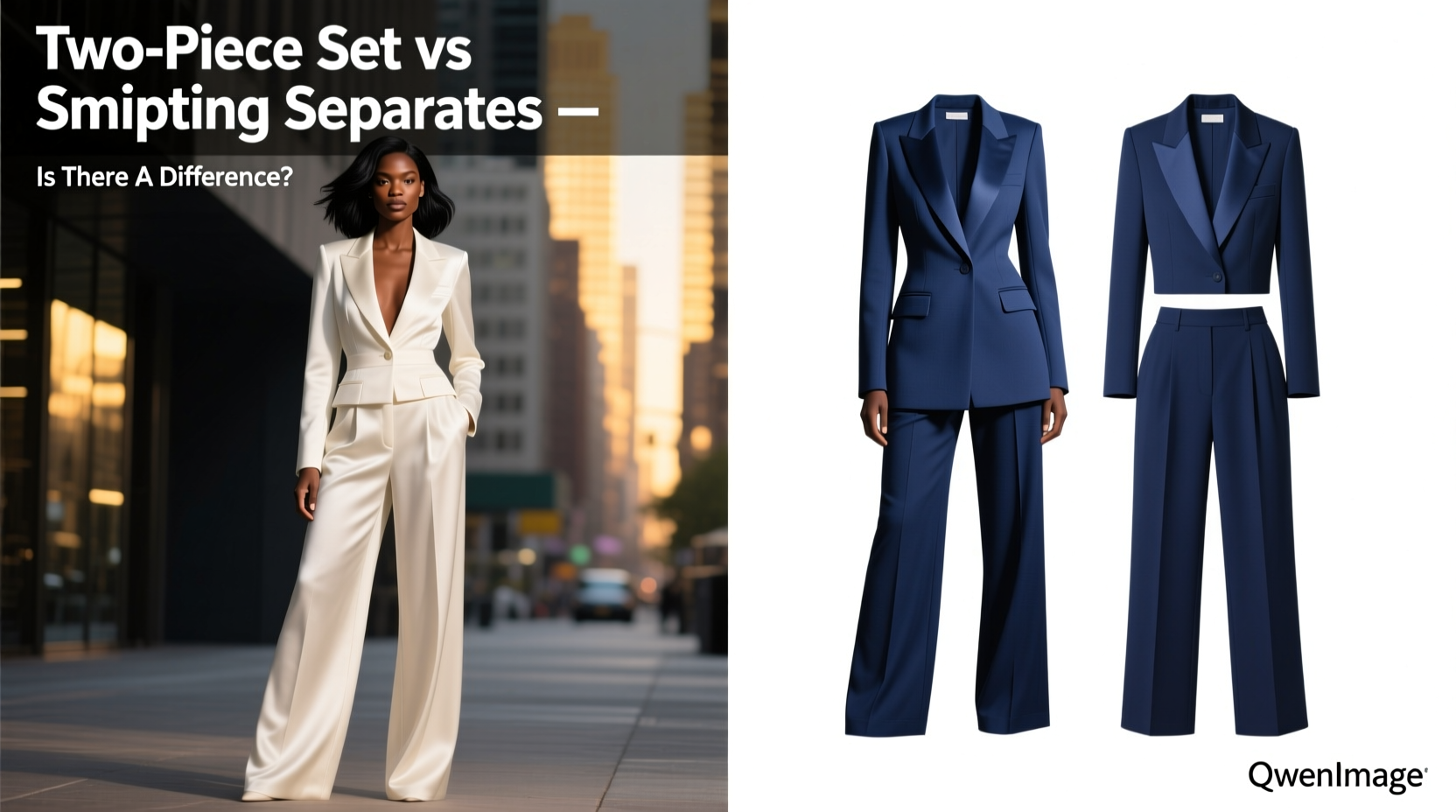
A two-piece set is typically marketed and priced as a coordinated outfit. It's designed to be worn together, often cut from the same fabric with intentional styling details like tonal stitching, matching pockets, or complementary silhouettes. These sets are convenient—one purchase, zero coordination effort. They’re ideal for travelers, last-minute events, or anyone who wants to look polished without thinking too hard.
Matching separates, on the other hand, are sold individually but designed to go together. You might see a tailored linen blazer listed alongside its companion shorts, both styled on the same model, using the same dye lot and pattern. The key distinction? You can buy just the top, just the bottom, or both—and often mix them with non-matching items later.
This structural difference leads to divergent shopping behaviors. Sets encourage impulse buys rooted in instant gratification; separates promote intentionality and wardrobe integration.
Pricing & Value: Is the Set Really a Deal?
Many retailers position two-piece sets as a value proposition: “Buy both, save money.” But this isn't always true. In some cases, the combined price of a set equals or exceeds the sum of the individual pieces.
For example:
| Item | Price (Separate) | Set Price | Savings? |
|---|---|---|---|
| Linen Crop Top | $48 | $92 | Yes, $4 saved |
| Linen Wide-Leg Pants | $50 | ||
| Cotton Rib Tank | $36 | $80 | No—$8 more expensive |
| Cotton Rib Skirt | $36 |
As shown, not all sets offer savings. Some capitalize on the psychological appeal of “a complete look” while charging a bundle premium. Always calculate the total if purchased separately before committing.
“Retailers know consumers equate matching with luxury and effortlessness. That perception allows them to charge more—even when no real cost reduction occurs.” — Dana Reyes, Fashion Economist & Retail Analyst
Versatility & Wardrobe Longevity
One of the most overlooked factors is how each option integrates into your existing wardrobe.
Two-piece sets, while stylish, often suffer from limited wearability. Because they’re designed as a unit, wearing just one piece can feel off-balance or incomplete. A cropped satin top from a set might clash with your jeans due to sheen or color tone. Matching pants could look mismatched if worn with another top that’s slightly different in hue—even if it appears similar.
Separates, by contrast, are built for mixing. When sold individually, brands usually ensure each piece coordinates with multiple items in their collection. This increases re-wear potential. That linen blazer? Pair it with dark denim. The tailored shorts? Wear them under a loose tee for weekend brunch.
Over time, separates tend to deliver higher per-wear value because they’re more adaptable.
Real Example: Emma’s Vacation Dilemma
Emma packed for a week-long beach trip with two outfits: a matching two-piece knit set and a pair of high-waisted shorts bought separately with a coordinating tank. She wore the set twice—once for dinner, once for photos. But she wore the shorts four times, pairing them with different tanks, a cover-up, and even a sweater when it got cool. The tank appeared in three other outfits. The set stayed folded in her suitcase after day two.
Though both looked equally chic, only the separates offered functional versatility. Her “complete look” became a fashion anchor, not a flexible staple.
Fit & Sizing Challenges
Another hidden issue with sets is sizing rigidity. Most are sold as fixed pairs: if you’re a size small top and medium bottom, you’re out of luck. You either size up (risking a baggy top) or size down (risking tight pants). This lack of customization disproportionately affects people with hourglass, pear, or athletic builds.
Separates allow for precise tailoring across your body. You can size each piece independently, ensuring optimal comfort and silhouette. Plus, if one item wears out faster—say, the waistband on the shorts—you can replace just that piece instead of hunting for an exact match to a discontinued set.
When to Choose a Set (And When to Skip It)
There are legitimate reasons to buy a two-piece set:
- You want a statement look – For weddings, parties, or photoshoots, a cohesive set makes a bold impression.
- Travel efficiency matters – Packing coordinated outfits saves space and decision fatigue.
- The set offers real savings – If the bundled price is clearly lower than buying apart, it’s a practical deal.
- Design cohesion is exceptional – Some sets feature unique details (contrast linings, custom buttons) that elevate the pairing beyond basic matching.
But avoid sets when:
- You’re unlikely to wear both pieces frequently.
- The fabric or style is highly seasonal (e.g., sequined lounge sets).
- The brand doesn’t offer your size in both top and bottom.
- You already own compatible basics that could pair with one half.
Checklist: Before Buying Any Matching Outfit
- Calculate the total cost if bought as separates—does the set actually save money?
- Ask: Can I wear each piece on its own with confidence?
- Check size availability—are both pieces offered in your correct fit?
- Consider your lifestyle—will this get repeated use, or is it a one-time look?
- Look at care instructions—will frequent washing damage the fabric or fade the color unevenly?
FAQ
Can I return one piece of a two-piece set if the other doesn’t fit?
Most retailers require you to return both pieces together unless sold as separates. Always check the return policy before purchasing. Some brands allow partial returns but deduct a restocking fee.
Are matching separates made from the same fabric as sets?
Often, yes. Reputable brands use the same dye lots and materials for both versions to maintain consistency. However, cheaper fast-fashion labels sometimes alter fabric blends between set and separate versions to cut costs. Check product descriptions carefully.
Do matching sets go out of style faster?
They can. Because they’re trend-driven and worn as a unit, sets may feel dated quicker than versatile separates. Classic cuts in neutral tones (like beige linen or black crepe) last longer in rotation.
Final Verdict: Are You Wasting Your Money?
Not necessarily—but you might be. The truth is, many two-piece sets are priced for aesthetics, not utility. If you prioritize convenience and occasional wear, a set can be worth it. But if you value versatility, fit accuracy, and long-term wardrobe integration, separates almost always win.
The real waste isn’t in buying sets—it’s in not asking the right questions first. Are you buying for function or fantasy? Do you need both pieces, or just one? Will you wear it again, or is it for the ‘gram?
By shifting focus from “how it looks together” to “how it works in my life,” you’ll make smarter choices that stretch every dollar.




 浙公网安备
33010002000092号
浙公网安备
33010002000092号 浙B2-20120091-4
Comments
No comments yet. Why don't you start the discussion?