
Adidas Boost technology revolutionized athletic footwear, combining responsive cushioning with sleek design. As one of the most popular performance lines in sneaker history, Adidas Boost models like the Ultraboost, Pureboost, and Solarboost are frequent targets for counterfeiters. With fakes becoming increasingly sophisticated, even experienced buyers can be fooled. Knowing how to verify authenticity isn’t just about protecting your investment—it’s about ensuring safety, comfort, and performance. This guide breaks down the exact methods professionals use to spot real from fake, covering construction details, packaging, materials, and digital verification tools.
Analyze the Box and Packaging Details
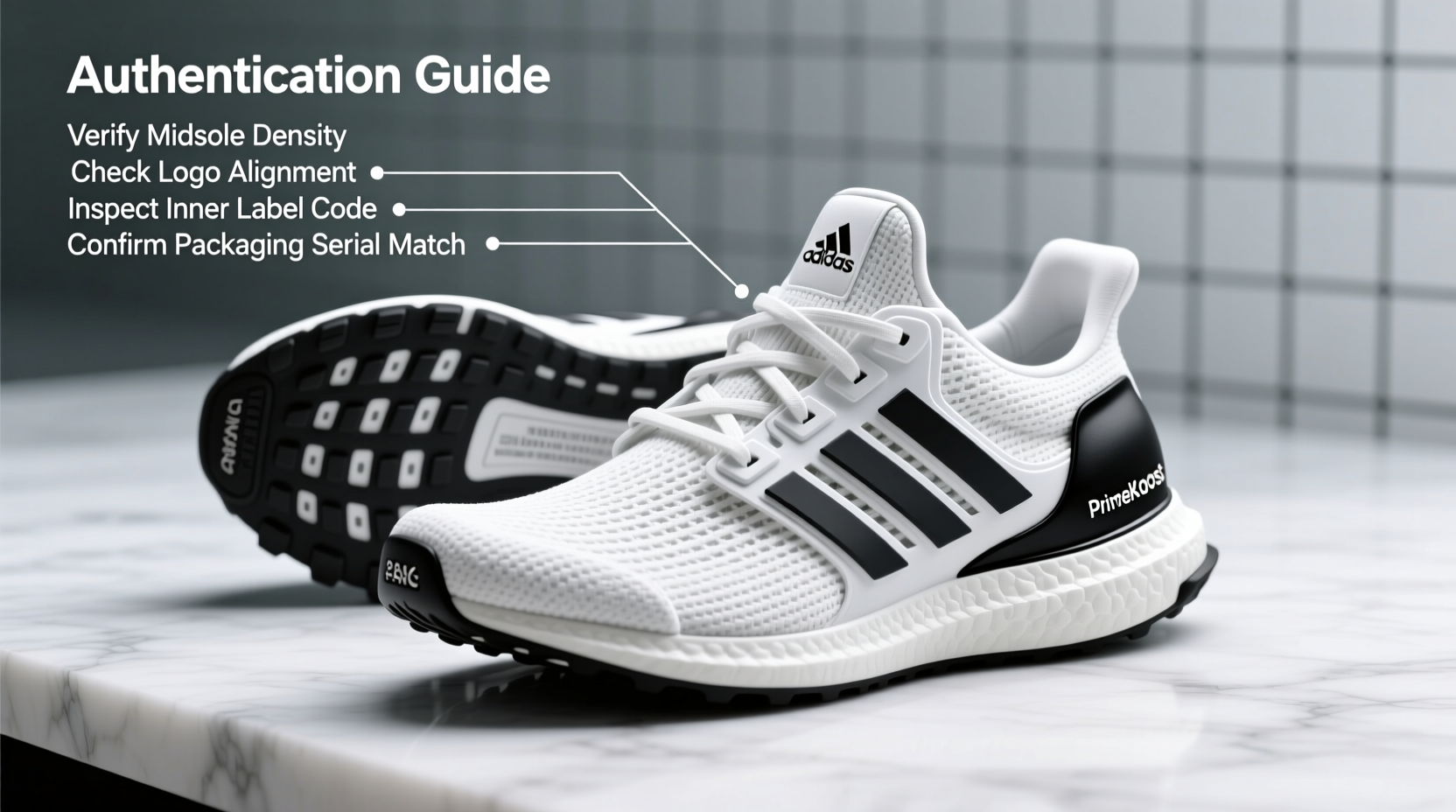
The first step in authenticating any Adidas Boost sneaker begins before you even open the box. Counterfeiters often overlook subtle packaging cues that distinguish genuine products.
- Box Labeling: Genuine Adidas boxes feature clean, crisp text with correct font weight and alignment. Look for the SKU number on the side label—this should match exactly what's printed on the shoe’s insole tag.
- Stickers: Authentic boxes have tamper-proof stickers with holographic elements or QR codes. Avoid boxes with misaligned logos or spelling errors like “Addidas” or “Aadidas.”
- Inbox Contents: Original pairs include a branded tissue paper, an extra set of laces (on select models), and a size tag card. Missing or generic inserts are red flags.
Inspect the Upper Construction and Materials
The upper is where craftsmanship separates real from replica. Adidas uses premium Primeknit, engineered mesh, and seamless overlays across its Boost line. Fakes often substitute cheaper fabrics that lack breathability and stretch.
Check for these key indicators:
- Seam Alignment: On authentic Ultraboosts, the heel cage lines up perfectly with the midfoot support structure. Misaligned stitching or glue residue indicates poor quality control typical of counterfeits.
- Logo Embossing: The three stripes should be laser-cut or heat-bonded with precision. Fake versions may show rough edges or inconsistent width.
- Toe Cap Shape: Real Boost sneakers have a rounded, reinforced toe cap with symmetrical perforations. Replicas often make this too pointed or uneven.
“Over 70% of fake Boost shoes fail at material fidelity—the knit doesn’t stretch the same way, and it ages poorly under stress.” — Marcus Lin, Senior Sneaker Authenticator at Legit Check Co.
Evaluate the Midsole and Boost Technology
The signature Boost midsole is the heart of these sneakers. It’s made from expanded thermoplastic polyurethane (ETPU) beads, giving it a unique bouncy texture and honeycomb structure.
| Feature | Genuine Adidas Boost | Fake Adidas Boost |
|---|---|---|
| Texture | Soft, pillowy feel with visible individual capsules | Dense rubber-like compound; smooth or molded appearance |
| Color Consistency | Uniform off-white or cream tone | Yellowish tint or grayish cast due to inferior foam |
| Compression Test | Bounces back immediately when pressed | Slow rebound or permanent indentation |
| Edge Finish | Clean transition between midsole and outsole | Gaps, flashing, or excess glue visible |
Hold the shoe at eye level and examine the midsole curvature. Authentic Boost units follow a precise parabolic arc from heel to forefoot. Fakes often flatten the curve or create abrupt angles.
Real Example: The $200 Mistake
A collector in Berlin purchased a pair of “Ultraboost 22” sneakers from a third-party marketplace for €180. They looked nearly identical to his previous pair—same box, tags, and colorway. But after two weeks of wear, the midsole began cracking along the grooves, and the Primeknit upper lost its shape. He sent them to a professional authenticator who found the Boost pellets were compressed into a solid slab instead of loose granules. The seller had used a mold to replicate the look but skipped the actual ETPU formula. This case highlights why tactile inspection matters more than visual similarity.
Decode the Insole Tag and Serial Information
The insole contains critical data points that can confirm legitimacy. Lift the sockliner carefully to inspect the following:
- Style Code & Size: Must match the box label exactly. For example, \"GZ8978\" in size UK 9 should appear both inside the shoe and on the box.
- Manufacturing Location: Most authentic Boost sneakers are made in Vietnam, Indonesia, or China—but always with consistent formatting. Watch for typos like “Made n VN” or missing country names.
- QR Code / NFC Chip (on newer models): Some limited editions include scannable chips embedded in the tongue or heel. Use the Adidas Confirmed app to validate ownership and release details.
Step-by-Step Authentication Checklist
Follow this sequence every time you purchase or resell a pair of Boost sneakers:
- Examine the box for correct labeling, SKU match, and holographic sticker integrity.
- Inspect the upper for proper knit tension, logo symmetry, and accurate perforation patterns.
- Press the midsole firmly—real Boost foam rebounds instantly without leaving marks.
- Lift the insole to verify style code, size, and manufacturing origin match the box.
- Scan the QR code via the Adidas Confirmed app if available.
- Weigh the shoe—authentic Ultraboosts typically weigh between 300–340g per shoe in size 9.
- Compare against known authentic reference photos using platforms like Sole Collector or SneakerNews archives.
Frequently Asked Questions
Can I trust sellers who provide receipts?
Not necessarily. While receipts add credibility, they can be forged or borrowed from legitimate purchases. Always perform physical verification regardless of documentation.
Do all Adidas Boost shoes have NFC chips?
No. Only select collaborations and high-tier releases (e.g., Ultraboost DNA,限量款 drops) include NFC authentication. Most standard models rely on visual and structural checks.
Is there a difference between factory seconds and fakes?
Yes. Factory seconds are genuine Adidas products with minor cosmetic flaws sold through authorized outlets. They still contain real Boost foam and proper branding. Fakes mimic the design entirely but use substandard materials and construction.
Final Verification Tips from Industry Pros
Seasoned authenticators recommend building a personal database of trusted reference images. Note small details like font spacing on heel tabs, lace tunnel placement, and collar padding density. Over time, these nuances become instinctive.
Use digital tools wisely. Platforms like StockX and GOAT employ expert reviewers who grade each pair based on over 20 checkpoints. Submitting your own pair for review—even if not selling—can provide third-party validation.
“The best defense against fakes is knowledge. Learn one model deeply—like the Ultraboost 1.0—and everything else becomes easier to assess.” — Lena Park, Sneaker Archivist & Resale Consultant
Stay Sharp, Stay Confident
Authenticating Adidas Boost sneakers isn't about memorizing rules—it's about developing a sharp eye for detail and consistency. From the moment you unbox a new pair to the first few wears, pay attention to how it feels, looks, and performs. Real Boost technology delivers energy return and comfort no imitation can truly replicate. By mastering these verification techniques, you protect your collection, your budget, and your reputation as a discerning buyer.




 浙公网安备
33010002000092号
浙公网安备
33010002000092号 浙B2-20120091-4
Comments
No comments yet. Why don't you start the discussion?