
Gold plated stud earrings are a staple in many jewelry collections—affordable, elegant, and versatile enough to wear daily. But unlike solid gold, the thin layer of real gold over a base metal is vulnerable to wear, tarnishing, and discoloration. Without proper care, your favorite studs can lose their luster within weeks. The good news: with simple, consistent habits, you can significantly extend their life and maintain that radiant glow. This guide breaks down everything you need to know—from cleaning techniques to storage strategies—to protect your investment and keep your earrings looking fresh.
Understanding Gold Plating and Why It Fades
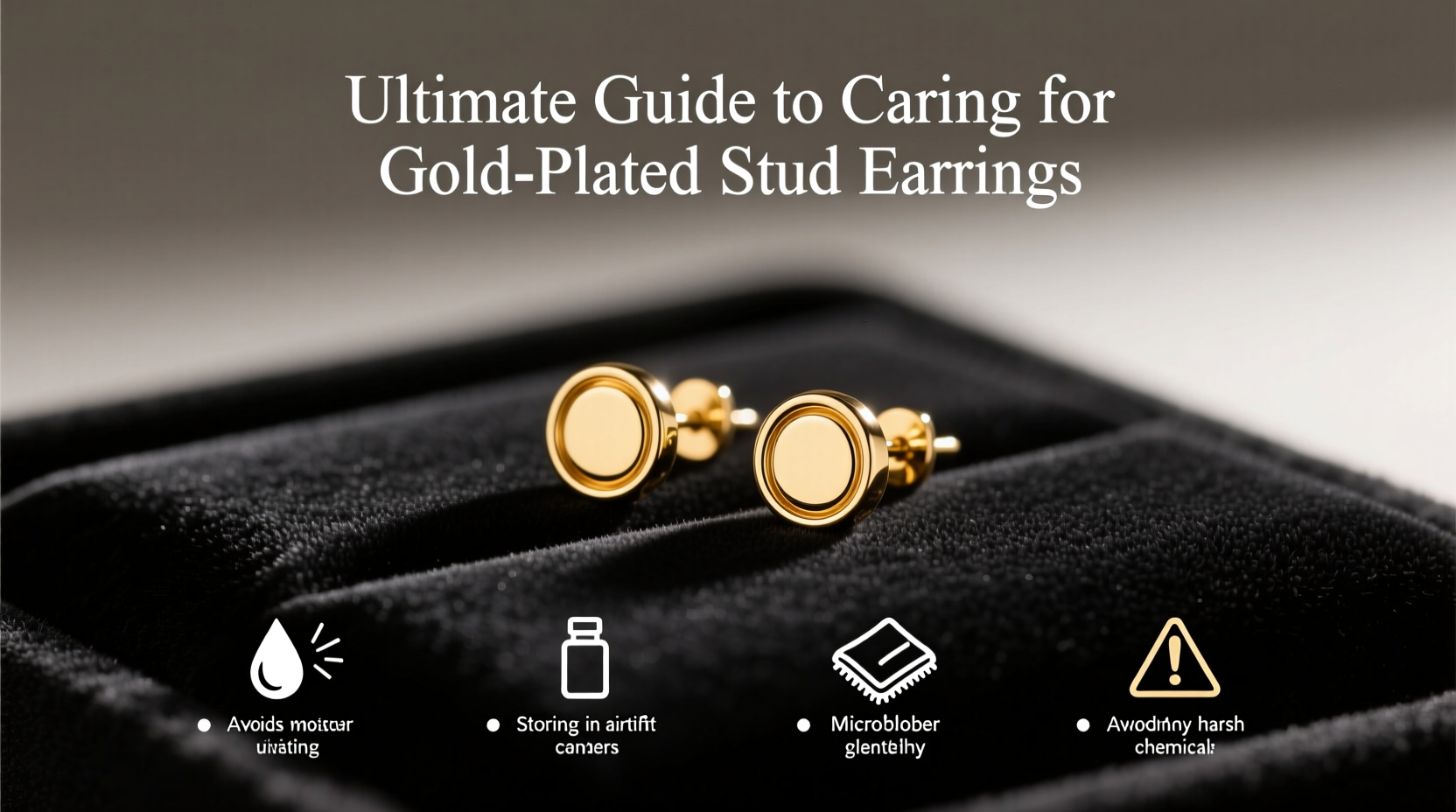
Gold plating involves bonding a micro-thin layer of 14k, 18k, or 24k gold onto a base metal—typically brass, copper, or stainless steel—using an electrochemical process. While this gives the appearance of solid gold at a fraction of the cost, the coating is only 0.5 to 2.5 microns thick. That’s thinner than a human hair. Because of this delicate layer, exposure to moisture, chemicals, friction, and air accelerates wear.
The most common signs of degradation include fading (a dull or brassy appearance), flaking, and tarnishing. These issues aren’t inevitable. They stem from environmental exposure and improper handling. Recognizing what compromises the plating helps you take preventive steps before damage occurs.
“Gold plating isn’t meant to last forever, but with mindful use and maintenance, it can remain beautiful for years—not months.” — Lila Nguyen, Jewelry Preservation Specialist
Step-by-Step Cleaning Routine for Gold Plated Studs
Cleaning your gold plated studs doesn’t require harsh tools or expensive solutions. In fact, aggressive scrubbing can do more harm than good. Follow this gentle, effective routine to safely restore shine without damaging the plating.
- Remove earrings after wear: Take them off before showering, swimming, or applying skincare products.
- Wipe gently with a soft cloth: Use a lint-free microfiber or polishing cloth to remove oils and residue immediately after removal.
- Prepare a mild cleaning solution: Mix a few drops of non-ammonia dish soap with warm water in a small bowl.
- Soak briefly: Submerge the studs for no more than 1–2 minutes. Prolonged soaking risks water seeping into crevices.
- Clean with a soft toothbrush: Gently brush around the post and backing to dislodge buildup. Avoid pressing hard.
- Rinse under lukewarm water: Do not use hot water, which can weaken adhesion over time.
- Dry thoroughly: Pat dry with a clean cloth, then air-dry completely before storing.
Proper Storage: The Key to Longevity
Where and how you store your earrings plays a critical role in preserving their finish. Exposure to air causes oxidation, while contact with other metals leads to scratches and galvanic corrosion—a chemical reaction that eats away at the gold layer.
Store each pair in a separate compartment of a lined jewelry box, preferably with anti-tarnish properties. If you don’t have a dedicated case, use individual soft pouches made of velvet or felt. Avoid tossing earrings into a drawer or leaving them on a bathroom counter where humidity and accidental bumps are common.
| Storage Method | Effectiveness | Notes |
|---|---|---|
| Airtight container with anti-tarnish strip | ★★★★★ | Best for long-term protection; reduces oxidation. |
| Felt-lined jewelry box with dividers | ★★★★☆ | Prevents scratching; ideal for daily access. |
| Plastic bag (not sealed) | ★★☆☆☆ | Better than open air but allows moisture buildup. |
| Bathroom countertop | ★☆☆☆☆ | High humidity and product exposure cause rapid tarnish. |
Everyday Habits That Protect Your Earrings
Your daily routine has a direct impact on how long your gold plated studs retain their brilliance. Simple behavioral adjustments can dramatically reduce wear.
- Put earrings on after applying makeup, perfume, and hairspray. Alcohol and oils in these products degrade the plating.
- Avoid wearing them during workouts, swimming, or household chores involving cleaning agents.
- Rotate your studs. Constant wear on one pair increases friction and sweat exposure—give them rest days.
- Keep pairs together. Losing one stud is common, but storing them as a set prevents mismatched losses.
Mini Case Study: How Sarah Extended Her Earrings’ Life by 3 Years
Sarah, a graphic designer from Portland, bought a pair of rose gold plated studs she loved for everyday wear. After six months, the first pair began showing brass underneath. Disappointed, she researched care methods and adjusted her habits. She started removing them before washing her hands, storing them in a zippered velvet pouch, and cleaning them weekly with a microfiber cloth. She also stopped wearing them to morning yoga classes.
Her next pair, purchased two years later, still looks nearly new after 38 months of occasional use. “I used to think gold plated was disposable,” she says. “Now I treat them like fine jewelry—and they last.”
Do’s and Don’ts: Quick Reference Checklist
To make it easy to remember best practices, here’s a concise checklist you can follow daily.
- Wipe earrings with a soft cloth after each wear
- Store in a cool, dry, airtight space
- Clean monthly using mild soap and water
- Apply earrings after styling and skincare
- Rotate between multiple pairs
- Wear in pools, saunas, or showers
- Use abrasive cloths or jewelry dips
- Store near windows or humid areas
- Expose to perfumes, lotions, or hairsprays
- Leave them loose in drawers or bags
Frequently Asked Questions
Can I replate my gold plated earrings?
Yes. Many local jewelers offer re-plating services, typically costing $15–$40 per pair. This restores the outer gold layer and is a cost-effective alternative to replacement. However, ensure the base metal is intact—severe tarnish or corrosion may make replating impractical.
How often should I clean gold plated studs?
Wipe them with a dry microfiber cloth after every use. A deeper clean with soapy water is recommended every 4–6 weeks, depending on wear frequency. Over-cleaning can accelerate wear, so moderation is key.
Why do my gold plated earrings turn my skin green?
This reaction is caused by the base metal (often copper or nickel) reacting with sweat and skin pH. It’s harmless but indicates the plating is wearing thin. To minimize this, keep earrings dry and consider switching to hypoallergenic posts if irritation occurs.
Final Thoughts: Treat Them Like Heirlooms, Not Fast Fashion
Gold plated stud earrings don’t have to be short-lived accessories. With attentive care, they can remain radiant and reliable for years. The secret lies in consistency—small actions taken regularly compound into long-term preservation. Think of your earrings not as disposable fashion items, but as pieces worth protecting.
Start today: designate a safe storage spot, stock up on microfiber cloths, and commit to a simple cleaning rhythm. Your future self will appreciate the sparkle that lasts.




 浙公网安备
33010002000092号
浙公网安备
33010002000092号 浙B2-20120091-4
Comments
No comments yet. Why don't you start the discussion?