
Selecting the right backpack for a boy isn’t just about color or brand appeal—it’s about durability, comfort, functionality, and long-term value. Whether it's for school, travel, or outdoor adventures, a poorly chosen backpack can lead to discomfort, frequent replacements, or even posture issues. With so many options on the market, making an informed decision is essential. This guide breaks down the critical factors that define a truly durable backpack, backed by expert insights and practical recommendations.
Why Durability Matters in Boys’ Backpacks
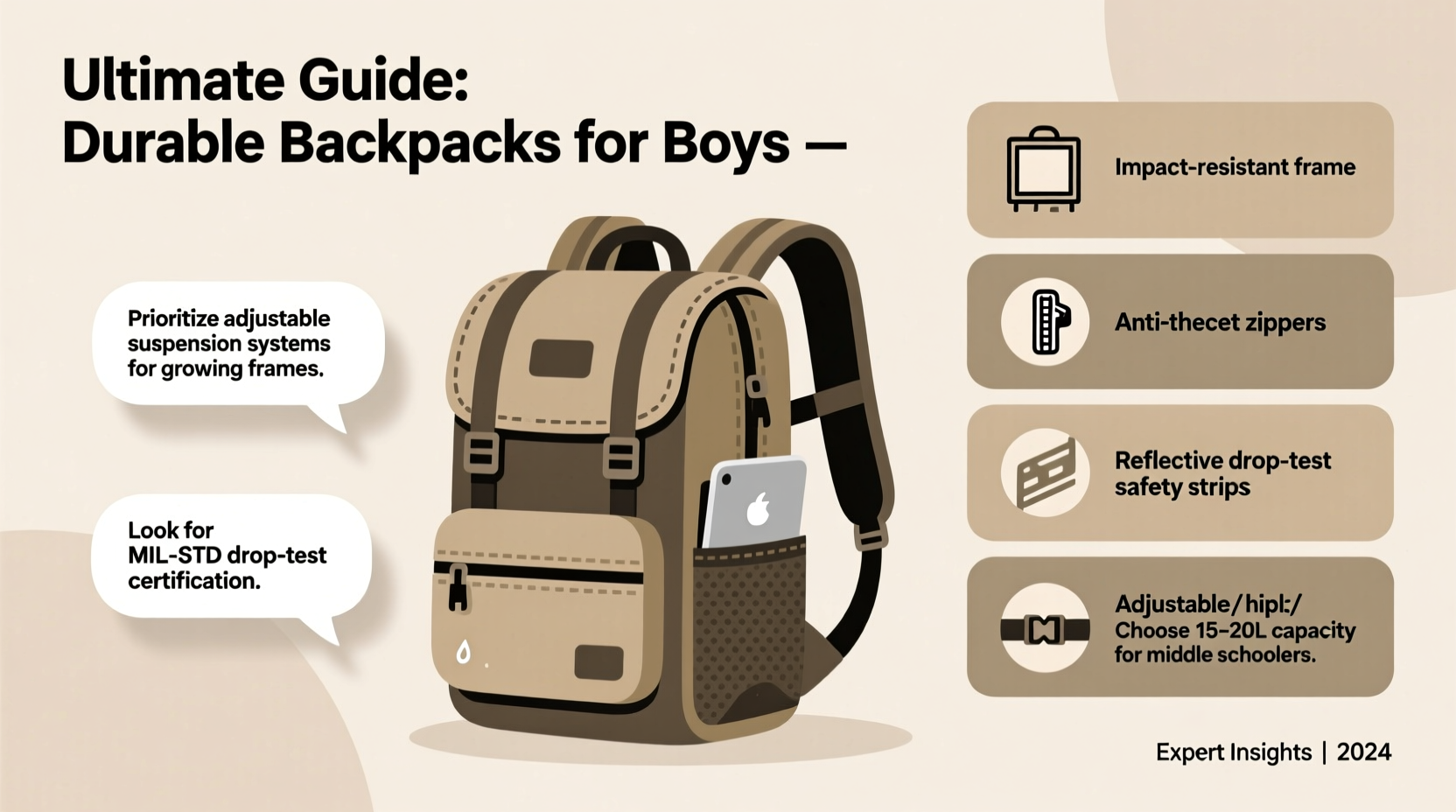
Boys are often more physically active, and their backpacks endure rough handling—tossed into lockers, dragged across pavement, stuffed with heavy textbooks, or used during weekend hikes. A flimsy bag may last only a few months under such conditions. A durable backpack, however, withstands daily wear, resists tears and zipper failures, and maintains structural integrity over time.
Durability also translates to cost efficiency. Investing in a well-built backpack reduces the need for frequent replacements, saving money and reducing waste. Moreover, high-quality materials and construction contribute to better weight distribution, minimizing strain on young shoulders and backs.
Key Features of a Durable Backpack for Boys
A long-lasting backpack combines smart design with robust materials. Below are the most important features to consider:
1. High-Density Fabric
The material is the foundation of durability. Nylon (especially 600D or 1000D) and polyester with a high denier rating resist abrasions, water, and UV damage. Ripstop nylon, woven with reinforced threads, prevents small tears from spreading.
2. Reinforced Stitching and Seams
Double or triple stitching at stress points—like shoulder strap attachments and bottom corners—prevents premature seam failure. Look for backpacks with bar-tacking (reinforced box stitches) in high-tension areas.
3. Quality Zippers and Hardware
YKK zippers are industry-standard for reliability. Metal sliders last longer than plastic ones. Buckles, D-rings, and clips should be made from reinforced nylon or metal to avoid cracking under pressure.
4. Padded and Ergonomic Straps
Wide, contoured shoulder straps with padding reduce pressure on the neck and shoulders. A chest or sternum strap helps stabilize the load, while a padded back panel improves airflow and comfort during extended wear.
5. Structural Support and Frame
Backpacks with internal frames or rigid back panels maintain shape, distribute weight evenly, and prevent sagging. This is especially important for heavier loads like school supplies.
| Feature | What to Look For | Red Flags |
|---|---|---|
| Fabric | 600D+ nylon or polyester, ripstop weave | Thin, shiny material that wrinkles easily |
| Stitching | Double stitching, bar-tacks at joints | Loose threads, single-stitch seams |
| Zippers | YKK or equivalent, metal sliders | Plastic sliders that feel brittle |
| Straps | Padded, adjustable, with chest support | Thin, non-padded, no stabilizer |
| Frame | Internal frame sheet or molded back panel | No structure—bag collapses when empty |
Expert Tips for Choosing the Right Backpack
“Parents often prioritize looks over function, but the best backpack for a growing child supports both physical health and daily demands.” — Dr. Lena Patel, Pediatric Ergonomics Specialist
Consider the Intended Use
A school backpack needs organized compartments and laptop protection. A hiking pack requires hydration compatibility and weather resistance. Match the design to the primary activity.
Check Weight Distribution
A backpack shouldn’t exceed 10–15% of the child’s body weight. Look for models with a waist belt or load-lifter straps if heavier items will be carried regularly.
Sizing Matters
The backpack should sit snugly between the shoulders and hips—not hanging below the waist or riding too high. Adjustable straps allow the bag to grow with the child.
Water Resistance vs. Waterproofing
Most durable backpacks offer water-resistant coatings, but true waterproofing requires sealed seams and roll-top closures. For rainy climates, consider adding a rain cover.
Step-by-Step Guide to Selecting the Perfect Backpack
- Assess the primary use – School, sports, travel, or multi-purpose?
- Determine size requirements – Measure torso length and check volume (15–25L for school, 30L+ for trips).
- Inspect materials and construction – Feel the fabric, test zippers, examine stitching.
- Evaluate comfort features – Padding, ventilation, adjustability.
- Test fit with weight – Load with typical contents and ensure proper alignment.
- Review warranty and brand reputation – Reputable brands often offer lifetime repairs or guarantees.
Real-World Example: The School Year That Didn’t Break the Bag
Twelve-year-old Marcus received a high-denier nylon backpack with an internal frame before seventh grade. His previous bags lasted less than a semester due to broken zippers and torn straps. This time, his parents focused on durability over style. The new backpack featured YKK zippers, bar-tacked straps, and a ventilated back panel. Even after nine months of daily use—carrying textbooks, a tablet, and gym clothes—the bag showed minimal wear. The only maintenance needed was wiping down the exterior with a damp cloth monthly. Marcus reported less back fatigue, and his mother saved over $40 in replacement costs.
Essential Checklist Before Buying
- ✅ Fabric is 600D or higher denier nylon/polyester
- ✅ Zippers are from a trusted brand (e.g., YKK)
- ✅ Shoulder straps are wide, padded, and adjustable
- ✅ Includes chest or waist stabilization strap
- ✅ Back panel is padded and breathable
- ✅ Internal structure maintains shape under load
- ✅ Warranty covers manufacturing defects
- ✅ Fits properly when worn with typical load
Frequently Asked Questions
How do I clean a durable backpack without damaging it?
Spot-clean with mild soap and a soft brush. Avoid machine washing unless specified by the manufacturer. Always air dry—never use a dryer, as heat can degrade adhesives and coatings.
Are expensive backpacks worth it for kids?
Yes, if they’re built with superior materials and ergonomic design. A $70 backpack that lasts three years is more economical than three $30 bags failing annually. Plus, better support promotes healthier posture.
Can a backpack affect my child’s posture?
Absolutely. Poorly designed or overloaded backpacks pull the child backward, leading to slouching, shoulder imbalance, and long-term spinal stress. Proper fit and weight management are crucial.
Final Thoughts: Build Smart Habits Around Gear
Choosing a durable backpack is more than a one-time purchase—it’s an investment in comfort, health, and practicality. By focusing on proven materials, thoughtful design, and real-world testing, parents can equip boys with a reliable companion for school and adventure alike. Don’t let flashy branding overshadow function. Prioritize resilience, ergonomics, and longevity, and you’ll provide not just a bag, but a tool that supports growth and activity for years.




 浙公网安备
33010002000092号
浙公网安备
33010002000092号 浙B2-20120091-4
Comments
No comments yet. Why don't you start the discussion?