
For professionals navigating city commutes, office meetings, and after-work events, the right tote bag can make all the difference. It’s more than a fashion accessory—it’s a daily companion that carries laptops, documents, gym clothes, and personal essentials. Yet too many people settle for bags that look good but fall short in function, or vice versa. The ideal commuter tote strikes a perfect balance: it’s stylish enough to complement your work wardrobe, durable enough to withstand daily wear, and smartly designed to keep everything organized and accessible.
This guide breaks down every factor that matters when selecting a commuter tote, from material and structure to organization and ergonomics. Whether you walk, bike, drive, or take public transit, these insights will help you choose a bag that enhances your routine instead of complicating it.
Key Features of an Ideal Commuter Tote
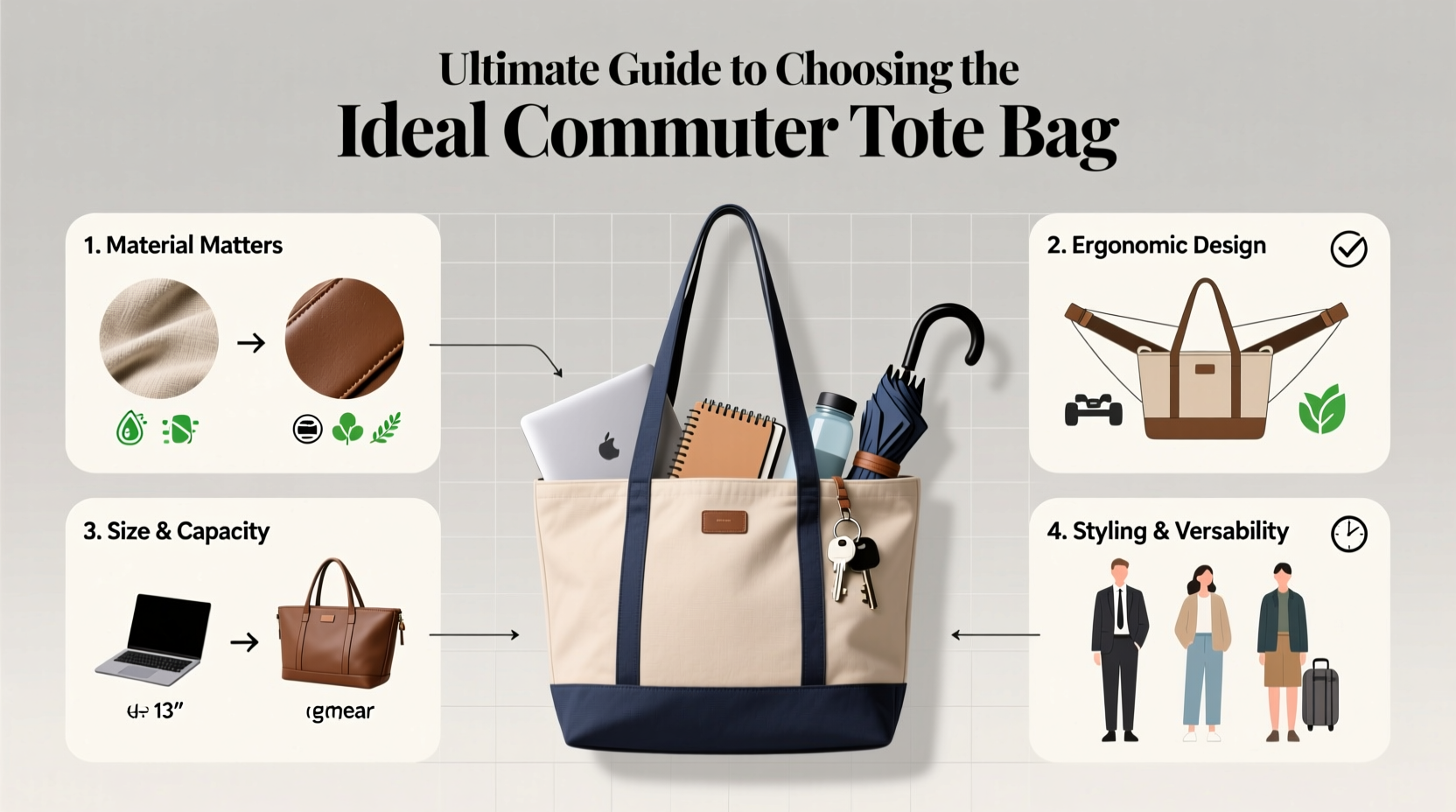
A successful commuter tote isn’t judged by aesthetics alone. It must perform under real-world conditions. The best options combine thoughtful design with high-quality materials. Here are the essential features to prioritize:
- Durability: Daily use demands resilience. Look for reinforced stitching, weather-resistant fabrics, and sturdy hardware.
- Weight distribution: A well-balanced bag reduces shoulder strain, especially during long walks or crowded commutes.
- Organization: Dedicated compartments for laptops, tablets, pens, and phones prevent chaos and save time.
- Closure type: Magnetic snaps, zippers, or flap closures help secure contents and protect against theft or spills.
- Size and capacity: Should comfortably fit a laptop (13–15”), notebook, water bottle, and personal items without becoming bulky.
Material Matters: What Works Best for Daily Commuting?
The fabric or leather used in your tote directly affects its longevity, weight, and maintenance needs. Each material has trade-offs depending on your environment and lifestyle.
| Material | Pros | Cons | Best For |
|---|---|---|---|
| Full-Grain Leather | Extremely durable, ages beautifully, water-resistant over time | Heavy, expensive, requires conditioning | Long-term investment; formal workplaces |
| Nylon or Ballistic Fabric | Lightweight, water-resistant, easy to clean | Less premium look, can show scuffs | Rainy climates; active commuters |
| Cotton Canvas | Breathable, casual aesthetic, affordable | Stains easily, not water-resistant | Creative industries; dry weather only |
| Recycled Polyester | Eco-friendly, durable, often water-repellent | Can feel synthetic, may retain odors | Sustainable-focused buyers |
“Durability starts with material integrity. A $300 leather tote might cost more upfront, but if it lasts ten years, it costs less per use than three $80 canvas bags.” — Lena Torres, Sustainable Fashion Consultant
Design Elements That Enhance Functionality
Even the most beautiful tote fails if it doesn’t support your workflow. Smart design details transform a simple bag into a productivity tool.
Laptop Protection
A padded, suspended laptop compartment prevents damage from bumps and drops. Avoid flimsy sleeves sewn directly into the lining—opt for structured, cushioned pockets with secure closures.
Interior Organization
Look for:
- Zippered security pocket for wallet or phone
- Pen holders and card slots
- Insulated sleeve for small food containers or bottles
- Key leash or clip to avoid digging at the bottom
Exterior Accessibility
Quick-access side pockets for water bottles, umbrellas, or transit cards reduce the need to open the main compartment in crowded spaces. Some premium totes include RFID-blocking pockets or hidden anti-theft zippers.
Carry Comfort
Wide, padded straps distribute weight evenly. Consider dual handles for briefcase-style carrying and a detachable crossbody strap for hands-free mobility. Bags over 5 lbs when loaded should never rely on thin, narrow straps.
Real-World Scenario: How Sarah Found Her Perfect Commute Companion
Sarah, a marketing manager in Seattle, walked 20 minutes to the office each morning and often worked remotely from cafes. Her old canvas tote looked chic but frayed after six months, lacked laptop padding, and had no place for her charger or earbuds. After her third bag failed within two years, she decided to invest in functionality.
She prioritized weather resistance due to frequent rain, needed space for a 14” laptop and lunch container, and wanted a professional appearance. After researching, she chose a recycled nylon tote with a roll-top closure, magnetic side pockets, and a breathable back panel. The bag included a removable shoulder strap and a built-in USB port (with internal cable routing). Two years later, it still looks and performs like new—even after countless drizzly mornings and weekend trips.
Sarah’s experience underscores a key truth: the best tote solves your specific problems, not just someone else’s idea of style.
Your Commuter Tote Selection Checklist
Before purchasing, verify the following:
- ✅ Fits your laptop snugly in a padded compartment
- ✅ Has at least one secure zippered interior pocket
- ✅ Includes exterior pockets for quick-access items
- ✅ Made from durable, weather-appropriate material
- ✅ Features reinforced handles and shoulder straps
- ✅ Weighs less than 2.5 lbs empty
- ✅ Offers a comfortable strap drop and balanced weight
- ✅ Matches your workplace dress code and personal style
- ✅ Comes with a warranty or repair policy
- ✅ Is easy to clean (spot-cleanable or machine-washable if fabric)
Frequently Asked Questions
Can a tote bag be both stylish and practical?
Absolutely. Many brands now blend minimalist aesthetics with technical functionality. Look for clean lines, neutral colors, and hidden organizational features. Designers like Dagne Dover, Bellroy, and Everlane specialize in this hybrid approach.
How do I clean and maintain my commuter tote?
Care depends on the material. Wipe leather with a damp cloth and condition quarterly. Spot-clean nylon with mild soap and water. Avoid machine washing unless explicitly stated. Always air-dry—never use direct heat.
Is a tote suitable for biking or public transit?
Yes, but consider added safety features. Reflective strips, compact silhouettes, and crossbody straps improve visibility and stability. Avoid oversized totes on crowded trains or bikes, as they can catch on doors or handlebars.
Final Thoughts: Invest in Your Daily Experience
Choosing the ideal commuter tote isn’t about chasing trends—it’s about making a deliberate decision to support your daily rhythm. The right bag reduces stress, protects valuable devices, and reflects your professionalism. It should feel like an extension of your routine, not a burden you adjust around.
Take the time to assess your commute, inventory your essentials, and test options in person when possible. Prioritize quality over quantity. A single well-chosen tote can serve you reliably for years, paying for itself in comfort, confidence, and convenience.




 浙公网安备
33010002000092号
浙公网安备
33010002000092号 浙B2-20120091-4
Comments
No comments yet. Why don't you start the discussion?