
3D minifigure keychains have evolved from simple novelty items into collectible accessories that blend personality, fandom, and craftsmanship. Whether you're a lifelong LEGO® enthusiast, a pop culture devotee, or someone looking for a unique gift, selecting the right keychain involves more than just picking your favorite character. The material, design accuracy, durability, and even how it feels in hand all contribute to long-term satisfaction. This guide breaks down everything you need to know to make an informed, stylish choice—without sacrificing quality.
Understanding Materials: What Your Keychain Is Made Of Matters
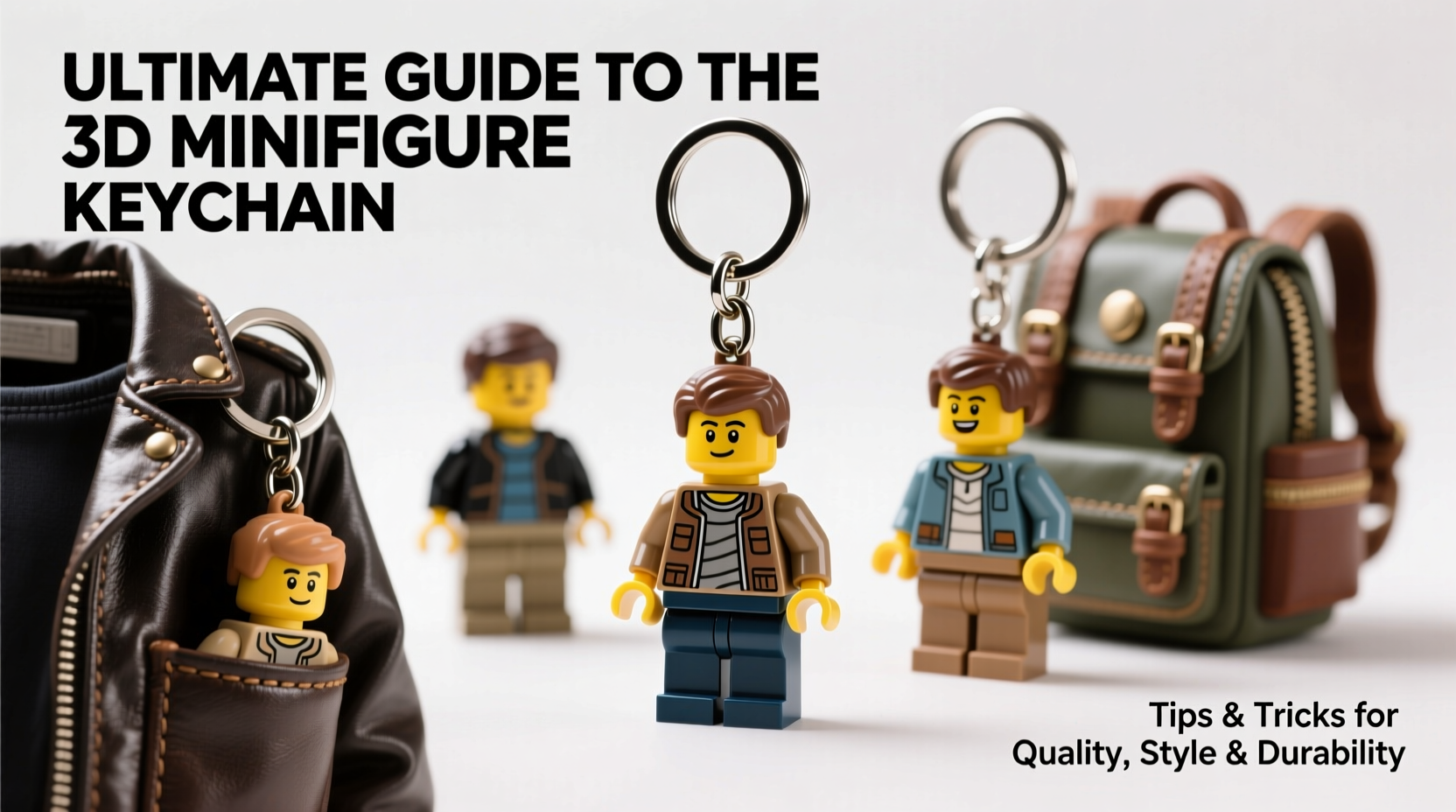
The foundation of any durable 3D minifigure keychain lies in its material composition. While many resemble classic plastic building blocks, not all are created equal. Common materials include ABS plastic, PVC, resin, and metal alloys—each with distinct advantages and drawbacks.
| Material | Pros | Cons |
|---|---|---|
| ABS Plastic | Durable, lightweight, colorfast, eco-friendly options available | Can crack under extreme pressure or temperature |
| PVC | Flexible, affordable, vibrant colors | Less rigid, may degrade over time with UV exposure |
| Resin | High detail, smooth finish, excellent for custom designs | Brittle if thin, heavier than plastic |
| Metal (Zinc Alloy) | Premium feel, scratch-resistant, long-lasting | Expensive, heavier, limited articulation |
For everyday carry, ABS plastic offers the best balance of resilience and weight. Resin models shine in display cases but may not withstand daily jostling on a keyring. If you prioritize heft and luxury, zinc alloy versions provide a satisfying tactile experience—but expect a higher price tag.
Design Accuracy and Detail Fidelity
A well-crafted 3D minifigure should mirror the character’s essence—not just in color, but in proportion, facial expression, and accessory details. Look closely at sculpting precision: Are the eyes symmetrical? Is the logo properly aligned? Does the hat sit flush with the head?
Licensed products from official partners (such as LEGO, Funko, or entertainment studios) typically maintain higher fidelity due to strict design guidelines. Unlicensed replicas might cut corners, using simplified molds or incorrect color palettes. For example, a Darth Vader minifig with a misaligned chest panel or dull black plastic lacks authenticity—even if it looks passable at first glance.
“Collectors don’t just buy a shape—they buy recognition. One misplaced detail can break immersion.” — Daniel Reyes, Toy Design Consultant at MiniForm Studios
Pay attention to paint applications. Hand-painted finishes on resin figures offer uniqueness but vary in consistency. Mass-produced plastic versions use pad printing, which is more uniform. If you’re gifting or collecting, opt for consistent reproduction over artistic variation unless customization is the goal.
Step-by-Step Guide to Selecting Your Ideal Keychain
Follow this five-step process to ensure your purchase aligns with both aesthetic preference and practical needs:
- Define Your Purpose: Will it be used daily, displayed, or gifted? Daily use demands durability; display allows for delicate artistry.
- Choose a Character or Theme: Focus on personal connection—favorite movie, game, superhero, or inside joke. Emotional resonance enhances value.
- Evaluate Material Suitability: Match material to usage. ABS for active lifestyles, metal for desk decor.
- Check Scale and Proportion: Most standard minifigs are 1.5–2 inches tall. Ensure it’s not too bulky for your keyring or bag.
- Verify Authenticity and Source: Buy from authorized retailers or verified artisans. Check reviews, packaging, and licensing marks.
Style Meets Functionality: Balancing Aesthetics and Practicality
A striking design means little if the keychain fails its basic function. Consider these often-overlooked elements:
- Attachment Mechanism: Swivel hooks last longer than fixed loops. Look for reinforced connector points between torso and hip.
- Weight Distribution: Top-heavy figures (like those with large helmets) can strain keyrings or snag in pockets.
- Edge Smoothness: Run your finger along seams. Sharp mold lines suggest poor finishing and potential wear on fabrics or fingers.
- Color Fastness: Dark reds and blues are prone to fading. UV-resistant coatings help preserve vibrancy.
Some brands incorporate functional upgrades: magnetic joints for poseability, hollow heads to store micro-items, or glow-in-the-dark elements. These features elevate utility without compromising charm.
Mini Case Study: Choosing a Gift for a Superfan
Sophia wanted to surprise her brother, a devoted Star Wars collector, with a custom 3D minifigure keychain of his self-designed Jedi character. She found dozens of options online but struggled with quality inconsistencies.
After researching forums and comparing seller ratings, she chose a small Etsy artisan known for high-resolution resin prints and hand-detailing. She provided concept art, confirmed scale (1.75\"), and requested a swivel clasp for durability. The final piece arrived with a certificate of authenticity, protective box, and UV-matte coating to prevent shine under lights.
Her brother uses it daily—and it’s become a conversation starter. By prioritizing craftsmanship over mass production, Sophia turned a simple accessory into a meaningful keepsake.
Do’s and Don’ts Checklist
To simplify decision-making, here’s a quick-reference checklist:
| Do | Don't |
|---|---|
| ✔ Choose licensed or artist-verified products | ✖ Buy ultra-cheap sets with blurry details |
| ✔ Inspect seam lines and joint strength | ✖ Ignore customer photos showing real-world wear |
| ✔ Opt for rounded edges if carrying frequently | ✖ Assume bigger = better; oversized keychains cause pocket wear |
| ✔ Store in a soft pouch when not in use | ✖ Leave in direct sunlight or hot cars |
Frequently Asked Questions
Are 3D printed minifigure keychains durable?
Yes, if printed with high-grade resins or durable nylons. However, they require careful handling. Avoid dropping them on hard surfaces, as internal stress points can lead to cracks. Properly finished prints with post-curing are significantly stronger than low-end PLA variants.
How do I clean my minifigure keychain?
Use a soft toothbrush and mild soapy water. Gently scrub crevices, rinse thoroughly, and air-dry. Never soak painted figures for extended periods. For metal versions, wipe with a dry microfiber cloth to prevent tarnishing.
Can I customize my own 3D minifigure keychain?
Absolutely. Many platforms like Shapeways, MyMiniFactory, or local 3D printing services allow you to upload designs or modify templates. Some artists even offer commission work based on avatars or original characters. Just confirm material options and scaling before ordering.
Final Thoughts: Make It Meaningful
The perfect 3D minifigure keychain isn’t just about brand names or popularity—it’s about alignment with your identity, lifestyle, and standards for quality. Whether you choose a sleek Batman in polished zinc or a whimsical anime character in matte-finish ABS, the right piece should spark joy every time you reach for your keys.
By applying these insights—assessing materials, verifying design integrity, and balancing form with function—you’ll avoid disappointment and build a collection that lasts. In a world of mass-produced accessories, your keychain can be a tiny masterpiece that speaks volumes.




 浙公网安备
33010002000092号
浙公网安备
33010002000092号 浙B2-20120091-4
Comments
No comments yet. Why don't you start the discussion?