
Winter footwear often comes with a trade-off: warmth versus breathability. Many snow boots excel at keeping cold out but trap moisture inside, leading to sweaty, clammy feet and even frostbite in extreme conditions. The key to comfort in snowy climates isn’t just insulation—it’s balance. A truly effective snow boot must repel external moisture while allowing internal vapor (sweat) to escape. This guide breaks down what makes a snow boot breathable, how to identify high-performance models, and what features matter most when choosing a pair that keeps you warm, dry, and comfortable all season long.
Why Breathability Matters in Snow Boots
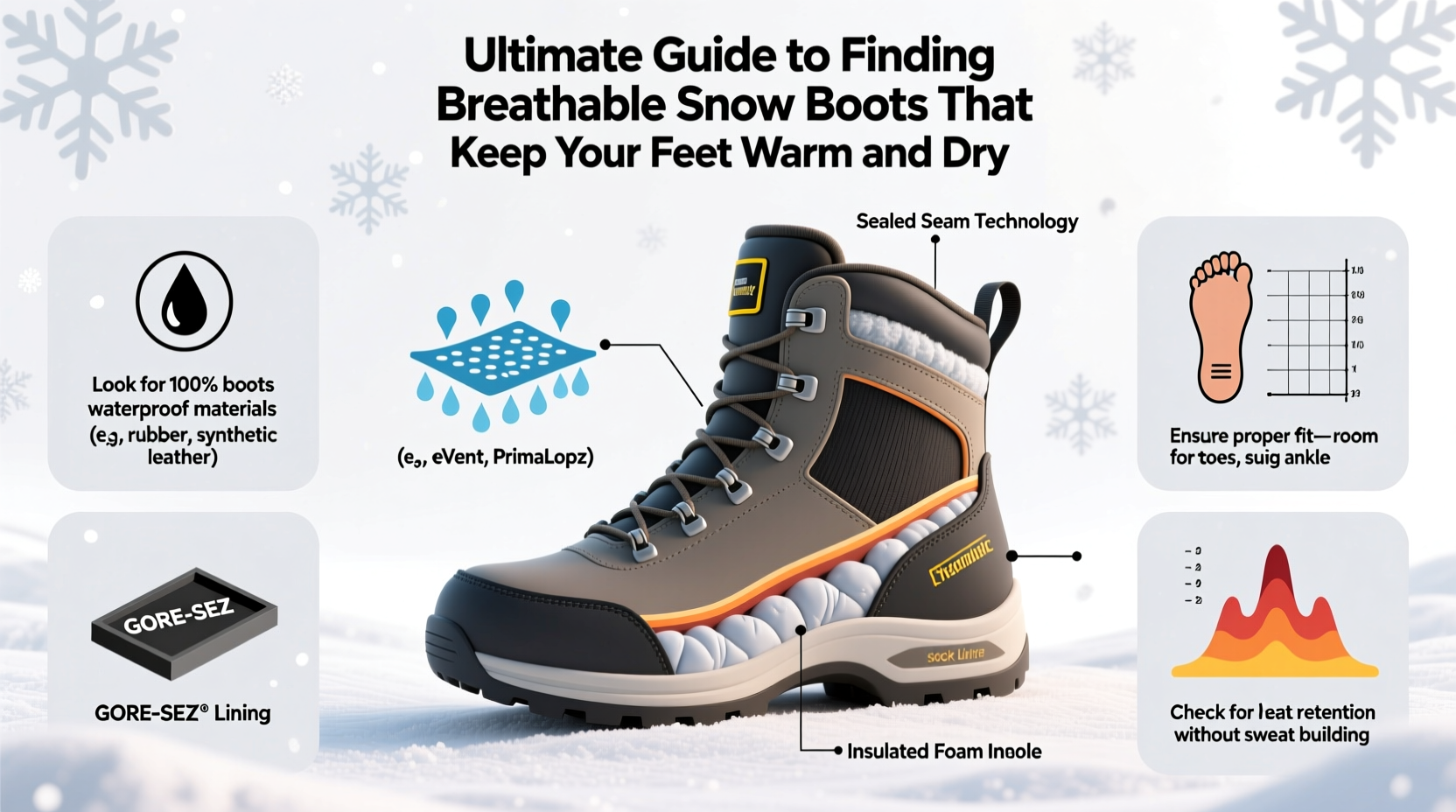
Most people assume that thick insulation and waterproofing are enough for winter boots. But without proper breathability, those same features can backfire. When your feet sweat—and they will, even in cold weather—that moisture gets trapped inside non-breathable materials. Wet socks reduce insulation efficiency by up to 90%, increasing the risk of cold-related injuries like trench foot or frostbite.
Breathability refers to a material’s ability to allow water vapor to pass through while blocking liquid water. In snow boots, this means letting sweat evaporate instead of pooling inside the boot. High breathability prevents overheating during activity and reduces post-walk dampness, which leads to longer wear times, less odor, and better overall foot health.
Key Features of Breathable Snow Boots
Not all “waterproof” boots are created equal. To ensure breathability without sacrificing protection, focus on these five core components:
- Membrane Technology: Gore-Tex, eVent, and proprietary membranes like Columbia’s Omni-Heat Reflective are engineered to block liquid water while permitting vapor transmission. Gore-Tex is widely regarded as the gold standard, offering reliable waterproofing and moderate breathability.
- Insulation Type: Avoid excessive synthetic fill. Instead, opt for advanced materials like PrimaLoft Silver Eco or Thinsulate Ultra, which provide high warmth-to-weight ratios and resist compaction. These insulations retain warmth even when slightly damp and don’t hinder airflow as much as bulky alternatives.
- Lining Materials: Moisture-wicking linings made from merino wool or polyester blends help draw sweat away from the foot. Avoid PVC or rubber-lined interiors—they’re impermeable and trap humidity.
- Ventilation Zones: Some performance boots include micro-perforations near the ankle or tongue to enhance airflow without compromising weather resistance. <5> Outsole Design: While not directly related to breathability, a lug sole with good traction allows quicker movement, reducing exertion and thus lowering sweat production.
Do’s and Don’ts When Evaluating Breathability
| Do | Don’t |
|---|---|
| Check for labeled breathable membranes (e.g., Gore-Tex, eVent) | Assume “waterproof” means breathable |
| Look for mesh or knit collar panels that allow airflow | Choose boots with full rubber uppers covering the entire shaft |
| Select mid-cut boots over tall, sealed designs for better circulation | Wear cotton socks—they absorb moisture and dry slowly |
| Test boots indoors first to assess ventilation under mild exertion | Rely solely on brand reputation; verify specs independently |
How to Choose the Right Boot for Your Climate and Activity
Your ideal breathable snow boot depends heavily on how and where you use it. Urban commuters face different challenges than backcountry hikers or parents walking kids to school in subzero temperatures.
- City Use: Prioritize lightweight construction, flexible soles, and discreet styling. Models like Sorel Joan of Arctic Lux or Blundstone Thermal Chelsea offer breathability through partial membrane use and wool-blend linings, suitable for short walks and occasional slush exposure.
- Active Outdoor Use: For hiking, shoveling, or extended time outside, choose full-membrane boots with durable uppers. The Oboz Bridger Insulated Waterproof Boot uses B-Dry membrane and 200g insulation, balancing warmth and vapor transfer effectively.
- Extreme Cold: In temperatures below -20°F (-29°C), prioritize vapor barrier liners over maximum breathability. However, layering smartly—using a thin wicking sock and a breathable outer boot—can still manage moisture. Consider double-boot systems like those from Baffin or Sorel’s Glacier line.
“Breathability isn’t optional in winter footwear—it’s essential for thermal regulation. Feet generate more heat and sweat than most realize, especially during motion.” — Dr. Lena Patel, Podiatrist & Cold Weather Mobility Researcher
Step-by-Step Guide to Testing and Maintaining Breathable Snow Boots
Finding the right boot is only half the battle. Proper testing and maintenance preserve breathability over time.
- Research Specifications: Before purchasing, confirm the presence of a breathable membrane and avoid vague terms like “weather-resistant.” Check manufacturer websites for technical data sheets.
- Try Them On With Winter Socks: Wear the same socks you plan to use in winter. Walk around for at least 15 minutes. Pay attention to warmth buildup and any stuffiness.
- Simulate Real Conditions: Walk briskly indoors or on a treadmill wearing the boots. If your feet feel humid within 20 minutes, breathability may be inadequate.
- Clean Regularly: Dirt and salt residue clog pores in membranes. Clean boots monthly with a soft brush and manufacturer-approved cleaner. Never machine wash.
- Reapply Durable Water Repellent (DWR): Over time, the outer fabric loses its ability to shed water, causing “wetting out,” which blocks breathability. Re-treat every 4–6 weeks using a spray-on DWR like Nikwax TX.Direct.
- Store Correctly: Keep boots in a cool, dry place with cedar inserts to absorb residual moisture. Avoid sealing them in plastic bags.
Real-World Example: Commuter vs. Hiker Needs
Sarah, a teacher in Minneapolis, struggled each winter with her popular-brand snow boots. Despite being “fully waterproof,” her feet were constantly damp after her 10-minute walk to school. She switched to a pair with a Gore-Tex lining and lighter 100g insulation. Though slightly less insulated, the new boots featured a knitted collar and mesh tongue. Her feet stayed drier, warmer, and odor-free—even during rush-hour walks.
In contrast, Mark, an avid snowshoer in Vermont, needed more protection. He chose a stiff, high-cut boot with 400g Thinsulate and an eVent liner. During a six-mile trek, his feet remained dry despite heavy exertion. The advanced membrane allowed sweat to escape while blocking snow ingress. His old non-membrane boots had soaked through internally due to trapped condensation.
The difference? Both prioritized breathability—but tailored it to their specific activity level and exposure duration.
FAQ
Can breathable snow boots still keep my feet warm?
Absolutely. Modern breathable membranes are paired with efficient insulation technologies that retain heat without trapping moisture. In fact, dry feet stay warmer than wet ones, even with slightly less insulation.
Are leather snow boots breathable?
Natural leather is moderately breathable, but untreated leather absorbs water. Full-grain leather boots treated with DWR and lined with a breathable membrane (like many Wolverine or Red Wing winter models) offer excellent vapor transfer and durability.
Do I need to replace my snow boots if they stop feeling breathable?
Not necessarily. Often, reduced breathability results from clogged surface finishes or degraded DWR. Cleaning and reapplying a water-repellent treatment can restore performance. Replace only if the membrane is visibly damaged or delaminated.
Final Checklist Before Buying
- ✅ Confirmed breathable membrane (Gore-Tex, eVent, etc.)
- ✅ Moisture-wicking interior lining (wool or synthetic)
- ✅ Appropriate insulation level for your climate and activity
- ✅ Durable yet flexible upper with ventilation zones
- ✅ Positive user reviews mentioning breathability and lack of sweating
- ✅ Compatible with quality winter socks (avoid cotton)
Stay Warm, Stay Dry, Stay Moving
The best snow boots don’t just protect you from the elements—they work with your body’s natural thermoregulation. Breathability ensures that warmth stays in and moisture moves out, creating a balanced microclimate for your feet. Whether you're navigating icy sidewalks or trekking through deep powder, choosing a boot that supports both dryness and airflow transforms winter from a season of discomfort into one of confident mobility.




 浙公网安备
33010002000092号
浙公网安备
33010002000092号 浙B2-20120091-4
Comments
No comments yet. Why don't you start the discussion?