
Polyurethane (PU) crossbody bags have earned their place in modern wardrobes—offering the sleek appearance of leather at a fraction of the cost, while remaining cruelty-free and durable. But despite their resilience, PU bags are prone to scratches, scuffs, and surface degradation when not properly cared for. Unlike genuine leather, which develops a patina over time, PU tends to peel or crack when damaged, making prevention essential. With the right habits, your favorite crossbody can stay pristine for years. This guide delivers practical, tested strategies to protect your investment and maintain that just-bought shine.
Understanding PU Material: Strengths and Vulnerabilities
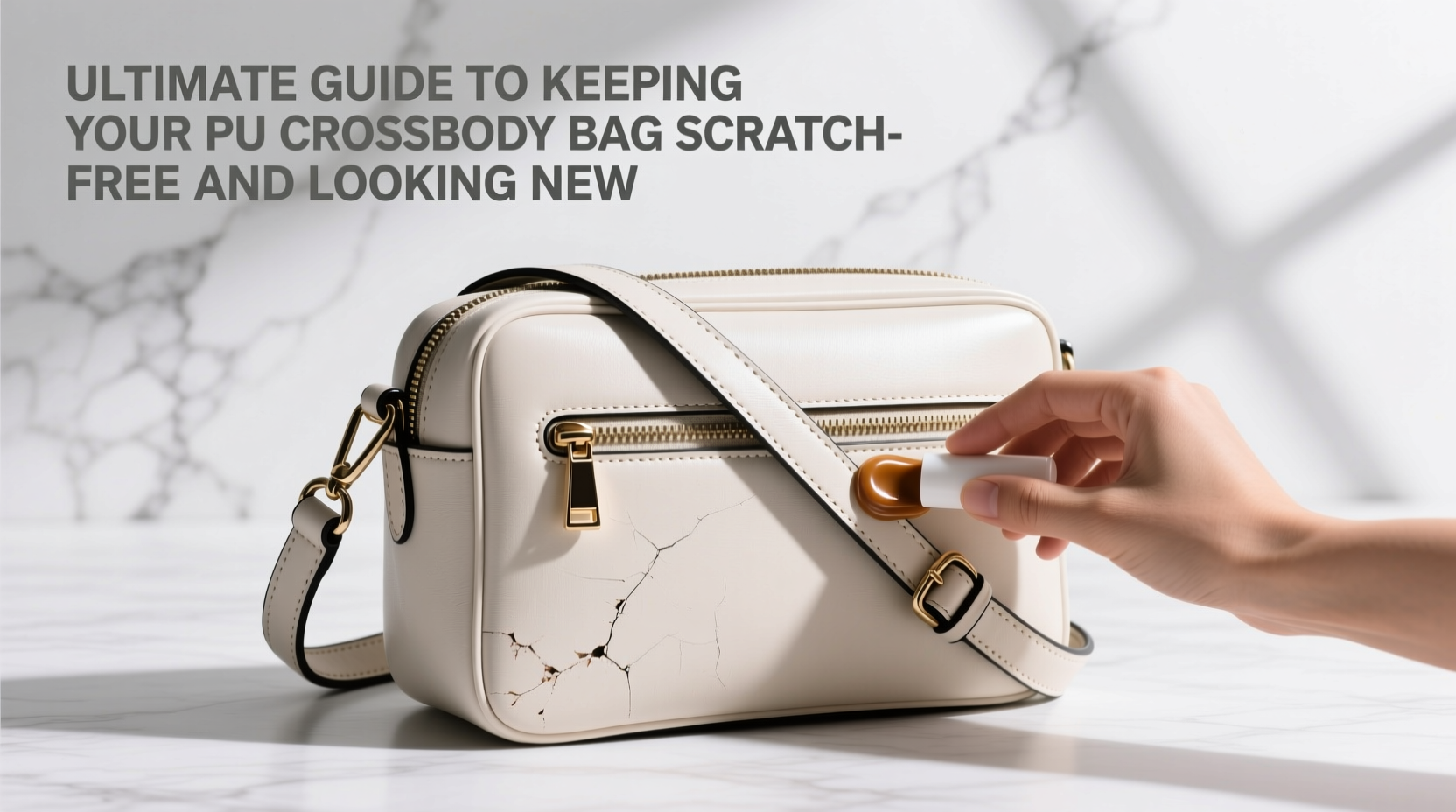
PU is a synthetic material engineered to mimic real leather. It consists of a fabric backing coated with a polyurethane layer, giving it flexibility, water resistance, and a soft hand feel. While more affordable and eco-conscious than animal leather, PU has specific weaknesses:
- Surface Sensitivity: The outer coating can scratch easily from contact with rough surfaces, keys, or zippers.
- UV Degradation: Prolonged exposure to sunlight breaks down the polymer bonds, leading to fading and brittleness.
- Heat Reaction: High temperatures can cause the coating to bubble or delaminate from the base fabric.
- Limited Breathability: Trapped moisture may weaken adhesion between layers over time.
Knowing these limitations allows you to take preventive action before damage occurs. Unlike natural materials, PU doesn’t self-repair—once scratched, the mark often remains unless professionally treated.
“Many people assume PU is ‘maintenance-free’ because it’s synthetic. That couldn’t be further from the truth. Surface care is non-negotiable if you want longevity.” — Lena Ruiz, Sustainable Accessory Designer
Daily Habits to Prevent Scratches and Scuffs
Most damage happens gradually through routine use. Adopting mindful daily practices significantly reduces wear and tear.
1. Avoid Contact with Rough Surfaces
Never place your bag directly on concrete, gravel, or abrasive flooring. Even brief contact with brick walls or textured tables can leave micro-scratches. Always use a clean tray, towel, or chair back when setting it down.
2. Keep Contents Organized
Loose keys, pens, or metal objects inside the bag rub against the lining and outer walls, causing internal abrasions that eventually show through. Use small pouches or key holders to contain hard items.
3. Rotate Your Bags
Wearing the same crossbody every day accelerates wear on stress points like strap joints and corners. Rotating between two or three bags distributes use and gives each piece time to rest and recover shape.
4. Be Mindful of Clothing and Jewelry
Zippers, rivets, or embellishments on jackets and jeans act like sandpaper over time. Similarly, chunky bracelets or rings can catch on the surface. Adjust how you carry the bag—across the chest rather than dangling at the hip—to minimize accidental snags.
The Right Way to Clean and Condition Your PU Bag
Cleaning isn’t just about removing dirt—it’s about preserving the protective coating. Incorrect methods strip the surface, leaving it dull and vulnerable.
Step-by-Step Cleaning Process
- Empty and Shake Out: Remove all contents and gently shake to dislodge dust and debris.
- Dust Removal: Use a dry microfiber cloth to wipe down all surfaces. For crevices, a soft-bristled toothbrush works well.
- Spot Cleaning: Dampen a corner of the cloth with lukewarm water. Gently wipe stained areas in circular motions. Never soak the material.
- Stain Treatment: For oil-based marks, use a tiny amount of mild soap (like dish liquid diluted in water). Apply sparingly and wipe immediately with a damp, then dry cloth.
- Drying: Air-dry away from direct heat or sunlight. Do not use a hairdryer or heater.
- Protection: Once dry, apply a PU-safe protectant spray to reinforce the surface.
Proper Storage: The Key to Long-Term Appearance
How you store your bag when not in use is just as important as how you use it. Poor storage leads to warping, discoloration, and surface damage.
| Do’s | Don’ts |
|---|---|
| Store in a cool, dry place away from windows | Leave in direct sunlight or near radiators |
| Use a breathable cotton dust bag | Store in plastic bags (traps moisture) |
| Stuff lightly with tissue paper to maintain shape | Overstuff or use newspaper (ink transfers) |
| Hang by the body, not the strap, to prevent stretching | Leave on sharp hooks or overcrowded shelves |
Ideally, keep your bag in a closet with consistent temperature and low humidity. Avoid attics, basements, or cars—extreme environments degrade PU quickly.
Real-Life Example: How Sarah Preserved Her Favorite Bag for 3 Years
Sarah, a freelance designer in Portland, bought a cream-colored PU crossbody that quickly became her everyday staple. After six months, she noticed fine scratches along the front flap and minor peeling near the zipper pull. Concerned, she researched care techniques and implemented a simple system:
- She began using a fabric pouch for her keys.
- She wiped the bag weekly with a dry microfiber cloth.
- She stored it in a cotton pillowcase inside her bedroom drawer.
- Every three months, she applied a PU conditioner spray.
Two and a half years later, the bag still looks nearly new. “I get compliments all the time,” she says. “People assume it’s real leather. All it took was consistency.”
Essential Care Checklist
Follow this monthly checklist to keep your PU crossbody in top condition:
- ✅ Wipe down with a dry microfiber cloth
- ✅ Inspect for early signs of peeling or scratches
- ✅ Empty and reorganize contents
- ✅ Check straps and stitching for wear
- ✅ Reapply PU protectant spray
- ✅ Rotate out for at least 48 hours of rest
- ✅ Confirm storage area is dry and dark
Frequently Asked Questions
Can I repair scratches on my PU bag?
Minor surface scratches may be minimized with a PU-specific polish or touch-up pen designed for synthetic leather. However, deep scratches that penetrate the coating cannot be fully repaired at home. Prevention is far more effective than correction.
Is it safe to use a waterproofing spray on PU?
Yes—but only sprays labeled safe for synthetic or faux leather. Avoid silicone-heavy formulas, which can create a sticky residue. Test on a small, hidden area first to ensure no discoloration occurs.
How often should I deep clean my PU crossbody?
A light wipe-down once a week is ideal. A deeper clean—using water and mild soap—should be done every 2–3 months, or immediately after exposure to spills or stains.
Final Thoughts: Small Efforts, Lasting Results
Your PU crossbody bag doesn’t need elaborate rituals to stay beautiful—just consistent, thoughtful care. By avoiding common hazards, cleaning gently, storing wisely, and inspecting regularly, you preserve both appearance and function. These habits require minimal time but deliver maximum return in longevity and pride of ownership.




 浙公网安备
33010002000092号
浙公网安备
33010002000092号 浙B2-20120091-4
Comments
No comments yet. Why don't you start the discussion?