
Homemade jerky is more than just a snack—it's an experience. When made right, it delivers deep, savory flavor, satisfying chew, and long shelf life without preservatives. While store-bought versions often rely on sugar, sodium, and artificial ingredients, crafting your own jerky in a smoker allows complete control over taste, texture, and quality. This guide walks you through every step—from selecting meat to mastering smoke profiles—so you can consistently produce restaurant-quality jerky at home.
Selecting the Right Meat and Cut
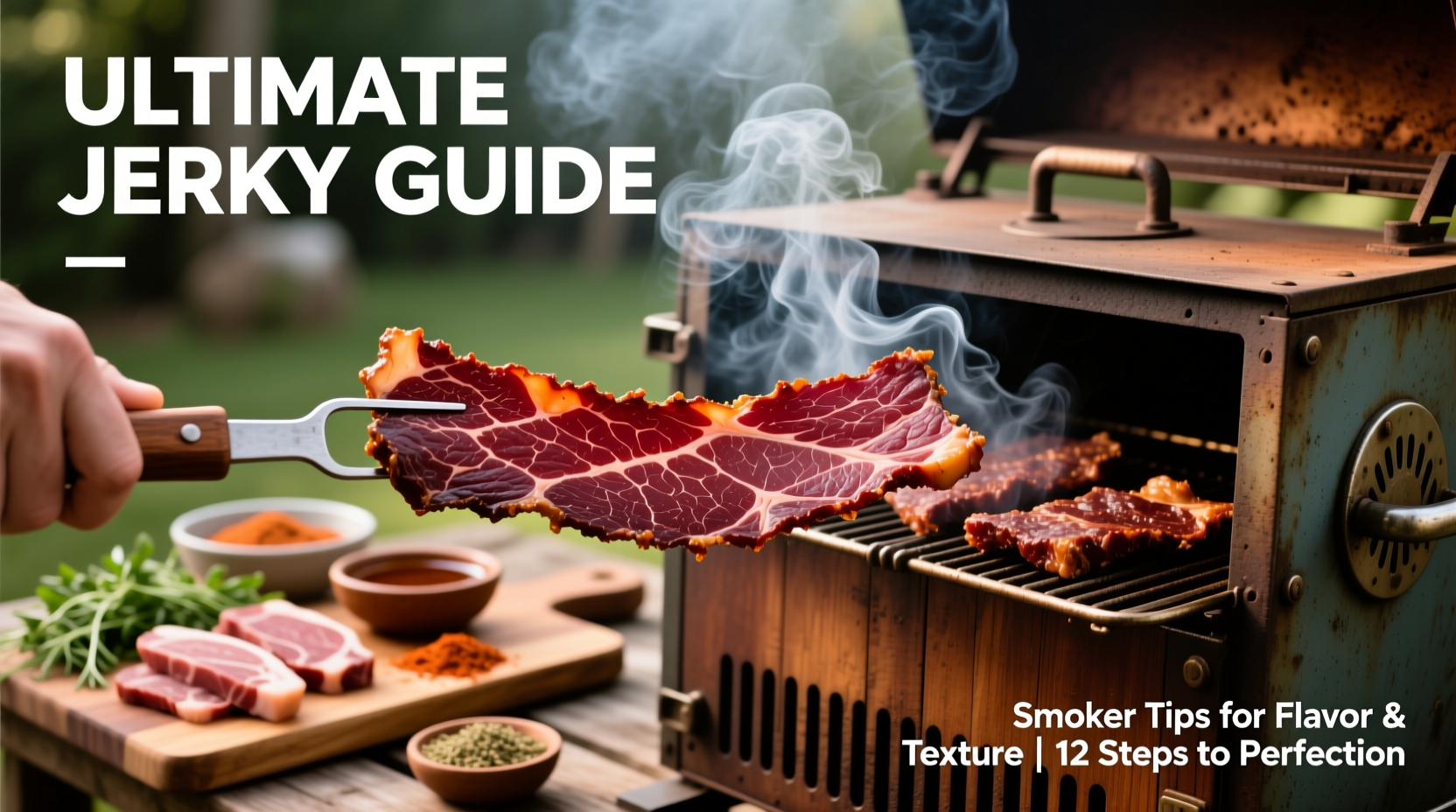
The foundation of great jerky starts with high-quality meat. Lean cuts are essential because fat doesn’t dehydrate well and can turn rancid during storage. For beef, opt for top round, eye of round, or flank steak. These cuts offer minimal marbling and uniform grain, making them ideal for slicing thinly and drying evenly.
For game meats like venison or elk, ensure proper field dressing and aging to enhance tenderness. Poultry such as turkey breast also works well but requires slightly different handling due to lower fat content and quicker moisture loss.
Slice against the grain for tender jerky or with the grain for a tougher, more traditional chew. Aim for consistent thickness—¼ inch is ideal. Use a sharp knife or a deli slicer if available.
Marinade Science: Balancing Flavor and Preservation
A marinade does more than add flavor—it tenderizes, preserves, and enhances texture. The key components include acid, salt, sugar, liquid smoke (optional), and spices. Each plays a functional role:
- Acid (vinegar, Worcestershire, citrus juice): Breaks down muscle fibers for better absorption and tenderness.
- Salt: Essential for preservation and flavor enhancement. Consider using curing salt (Prague Powder #1) for longer shelf stability, especially if storing beyond two weeks.
- Sugar (brown sugar, honey, maple syrup): Balances saltiness and promotes surface browning. Too much leads to burning in the smoker.
- Liquid smoke: Optional, but useful when time is limited or smoke penetration is inconsistent.
“Balance is everything. A jerky marinade should enhance, not overpower. I recommend no more than 12 hours for optimal texture.” — Chef Marcus Reed, Artisan Cured Meats Instructor
Marinate for 6–12 hours in the refrigerator. Avoid exceeding 24 hours, which can make the meat mushy due to prolonged acid exposure. Use non-reactive containers like glass or food-grade plastic.
Smoking Process: Temperature, Time, and Smoke Density
The smoker transforms seasoned meat into jerky through controlled dehydration and flavor infusion. Success hinges on three factors: temperature control, airflow, and smoke quality.
Begin with a preheat of 160°F (71°C) to quickly raise the internal temperature of the meat past the danger zone (40–140°F). After one hour, increase to 175°F (80°C) and maintain that range for 4–6 hours. Internal meat temperature should reach at least 160°F to ensure pathogens are destroyed.
| Meat Type | Smoker Temp | Time (Avg) | Wood Pairing |
|---|---|---|---|
| Beef | 160–175°F | 5–6 hours | Hickory, Oak, Mesquite |
| Venison | 160–175°F | 4–5 hours | Apple, Cherry, Pecan |
| Turkey | 160–170°F | 3–4 hours | Cherry, Maple |
Use dry, aged hardwood chunks or chips. Green wood produces thick, acrid smoke that imparts bitterness. Thin blue smoke—not billowing white—is the goal. Maintain steady airflow to prevent creosote buildup.
Step-by-Step Guide to Smoking Jerky
- Prepare meat: Trim excess fat, slice uniformly, and pat dry.
- Create marinade: Mix acid, salt, sugar, spices, and optional liquid smoke. Adjust for heat, sweetness, or umami (e.g., soy sauce, fish sauce).
- Marinate: Refrigerate meat in marinade 6–12 hours with occasional turning.
- Pre-dry (optional): Place strips on a rack and air-dry in fridge for 1–2 hours to form a tacky pellicle—this improves smoke adhesion.
- Load smoker: Arrange strips with space between them for airflow. Use stainless steel racks or hang with hooks.
- Smoke: Start at 160°F for first hour, then raise to 175°F. Monitor with a digital thermometer.
- Test doneness: Bend a piece—it should crack but not snap. Moisture should be gone, but the center shouldn’t be raw.
- Cool and store: Let cool completely before packaging to avoid condensation.
Avoiding Common Mistakes: Do’s and Don’ts
Even experienced smokers make errors that compromise jerky quality. Learn from these frequent pitfalls.
| Do | Don't |
|---|---|
| Use lean, fresh meat | Use fatty cuts like ribeye or brisket point |
| Pat strips dry before smoking | Overcrowd the smoker racks |
| Rotate trays halfway through | Open the smoker frequently |
| Store in vacuum-sealed bags or mason jars | Store warm jerky in airtight containers |
| Label and date each batch | Assume all jerky lasts indefinitely |
Real Example: From Failed Batch to Award-Winning Recipe
Home smoker Ryan Thompson in Austin, Texas, struggled for months with inconsistent jerky. His early batches were either too salty or burned on the edges. He experimented with higher sugar content, only to find his jerky caramelizing too fast at 180°F.
After researching low-and-slow methods, he adjusted his process: reduced sugar by half, used cherry wood instead of hickory, and started at 160°F. He also began pre-drying the strips overnight in the fridge. The result? A tender, smoky-sweet jerky that won second place at his local barbecue festival’s amateur category. “It wasn’t one change,” he said. “It was respecting the balance between time, heat, and seasoning.”
Storage and Shelf Life Tips
Proper storage determines how long your jerky remains safe and tasty. Homemade jerky lacks commercial preservatives, so shelf life is shorter.
- Room temperature: Up to 1 week in a sealed container away from sunlight.
- Refrigerated: 2–3 weeks.
- Freezer: Up to 6 months in vacuum-sealed bags.
Always inspect for mold, off smells, or sliminess before eating. If in doubt, discard.
Frequently Asked Questions
Can I use a pellet grill for jerky?
Yes. Pellet grills offer excellent temperature control and consistent smoke. Use the smoke or low setting (160–180°F) and choose mild wood blends like apple or alder to avoid overpowering the meat.
Why is my jerky too tough?
Over-drying is the most common cause. Check pieces earlier than expected—especially near vents or heating elements where airflow is strongest. Also, slicing too thick or with the grain increases chewiness.
Is curing salt necessary?
Not required for short-term consumption, but recommended if you plan to store jerky beyond 10 days or gift it. Prague Powder #1 (6.25% sodium nitrite) inhibits botulism and extends freshness.
Mastery Through Practice
Perfect jerky isn’t achieved in a single batch. It comes from understanding how variables interact—meat thickness, marinade composition, smoker behavior, and ambient humidity. Keep a log of each run: note time, temperature, wood type, and outcome. Over time, patterns emerge, and refinement becomes instinctive.
Whether you're fueling hikes, packing school lunches, or gifting to friends, homemade smoked jerky offers unmatched satisfaction. With attention to detail and respect for the craft, you’ll create a product that surpasses anything found on grocery shelves.




 浙公网安备
33010002000092号
浙公网安备
33010002000092号 浙B2-20120091-4
Comments
No comments yet. Why don't you start the discussion?