
Small square bags have become a staple in modern wardrobes—chic, structured, and effortlessly stylish. But their sharp lines and defined corners are vulnerable to slumping, creasing, and distortion if not cared for properly. Unlike slouchy totes or soft crossbodies, these bags rely on form to maintain their aesthetic appeal. Over time, improper storage, overloading, or exposure to moisture can compromise their silhouette. The good news: with the right techniques, you can preserve their structure for years—and even restore a misshapen bag to its original crispness.
Why Shape Matters in Small Square Bags
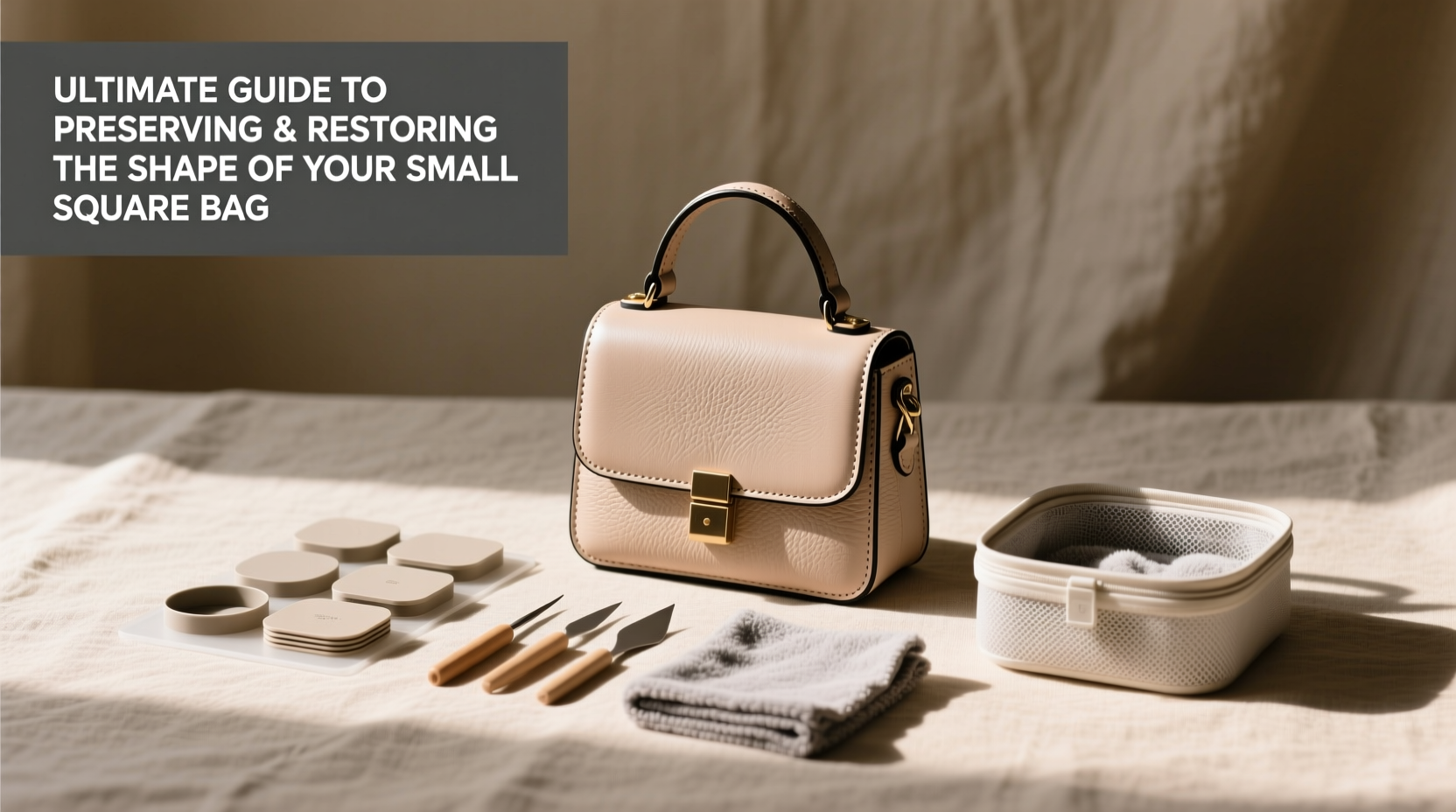
The architectural design of a small square bag is intentional. Its clean edges, boxy base, and upright posture contribute significantly to its visual balance and functionality. When the shape collapses, the bag not only looks worn but may also lose internal organization and durability. Materials like structured leather, vegan leather, or stiffened fabric hold form better, but all are susceptible to stress over time.
Shape degradation typically begins subtly—a slight inward curve at the sides, a sagging bottom, or warped corners. Left unchecked, this leads to permanent deformation. Prevention is always easier than restoration, which makes consistent maintenance essential.
“Structure is the soul of a square bag. Once it loses its form, it loses its identity.” — Lena Moreau, Handbag Conservator & Restoration Specialist
Step-by-Step Guide to Preserving Bag Shape
Maintaining the integrity of your bag starts the moment you unbox it. Follow this timeline-based approach to ensure longevity:
- Day 1 – Initial Setup: Remove all packaging materials. Gently reshape the bag by hand, pressing out any folds from transit. Insert a light stuffing (tissue paper or soft cloth) to support the interior.
- Weekly – Surface Maintenance: Wipe down the exterior with a dry microfiber cloth. For leather, apply a conditioning cream every 4–6 weeks to prevent drying and cracking.
- After Each Use – Empty and Inspect: Never store a bag when full. Remove all contents, check for stains or moisture, and allow it to air briefly in a ventilated area.
- Monthly – Deep Check: Assess the bag’s structure. Is the base still flat? Are the corners standing upright? Adjust stuffing if needed.
- Seasonally – Rotate and Reassess: If you own multiple bags, rotate usage. Store off-season pieces properly to reduce wear.
Proper Storage: Do’s and Don’ts
How you store your bag has a direct impact on its lifespan. Many people unknowingly damage their accessories through poor storage habits. Below is a comparison of recommended practices versus common mistakes.
| Do’s | Don’ts |
|---|---|
| Store upright in a dust bag | Lay flat or upside down |
| Use acid-free tissue or soft fabric for stuffing | Overstuff with heavy items |
| Keep in a cool, dry place away from sunlight | Leave near windows or heaters |
| Hang only if designed with a strap for it | Hang by delicate chains or thin handles |
| Place on a shelf with space around it | Squeeze between other bags or books |
Never use plastic bags for long-term storage—they trap moisture and encourage mold growth, especially in humid climates. Instead, opt for breathable cotton dust bags, which protect against dust while allowing airflow.
Restoring a Misshapen Bag: A Real Example
Claire, a fashion editor in London, noticed her favorite black vegan-leather square bag had begun to slump after six months of daily use. The base had developed a concave dip, and one corner folded inward no matter how she stuffed it. She avoided wearing it, assuming it was beyond repair.
She consulted a handbag restoration service, where the technician used a gentle reshaping method: the bag was cleaned, then filled with custom-cut foam inserts that applied outward pressure to the weakened areas. It remained in this state for 72 hours. Afterward, the structure was nearly perfect. Claire now uses a permanent insert and stores the bag upright with proper stuffing.
This case illustrates that even moderate deformation can be reversed—if caught early and handled correctly.
DIY Restoration Techniques
For minor shape loss, try these at-home methods:
- Steam Reshaping (for non-leather): Hold a garment steamer 6 inches from the bag and gently steam the affected area. Then, reshape by hand and stuff firmly. Do not soak the material.
- Heat + Pressure (for synthetic materials): Use a hairdryer on low heat to warm softened areas, then press into shape and hold with clamps or books for 20 minutes.
- Internal Reinforcement: Cut a thin piece of cardboard or EVA foam to fit the base. Slide it inside to provide structural support.
Essential Care Checklist
To keep your small square bag looking pristine, follow this actionable checklist:
- ✅ Clean the exterior monthly with a suitable cleaner for the material.
- ✅ Condition leather every 4–6 weeks.
- ✅ Always remove contents before storage.
- ✅ Stuff the bag with tissue paper or soft cloths when not in use.
- ✅ Store in a dust bag, upright, away from sunlight.
- ✅ Avoid overloading—carry only essentials.
- ✅ Rotate usage if you have multiple structured bags.
- ✅ Inspect seams and corners quarterly for signs of wear.
Frequently Asked Questions
Can I use newspaper to stuff my bag?
While newspaper works in a pinch, it’s not ideal. Ink can transfer onto light-colored linings, and the paper compacts too quickly, losing supportive volume. Acid-free tissue paper or soft scarves are safer, more effective options.
How do I prevent the corners from rounding?
Corners weaken due to repeated pressure or lack of internal support. To prevent rounding, ensure consistent stuffing and avoid placing the bag on rough surfaces. Some luxury brands include rigid corner guards—consider adding aftermarket stabilizers if yours lacks them.
Is it safe to store my bag in its original box?
Only if the box is made of breathable material and stored in a climate-controlled environment. Cardboard can absorb moisture and harbor mold. If using a box, leave the lid slightly open and place silica gel packets inside to control humidity.
Final Thoughts: Shape Is Sustainability
A well-maintained bag isn’t just about appearance—it’s an act of sustainability. By preserving the shape of your small square bag, you extend its usable life, reduce waste, and honor the craftsmanship behind its design. These accessories are investments, not disposables. With mindful handling, appropriate storage, and timely intervention when shape begins to falter, you can enjoy your favorite piece for years to come.




 浙公网安备
33010002000092号
浙公网安备
33010002000092号 浙B2-20120091-4
Comments
No comments yet. Why don't you start the discussion?