
Classic designer handbags are more than fashion accessories—they're investments. From the timeless Chanel 2.55 to the iconic Hermès Birkin, these pieces retain value, influence trends, and carry a legacy of craftsmanship. But with a booming resale market and increasingly sophisticated counterfeits, knowing how to recognize and authenticate them is essential. Whether you're a collector, reseller, or first-time buyer, understanding the subtle details that separate genuine luxury from imitation can protect your purchase and preserve your confidence.
Understanding What Makes a Bag \"Classic\"
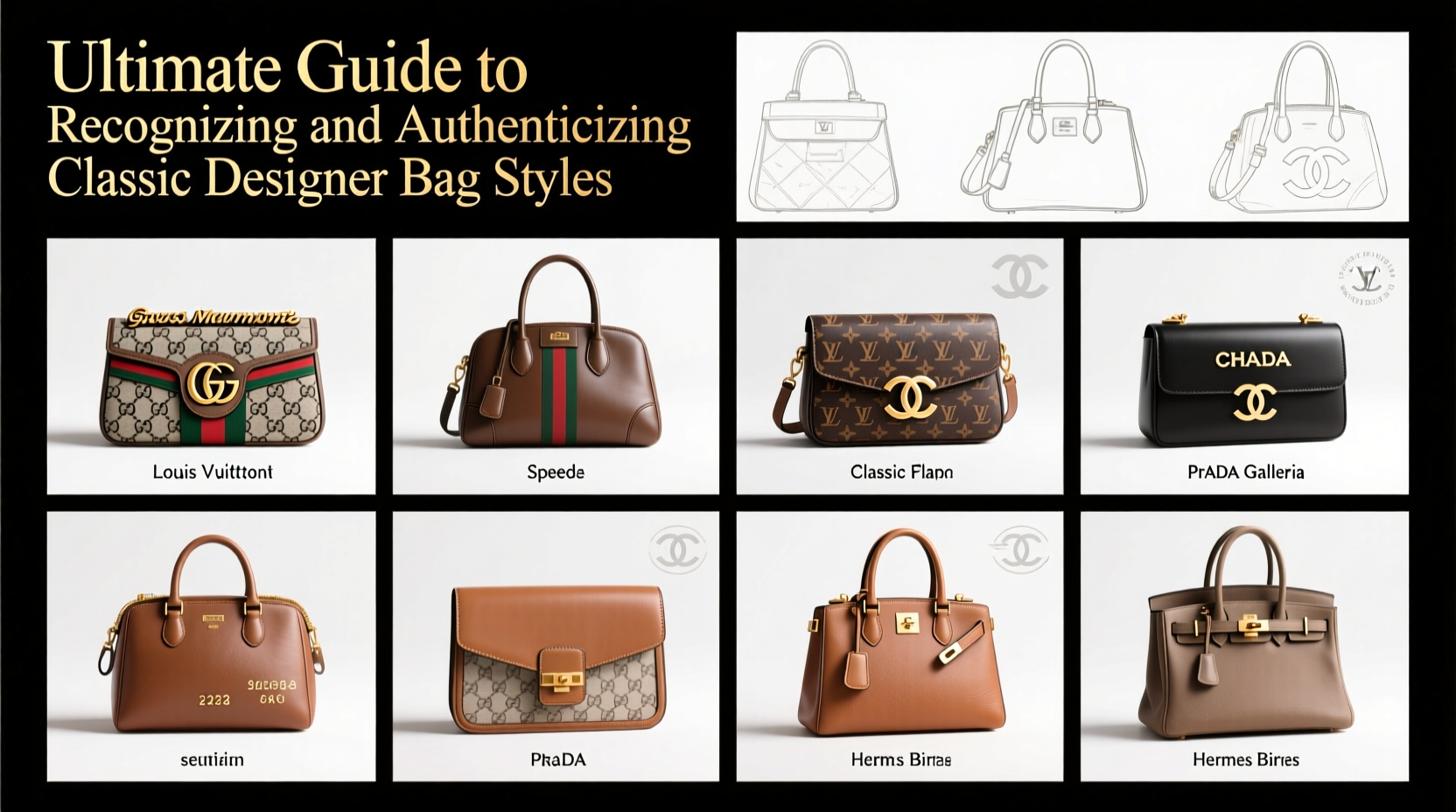
A classic designer bag transcends seasonal trends. It’s defined by enduring design, superior materials, and consistent demand across decades. Brands like Louis Vuitton, Gucci, Prada, and Celine have produced silhouettes that remain relevant through generations. The Chanel flap bag, introduced in 1955, continues to be one of the most copied—and counterfeited—designs in fashion history. Similarly, the Hermès Kelly, named after Grace Kelly, remains a symbol of understated elegance and exclusivity.
What sets these apart isn’t just popularity. It’s consistency in construction, attention to detail, and brand-specific hallmarks such as hardware finishes, stitching patterns, and serial coding systems. Recognizing authenticity starts with knowing what to look for—and where.
The Anatomy of Authenticity: Key Features to Inspect
Authenticating a designer bag requires examining multiple components. Counterfeiters often replicate logos and shapes but miss finer details that experts use to verify legitimacy. Here are the critical areas to assess:
- Stitching: High-end brands use even, tight stitches with consistent spacing. Chanel, for example, uses a specific saddle-stitch technique visible on the interior quilting of its classic flaps.
- Hardware: Real designer hardware has weight, a refined finish (e.g., brushed gold or polished palladium), and engraved logos. Fake zippers may say “YKK” when originals use proprietary branding like “L’Autre” for Louis Vuitton.
- Leather & Materials: Genuine leather feels supple yet structured. Vachetta leather used by LV darkens naturally over time; synthetic versions won’t age authentically.
- Logo Alignment & Font: Misaligned logos or incorrect font weights are red flags. Gucci’s double-G logo has precise curvature and spacing unique to each era.
- Serial & Date Codes: Most brands embed internal codes indicating production year, location, and batch. These must match the bag’s style timeline.
Step-by-Step Authentication Process
Verifying a designer bag doesn’t require a degree in fashion—but it does require methodical inspection. Follow this sequence to minimize oversight:
- Examine the Exterior: Check shape, proportion, and symmetry. Compare against official brand images from the same era.
- Inspect Hardware: Test zipper function, look for brand engravings, and compare color tone across all metal parts.
- Review Stitching Quality: Count stitches per inch if possible. Chanel typically has 10–12 stitches per inch on quilted lines.
- Open and Evaluate Interior: Look for proper lining alignment, correct logo stamping, and accurate date/serial code placement.
- Cross-Reference with Era-Specific Details: Use brand archives or authentication databases to confirm features match the production period.
- Verify Documentation: Original dust bags, authenticity cards, and receipts add credibility—but can also be forged.
Brand-Specific Authentication Markers
Different houses use distinct identifiers. Knowing these nuances is crucial:
| Brand | Key Identifier | Common Forgery Mistake |
|---|---|---|
| Chanel | Interlocking CC turn-lock with specific depth and engraving; hologram sticker (pre-2020) with matching COA card | CC logo too flat or misaligned; incorrect font on interior stamp |
| Hermès | Date stamp (cliquet) inside: letter = year, number = artisan; saddle-stitched canvas | Wrong stamp format; machine stitching instead of hand-stitched |
| Louis Vuitton | No date codes before 2000; post-2000 two-letter + four-digit alphanumeric code; natural vachetta leather | Codes placed incorrectly (e.g., near handle); plasticized trim instead of raw leather |
| Gucci | Double G logo orientation (both facing forward in modern pieces); green-red-green webbing | Symmetrical GG with backward-facing G; uneven web stripe width |
| Prada | Triangle logo with serif “Prada Milano” text; nylon bags have heat-stamped date codes | Missing serifs; laser-printed tags instead of stamped |
“Authentication isn’t about one single flaw—it’s about pattern recognition. When five small inconsistencies appear together, that’s when you know.” — Lena Torres, Luxury Resale Appraiser with 12 years in authentication
Real Example: Spotting a Fake Chanel Classic Flap
A client once brought in a Chanel medium classic flap bag purchased online for $1,800—well below retail. On initial glance, the shape and chain were convincing. But closer inspection revealed several discrepancies:
- The interlocking CC lock had shallow engraving and lacked the signature “depth” of real Chanel hardware.
- The interior leather tab stated “Chanel Paris” in a slightly off-kilter font—not the crisp, centered type used post-2015.
- The quilting was too dense: 16 stitches per inch instead of the standard 10–12.
- There was no hologram sticker or authenticity card, despite being labeled as “vintage 2018.”
These details, taken individually, might seem minor. Together, they formed a clear picture of inauthenticity. The buyer avoided a costly mistake by seeking verification before finalizing the transaction.
Essential Authentication Checklist
Use this checklist before purchasing or listing any classic designer bag:
- ✅ Is the logo correctly aligned and using the right font?
- ✅ Does the hardware have substantial weight and precise engraving?
- ✅ Are stitches uniform, tight, and consistent with brand standards?
- ✅ Does the leather feel authentic and show natural variations?
- ✅ Is the interior lining flawless and properly attached?
- ✅ Do serial/date codes exist and match the production era?
- ✅ Are there signs of natural aging appropriate for the claimed age?
- ✅ Does the overall proportion match official product images?
Frequently Asked Questions
Can a bag be authentic without papers or dust bag?
Yes. Many vintage or pre-owned bags circulate without original packaging. Authenticity hinges on physical construction, not accessories. However, having documentation increases resale value and buyer trust.
Do all designer bags have date codes?
No. Louis Vuitton only began using date codes around 2000. Hermès uses artisan stamps, not standardized codes. Chanel eliminated hologram stickers after 2020. Always research era-specific markers.
Is it safe to buy designer bags from online marketplaces?
With caution, yes. Platforms like Rebag, Vestiaire Collective, and Fashionphile offer professional authentication. Avoid private sellers who refuse third-party verification or pressure quick decisions.
Protecting Your Investment
Once authenticated, preserving your bag’s condition ensures long-term value. Store it in a breathable dust bag, away from sunlight and moisture. Stuff with acid-free tissue to maintain shape. Clean leather periodically with brand-approved products—never household cleaners.
For rare or high-value pieces, consider professional appraisal and insurance. A well-documented, authenticated bag can appreciate over time, especially limited editions or discontinued models.
Final Thoughts
Recognizing and authenticating classic designer bags is a skill built on observation, knowledge, and patience. It’s not enough to recognize a logo—you must understand the language of craftsmanship that defines true luxury. With counterfeit goods making up nearly 4% of global trade, vigilance is no longer optional. Arm yourself with facts, consult experts when uncertain, and never underestimate the power of small details.




 浙公网安备
33010002000092号
浙公网安备
33010002000092号 浙B2-20120091-4
Comments
No comments yet. Why don't you start the discussion?