
Whether worn for a special event, stage performance, or cherished holiday tradition, an Elsa costume is more than just clothing—it’s a symbol of magic, imagination, and personal expression. These costumes are often crafted from delicate materials like satin, mesh, sequins, and faux fur, making them vulnerable to snags, stains, and deterioration if not handled properly. With the right care routine, you can preserve the sparkle, structure, and integrity of the costume for future use. This guide delivers actionable strategies for cleaning, storing, repairing, and handling your Elsa ensemble with the precision it deserves.
Understanding Your Costume’s Materials
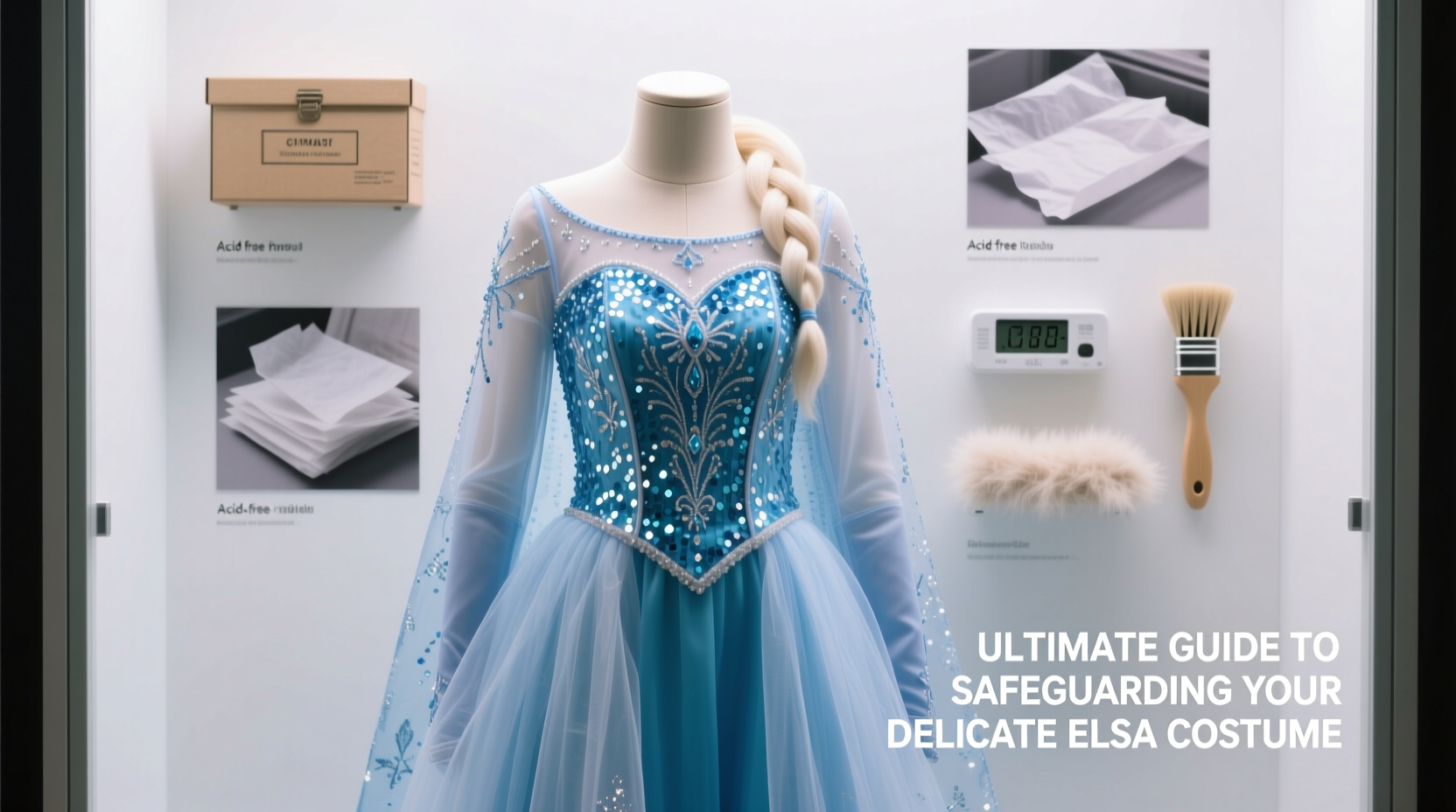
Elsa costumes typically combine multiple fabrics and embellishments, each requiring specific care methods. Recognizing what your costume is made of is the first step toward effective preservation.
- Satin or Polyester Base: Often used for the dress body; prone to water spots and heat damage.
- Sequins and Glitter: Adhered with glue or stitched; susceptible to flaking when mishandled.
- Metallic Threads or Foil Accents: Can tarnish or peel with moisture exposure.
- Faux Fur Cape or Trim: Easily matted or crushed; sensitive to humidity and friction.
- Wig (if included): Usually synthetic fibers that tangle and lose luster without proper brushing.
Immediate Post-Wear Care Routine
The moments after removing the costume are critical. Sweat, oils, and environmental particles begin degrading fabric the longer they remain. A prompt response ensures longevity.
- Air It Out: Hang the costume in a well-ventilated room away from direct sunlight for at least 12 hours to dissipate moisture.
- Inspect for Damage: Look closely for loose sequins, frayed seams, or stretched areas.
- Spot Clean Stains Immediately: Use a microfiber cloth dampened with cold water and a drop of mild detergent to gently dab soiled areas—never rub.
- Detangle Accessories: Gently brush the wig with a wide-tooth comb starting from the ends upward.
“Residual sweat and oils can break down adhesives holding sequins and degrade delicate fibers within days,” says Lila Monroe, textile conservator at the National Costume Archive. “Immediate airing and spot treatment are non-negotiable for long-term preservation.”
Safe Cleaning Methods by Fabric Type
Machine washing is almost always a risk with elaborate costumes. Instead, adopt targeted cleaning techniques based on component materials.
| Material | Cleaning Method | Avoid |
|---|---|---|
| Satin/Polyester Dress | Hand wash in cold water with gentle detergent; lay flat to dry | Hot water, wringing, tumble drying |
| Sequined Panels | Damp cloth spot clean only; do not submerge | Soaking, scrubbing, bleach |
| Faux Fur Cape | Brush gently with pet slicker brush; spot clean with fabric-safe foam | Water immersion, heat styling tools |
| Synthetic Wig | Use cool water and wig-specific shampoo; air dry on a styrofoam head | Regular shampoo, blow dryers, tight braids |
Step-by-Step: Deep Cleaning Without Damage
- Fill a clean basin with cold water and add one teaspoon of pH-neutral detergent.
- Submerge only non-embellished sections (e.g., lining or underarms) briefly—no longer than 3 minutes.
- Lift out and press gently to remove excess water—do not twist or wring.
- Lay flat on a dry towel, roll up to absorb moisture, then unroll and reshape.
- Place on a padded hanger or lay flat in a breathable space until fully dry (24–48 hours).
Proper Storage to Prevent Long-Term Damage
How you store the costume between uses matters as much as how you clean it. Poor storage leads to yellowing, creasing, insect damage, and broken embellishments.
- Use Acid-Free Tissue Paper: Place inside folds and sleeves to prevent stress lines.
- Store Flat or on a Padded Hanger: Avoid wire hangers; opt for broad, cushioned ones to support the shoulders.
- Choose Breathable Containers: Cotton garment bags or archival boxes allow airflow while blocking dust.
- Keep Away From Light and Heat: UV rays fade colors; heat weakens fibers and melts adhesives.
- Add Silica Packets: Control humidity and prevent mold, especially in seasonal climates.
“Costumes stored in attics or basements face extreme temperature swings and moisture—two of the biggest enemies of delicate textiles,” warns Dr. Elena Torres, museum textile preservationist. “Climate-stable interior closets are ideal.”
Repair and Maintenance Checklist
Regular upkeep prevents small issues from becoming irreversible. Perform this inspection every 3–6 months, even if the costume hasn’t been worn.
- 🔍 Monthly Visual Check
- Scan for loose beads, thread pulls, or discoloration.
- 🧵 Quarterly Seam Reinforcement
- Reinforce high-stress areas (neckline, armholes) with invisible hand stitching.
- ✨ Biannual Sparkle Refresh
- Use a lint roller (gently) to lift dust from sequins—avoid sticky tape.
- ❄️ Annual Deep Inspection
- Check for moth activity, odor development, or adhesive degradation.
Real Example: Preserving a Child’s Beloved Costume
Sophie, age 7, wore her Elsa gown to three birthday parties in one winter season. Her mother, Maria, noticed the cape losing fluff and glitter shedding onto furniture. Instead of retiring it, she followed a preservation plan: aired it after each wear, stored it in a cotton bag with silica gel, and repaired two loose shoulder straps with clear nylon thread. Two years later, the costume remains in near-original condition and is now passed down to Sophie’s younger sister—with careful supervision during wear.
This case shows that consistent, thoughtful care can extend a costume’s life far beyond a single season, especially when emotional value is high.
Frequently Asked Questions
Can I steam my Elsa costume to remove wrinkles?
Only if the label explicitly allows it. Most Elsa costumes contain heat-sensitive materials. Instead, hang the garment in a bathroom during a hot shower—the steam will relax wrinkles safely. Keep at least 12 inches from direct steam vents.
What should I do if a sequin falls off?
Save it. Use fabric glue designed for embellishments (like E6000) to reattach it precisely. Apply a tiny dot of glue with a toothpick and hold in place for 30 seconds. Avoid sewing unless necessary, as needle holes can tear weakened fabric.
Is it safe to store the costume in a vacuum-sealed bag?
No. Compression damages delicate fibers and crushes 3D elements like ruffles and puff sleeves. Vacuum sealing also traps moisture, increasing mold risk. Stick to breathable, structured storage.
Final Thoughts: Treat It Like Heirloom Quality
An Elsa costume may seem like temporary attire, but for many families, it carries lasting sentimental value. Whether it’s worn once a year or saved for special milestones, treating it with the care of a museum piece ensures it stays radiant and intact. The effort invested in gentle cleaning, smart storage, and proactive repairs pays off in preserved memories and extended usability.




 浙公网安备
33010002000092号
浙公网安备
33010002000092号 浙B2-20120091-4
Comments
No comments yet. Why don't you start the discussion?