
Toddlers spend their days exploring, crawling, playing, and often eating in their clothes. Their skin is up to five times thinner than an adult’s, making it highly sensitive to irritants and allergens. Choosing the right fabric isn’t just about comfort—it’s a crucial part of protecting your child’s health and well-being. With so many options on the market, from organic cotton to bamboo blends, understanding what makes a fabric truly soft and safe can be overwhelming. This guide breaks down the science, standards, and practical considerations behind infant-safe textiles so you can make informed decisions with confidence.
Why Fabric Choice Matters for Toddlers
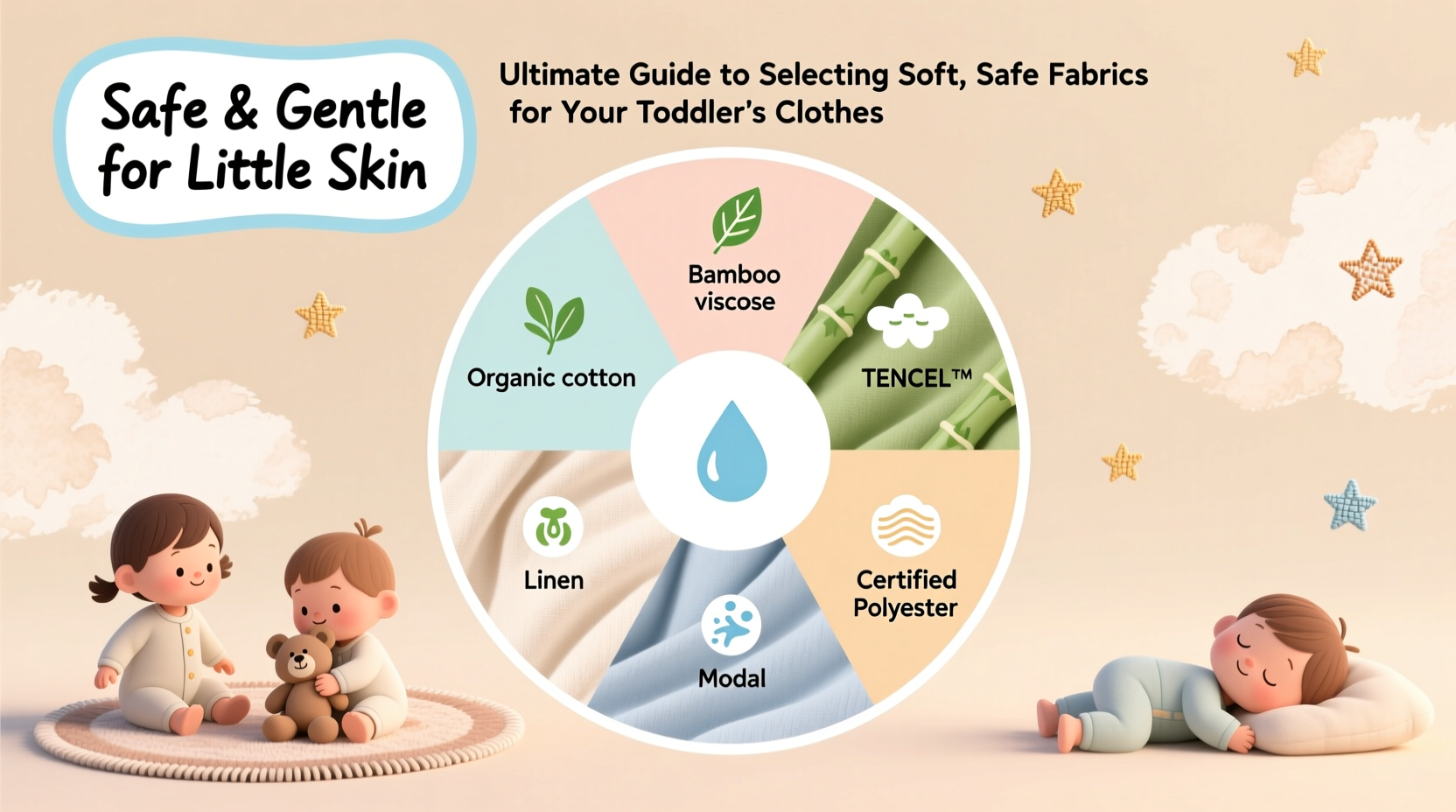
A toddler’s skin barrier is still developing, which increases susceptibility to rashes, eczema flare-ups, and chemical absorption. Synthetic materials or poorly processed natural fibers may contain residues from dyes, formaldehyde-based finishes, or flame retardants—all of which can trigger allergic reactions or long-term sensitivities. Additionally, toddlers are prone to overheating; breathable, moisture-wicking fabrics help regulate body temperature and reduce discomfort during active play or sleep.
The American Academy of Pediatrics emphasizes that clothing should not only fit well but also be made from non-irritating, hypoallergenic materials—especially for children with atopic dermatitis or asthma. The right fabric supports healthy skin development, reduces friction-related chafing, and minimizes exposure to harmful substances commonly found in mass-produced garments.
Top Soft & Safe Fabrics for Toddlers: A Comparison
Not all “soft” fabrics are created equal. Some feel gentle initially but degrade quickly or trap heat. Others boast eco-friendly labels but lack third-party safety verification. Below is a detailed comparison of the most common toddler-safe fabrics based on softness, breathability, durability, and environmental impact.
| Fabric Type | Softness | Breathability | Durability | Safety Certification |
|---|---|---|---|---|
| Organic Cotton (GOTS-certified) | ★★★★★ | ★★★★☆ | ★★★★☆ | GOTS, OEKO-TEX® |
| Bamboo Viscose (processed sustainably) | ★★★★★ | ★★★★☆ | ★★★☆☆ | OEKO-TEX®, FSC (if bamboo sourced responsibly) |
| Hemp-Cotton Blend | ★★★★☆ | ★★★★★ | ★★★★★ | GOTS, OEKO-TEX® |
| Micromodal (from beech trees) | ★★★★★ | ★★★★☆ | ★★★☆☆ | OEKO-TEX®, EU Ecolabel |
| Polyester (conventional) | ★★☆☆☆ | ★☆☆☆☆ | ★★★★★ | Rarely certified; often contains phthalates |
While organic cotton remains the gold standard for safety and accessibility, newer plant-based fibers like hemp and micromodal offer excellent moisture management and reduced environmental footprint. Avoid conventional bamboo rayon unless explicitly labeled as non-toxic processed, as some methods involve carbon disulfide—a neurotoxic chemical.
How to Evaluate Fabric Safety: A Step-by-Step Guide
- Check for Certifications: Look for GOTS (Global Organic Textile Standard), OEKO-TEX® Standard 100, or CPSIA compliance. These ensure no banned dyes, heavy metals, or formaldehyde are present.
- Read the Label: Prioritize 100% natural fibers or high-percentage blends. Be wary of vague terms like “eco-friendly” without proof.
- Feel the Texture: Run your hand along the inside seam. If it feels rough or stiff, it may chafe delicate skin.
- Smell the Garment: A strong chemical odor indicates residual processing agents. Safe fabrics should smell neutral or slightly earthy.
- Wash Test: After laundering, check for shrinkage, pilling, or color bleed—signs of poor quality control.
Expert Insight on Infant Textile Safety
“Parents often focus on food allergies and air quality, but textiles are a direct and constant point of contact with a child’s immune system. GOTS-certified organic cotton remains one of the safest choices because it prohibits over 300 toxic substances throughout production.” — Dr. Lena Torres, Pediatric Dermatologist and Environmental Health Researcher
Common Fabric Myths Debunked
- Myth: “Bamboo is always sustainable.”
Truth: While bamboo grows rapidly, turning it into fabric often requires intensive chemical processing unless it’s mechanically treated (rare and expensive). - Myth: “All ‘natural’ fibers are safe.”
Truth: Conventionally grown cotton uses more pesticides per acre than any other crop, many of which remain in the final fabric. - Myth: “Softness equals safety.”
Truth: Some ultra-soft synthetic microfibers are coated with silicone or formaldehyde to enhance texture—both potential irritants.
Real-Life Example: Choosing Sleepwear for a Sensitive Toddler
Sarah noticed her two-year-old developed red patches on his arms and back each spring. After ruling out seasonal allergies and detergent changes, she reviewed his clothing labels. She discovered his favorite pajamas were made from 80% polyester and dyed with azo colors—known skin sensitizers. Switching to GOTS-certified organic cotton PJs with natural dyes led to complete symptom resolution within three weeks. Sarah now checks every garment label and prioritizes certifications over brand names.
Checklist: Selecting Safe Toddler Clothes
- ✅ Confirm the fabric is GOTS, OEKO-TEX®, or CPSIA certified
- ✅ Choose natural fibers: organic cotton, hemp, or responsibly processed bamboo
- ✅ Avoid synthetic blends unless necessary (e.g., athletic wear)
- ✅ Inspect seams and labels for smoothness and placement
- ✅ Wash all new clothes in fragrance-free detergent before use
- ✅ Monitor for skin reactions after introducing new garments
- ✅ Prefer light-colored clothing to reduce dye exposure
Frequently Asked Questions
Is bamboo fabric safe for toddlers?
Bamboo can be safe if processed using closed-loop lyocell methods and certified by OEKO-TEX® or GOTS. Avoid products labeled “bamboo rayon” without transparency about chemical use. Mechanically processed bamboo (similar to linen) is safest but rare and costly.
Can I use regular cotton clothes for my toddler?
Conventional cotton is soft but often treated with pesticides, dyes, and formaldehyde finishes. For daily wear, especially for babies with sensitive skin, opt for GOTS-certified organic cotton to minimize chemical exposure.
How often should I replace toddler clothing due to wear?
Replace clothes when seams fray, elastic loses integrity, or fabric thins to the point of transparency. Worn garments can harbor bacteria and lose protective qualities. However, gently used organic pieces can be passed down if they remain intact and cleanable.
Final Thoughts: Building a Safer Wardrobe One Garment at a Time
Selecting soft, safe fabrics for your toddler is an act of care that extends beyond aesthetics. It’s about creating a protective layer between your child and an increasingly chemical-laden environment. While no single fabric is perfect for every situation, prioritizing third-party certifications, natural fiber content, and thoughtful construction significantly reduces risk. Start small—replace sleepwear and underlayers first—and gradually build a wardrobe that supports both comfort and long-term health.




 浙公网安备
33010002000092号
浙公网安备
33010002000092号 浙B2-20120091-4
Comments
No comments yet. Why don't you start the discussion?