
As temperatures rise and wardrobes shift toward lightweight fabrics and breezy silhouettes, your accessories must keep pace. The right texture bag doesn’t just complement your summer look—it enhances it. Whether you're strolling through a coastal town, attending an outdoor brunch, or navigating city streets under the midday sun, your bag should be both a fashion statement and a functional companion. Choosing the ideal texture involves more than aesthetics; it’s about material resilience, comfort in heat, ease of maintenance, and alignment with your lifestyle. This guide breaks down everything you need to know to make a confident, informed decision.
Why Texture Matters in Summer Bags
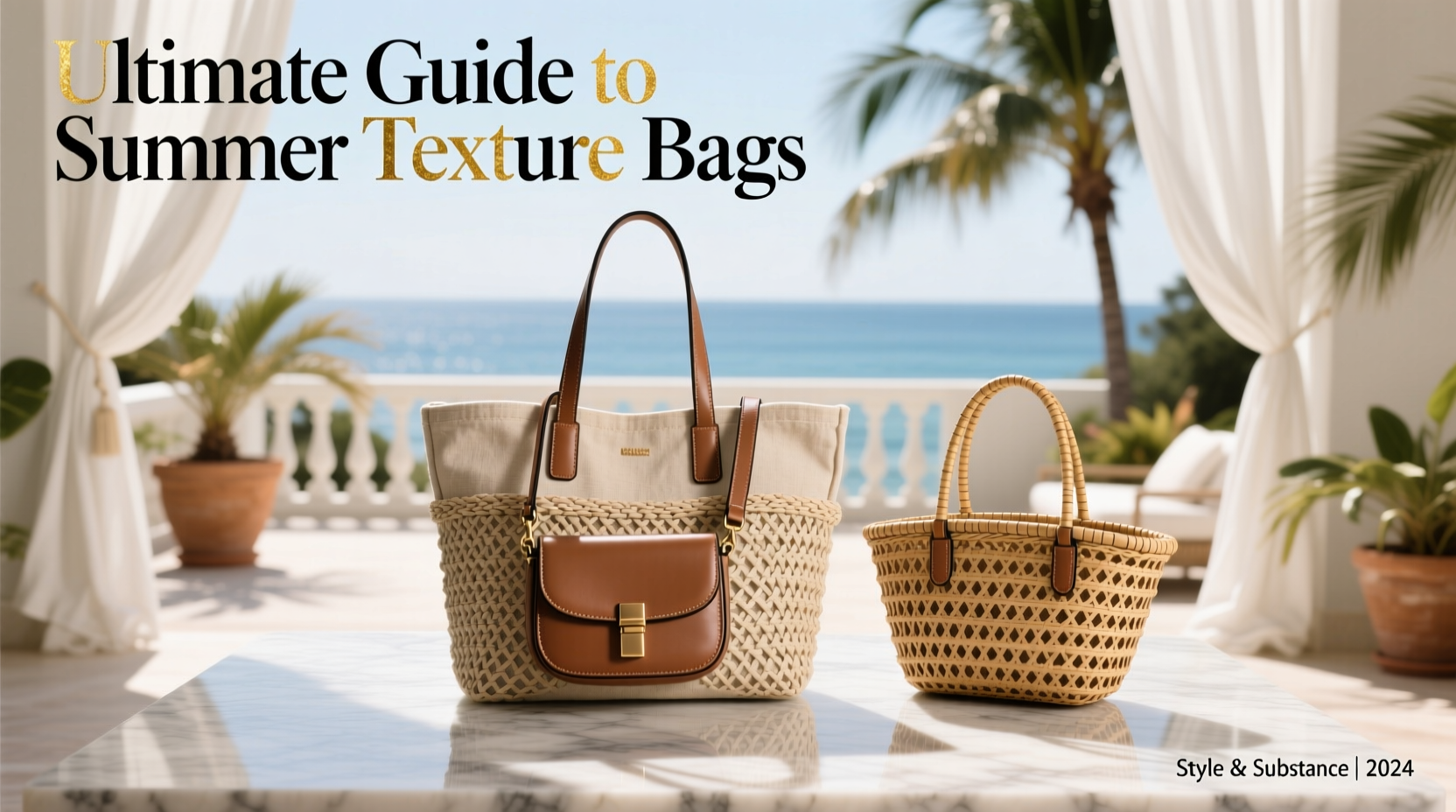
In warmer months, the tactile experience of your accessories becomes as important as their visual appeal. A bag that feels sticky, heavy, or rough against bare arms can quickly become a nuisance. Texture influences breathability, grip, moisture resistance, and even how light reflects off the surface. Smooth leather may look polished but can feel hot and slippery when exposed to sunlight. Woven raffia offers ventilation but might lack structure. Understanding these nuances helps you avoid seasonal regrets.
Summer environments present unique challenges: humidity softens certain materials, UV rays fade colors, and sudden rain showers demand quick-drying surfaces. A well-chosen texture balances elegance with practicality, ensuring your bag performs as beautifully as it looks.
“Texture is not just a visual detail—it’s a sensory experience. In summer, when we wear less clothing, our bags come into direct contact with skin, making tactile quality essential.” — Lena Torres, Sustainable Accessory Designer
Top Textures for Summer: Pros, Cons & Best Uses
Not all textures are created equal when the mercury climbs. Below is a detailed comparison of the most popular options available today, evaluated for summer-specific performance.
| Texture/Material | Pros | Cons | Best For |
|---|---|---|---|
| Rattan/Raffia | Breathable, lightweight, natural aesthetic, eco-friendly | Fragile if dropped, not water-resistant, limited interior space | Beach outings, farmers' markets, casual daytime events |
| Cotton Canvas | Durable, washable, versatile, comes in vibrant prints | Can absorb moisture and mildew if left damp | Daily commuting, picnics, urban exploration |
| Perforated Leather | Luxurious feel, allows airflow, resists sweat marks | Higher cost, requires conditioning, sensitive to prolonged sun | Smart-casual dinners, weekend getaways, professional settings |
| Recycled Nylon (Textured Weave) | Water-resistant, ultra-light, sustainable, easy to wipe clean | Less structured, may appear synthetic up close | Travel, rainy climates, active lifestyles |
| Linen-Blend Fabric | Natural fiber, cool to touch, elegant drape | Wrinkles easily, stains readily, needs gentle care | Garden parties, seaside resorts, artistic gatherings |
Step-by-Step Guide to Choosing Your Ideal Summer Bag
Selecting the right textured bag isn’t about chasing trends—it’s about aligning form and function with your personal rhythm. Follow this five-step process to ensure your choice stands the test of season and style.
- Assess Your Daily Routine: Do you bike to work? Carry a laptop? Spend hours at the beach? Match your activity level to structural support and capacity needs.
- Evaluate Climate Exposure: If you live in a humid or rainy region, prioritize quick-drying, mold-resistant textures like coated canvas or recycled synthetics.
- Check Weight When Empty: A heavy base material adds strain over time. Lift the bag and swing it slightly to gauge comfort on the shoulder or arm.
- Inspect Interior Lining and Pockets: Even the most beautiful exterior fails if essentials slip into a cavernous void. Look for zip pockets, phone slots, and light-colored linings for visibility.
- Pair With Common Outfits: Hold the bag next to your go-to summer pieces—linen dresses, sleeveless tops, swimwear cover-ups—and observe how textures harmonize.
Real-World Example: Maria’s Coastal Weekend Dilemma
Maria, a freelance photographer based in Charleston, needed a reliable bag for weekend shoots along the shore. She initially chose a sleek woven straw tote for its Instagram-worthy appearance. Within two trips, saltwater spray caused discoloration, sand infiltrated the weave, and her camera gear lacked padding. After switching to a textured recycled nylon crossbody with padded interior and water-repellent finish, she gained protection without sacrificing style. The ribbed surface masked minor scuffs, and the adjustable strap allowed hands-free mobility while walking tidal flats.
Her experience underscores a critical point: aesthetic appeal must coexist with environmental resilience. What looks effortless in a boutique may falter under real conditions.
Must-Have Features in a Functional Summer Texture Bag
Beyond surface feel, several design elements elevate a bag from decorative to indispensable:
- Adjustable Straps: Allow versatility between shoulder, crossbody, and hand carry.
- Zippered Top or Magnetic Closure: Prevents loss of items in crowded spaces or windy areas.
- Interior Organization: Dedicated compartments reduce digging and protect delicate items like sunglasses or phones.
- Lightweight Frame or Base: Maintains shape without adding bulk—especially important for slouchy styles.
- Neutral or Earth-Tone Finish: Easier to match with bold summer palettes and less prone to showing dust or fingerprints.
Summer Bag Care Checklist
To extend the life of your textured bag, follow this seasonal maintenance routine:
- Before First Use:
- Apply a fabric protector spray (for natural fibers) or leather sealant (for treated hides).
- Weekly:
- Empty contents, wipe interior with a dry microfiber cloth, check for loose stitching.
- After Exposure to Moisture:
- Let air dry naturally away from direct heat; never use a hairdryer on organic weaves.
- Monthly:
- Deep clean according to manufacturer instructions—canvas can often be spot-cleaned, while rattan benefits from gentle brushing.
- End of Season:
- Store in a breathable cotton bag, stuff with tissue paper to retain shape, and keep in a dark, dry closet.
Frequently Asked Questions
Can I wear a leather bag in high heat?
Yes, but choose perforated or nubuck finishes that allow airflow. Avoid leaving it on car seats or beaches where surface temperatures exceed 140°F (60°C), as this can cause cracking and warping.
Are straw bags suitable for city use?
They can be, provided they’re reinforced with lining and sturdy handles. Opt for compact styles with secure closures. Avoid oversized, loosely woven versions—they snag easily on doorways and public transit.
How do I prevent my fabric bag from fading?
Limit direct sun exposure, especially between 10 AM and 4 PM. When not in use, store it inside a larger tote or shade-covered area. Some UV-protective sprays designed for textiles offer additional defense.
Final Thoughts: Style That Serves You
The ideal summer texture bag doesn’t demand compromise. It moves seamlessly from errands to evenings, withstands unpredictable weather, and feels as good as it looks. By prioritizing thoughtful construction, climate-appropriate materials, and personal usability, you invest in more than an accessory—you cultivate a tool for confident living.
This season, let your bag reflect not just your taste, but your intelligence. Choose texture with intention, care for it deliberately, and enjoy the quiet satisfaction of carrying something truly suited to your life.




 浙公网安备
33010002000092号
浙公网安备
33010002000092号 浙B2-20120091-4
Comments
No comments yet. Why don't you start the discussion?