
A well-set table begins long before the food arrives. The placemat is more than a protective layer—it's a subtle design statement that anchors your table setting, influences ambiance, and enhances both comfort and cleanliness. Yet, many homeowners overlook its importance, choosing options based on impulse rather than intention. Selecting the right placemat requires thoughtful consideration of material, size, color, maintenance, and how it aligns with your lifestyle. Whether you host formal dinners weekly or manage family meals with young children, the ideal placemat supports both aesthetic vision and practical needs.
Understanding Placemat Materials and Their Best Uses
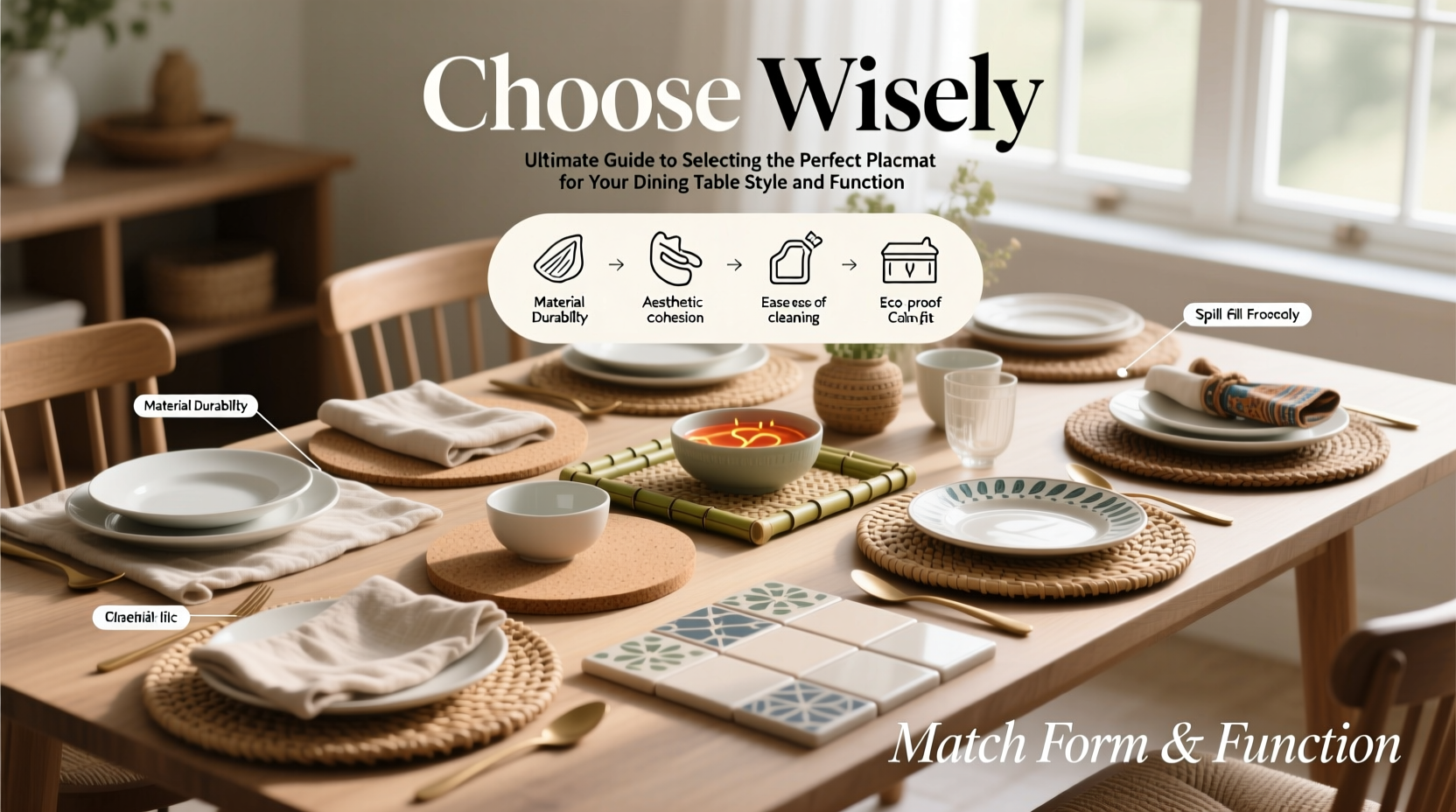
The material of a placemat defines its performance across durability, texture, heat resistance, and ease of cleaning. Each option brings unique advantages depending on your dining habits and décor preferences.
| Material | Pros | Cons | Best For |
|---|---|---|---|
| Cotton & Linen | Soft texture, elegant drape, breathable | Stains easily, wrinkles quickly | Formal dining, brunch settings |
| Vinyl & PVC | Waterproof, stain-resistant, easy wipe-clean | Less breathable, can feel synthetic | Families with kids, casual meals |
| Bamboo & Wood | Natural look, durable, heat-resistant | Heavy, not suitable for all table surfaces | Rustic, minimalist, or eco-conscious interiors |
| Silicone | Non-slip, dishwasher-safe, highly durable | Limited style variety, can retain odors | High-use households, outdoor dining |
| Olefin & Polyester | Fade-resistant, mold-resistant, low maintenance | Less luxurious feel | Patio sets, sunrooms, high-humidity areas |
Natural fibers like cotton and linen offer timeless elegance but demand more care. Synthetic materials such as vinyl and olefin excel in resilience, making them ideal for dynamic households. Meanwhile, bamboo and silicone represent modern hybrids—eco-friendly yet engineered for real-world use.
Matching Placemats to Your Table Style and Décor Theme
Your placemat should harmonize with your dining space’s overall aesthetic. A mismatched choice can disrupt visual flow, while a well-chosen one elevates the entire setting.
- Traditional Tables (dark wood, ornate legs): Opt for textured linen, damask patterns, or neutral-toned cotton. Gold or silver trim adds sophistication.
- Modern & Minimalist (glass, chrome, white lacquer): Choose sleek monochrome mats—black, white, or charcoal silicone or felt. Avoid busy prints.
- Rustic Farmhouse (reclaimed wood, open shelving): Woven seagrass, burlap, or unbleached cotton enhance warmth. Earthy tones work best.
- Coastal or Scandinavian (light woods, airy spaces): Light blue, beige, or white woven mats with subtle stripes or nautical motifs create cohesion.
- Eclectic or Bold Interiors: Use placemats as accent pieces—think vibrant colors, geometric shapes, or mixed textures to add energy.
“Placemats are the foundation of a cohesive tablescape. They ground the eye and set the tone before the first course arrives.” — Lena Torres, Interior Stylist & Tabletop Designer
Functional Considerations: Size, Shape, and Long-Term Use
Functionality often outweighs fashion when placemats face daily use. Measure twice, buy once.
Standard placemat dimensions are 12x18 inches, but variations exist. Oval or round tables may benefit from circular mats, while banquet-style seating suits longer rectangular ones. Always allow at least two inches between the placemat edge and the table’s edge to prevent overhang and tripping hazards.
Consider these functional priorities:
- Heat Protection: Cork-backed or thick bamboo mats shield surfaces from hot dishes.
- Slip Resistance: Rubberized undersides or silicone bases keep plates steady during meals.
- Edge Durability: Stitched or fused edges resist fraying after repeated washing or wiping.
- Stacking & Storage: Thin, flexible mats store easily; rigid ones require dedicated drawer space.
Mini Case Study: The Johnson Family’s Weekend Dining Dilemma
The Johnsons loved hosting Sunday brunches but struggled with stained linens and slipping plates. Their marble-topped table offered elegance but no grip. After switching to textured silicone placemats with non-slip backing, spills became easier to clean, and their toddler’s sippy cup stayed put. They kept their linen napkins for color coordination, achieving both safety and style. Within weeks, stress around mealtimes decreased significantly.
Step-by-Step Guide to Choosing the Right Placemat
Follow this six-step process to make an informed decision tailored to your home:
- Assess Your Dining Frequency: Daily use demands durable, low-maintenance materials like vinyl or silicone. Occasional entertaining allows for delicate fabrics.
- Evaluate Table Surface: Glass and polished wood scratch easily—choose soft-backed or cushioned mats. Porous surfaces like unfinished wood pair well with moisture barriers.
- Determine Cleaning Preferences: If hand-washing isn’t feasible, select machine-washable cotton or wipeable synthetics.
- Match Existing Tableware: Test placemat colors against your dishes, glassware, and cutlery under natural light to ensure harmony.
- Test for Comfort and Proportion: Place sample mats on your table with full place settings. Ensure elbows have room and sightlines remain unobstructed.
- Buy a Sample First: Order one or two options before committing to a full set. Live with them for a week to assess wear, cleaning effort, and visual appeal.
Essential Placemat Checklist Before You Buy
Use this checklist to avoid common selection mistakes:
- ☐ Measured my table dimensions and standard place setting width
- ☐ Identified primary use case (daily meals, entertaining, outdoor dining)
- ☐ Selected material appropriate for household members (kids, pets, elderly)
- ☐ Verified cleaning method aligns with my routine (machine wash, wipe-only, etc.)
- ☐ Checked for non-slip features if needed
- ☐ Ensured color/texture complements existing décor and dinnerware
- ☐ Confirmed heat resistance if serving hot dishes directly on mats
- ☐ Purchased a sample to test in real conditions
FAQ: Common Questions About Placemats Answered
Can I mix different placemat styles at the same table?
Yes—but with intention. Mixing textures (e.g., linen and rattan) works well if they share a cohesive color palette. Avoid clashing patterns unless you’re aiming for eclectic charm. Consistency in shape and size maintains balance.
How do I clean placemats without damaging them?
Always check manufacturer instructions. Cotton and polyester blends typically tolerate machine washing in cold water. Vinyl and silicone can be wiped with soapy water. Never bleach natural fibers, and air-dry all mats to prevent shrinkage or warping.
Are expensive placemats worth the investment?
For frequently used settings, yes. High-quality materials last longer, maintain appearance, and reduce replacement costs. For seasonal or decorative use, affordable options suffice.
Final Thoughts: Elevate Every Meal with Intentional Design
The perfect placemat balances form and function seamlessly. It protects your furniture, frames your meal, and reflects your personal style—all while accommodating the realities of your lifestyle. Whether you prioritize effortless cleanup, environmental sustainability, or visual impact, the right choice exists. By understanding materials, measuring carefully, and testing before scaling up, you invest not just in placemats, but in more enjoyable, stress-free dining experiences.




 浙公网安备
33010002000092号
浙公网安备
33010002000092号 浙B2-20120091-4
Comments
No comments yet. Why don't you start the discussion?