
Quality sleep begins with the right environment—and one of the most overlooked factors is bedding, specifically the quilt. For those who struggle with night sweats, hot flashes, or simply live in warm climates, a cooling quilt isn't a luxury; it's a necessity. The material of your quilt plays a pivotal role in regulating body temperature, wicking moisture, and supporting airflow. Choosing the wrong fabric can lead to restless nights, while the right one can transform your sleep experience. This guide breaks down everything you need to know about cooling quilt materials, from fiber properties to real-world performance.
Why Quilt Material Matters for Sleep Quality
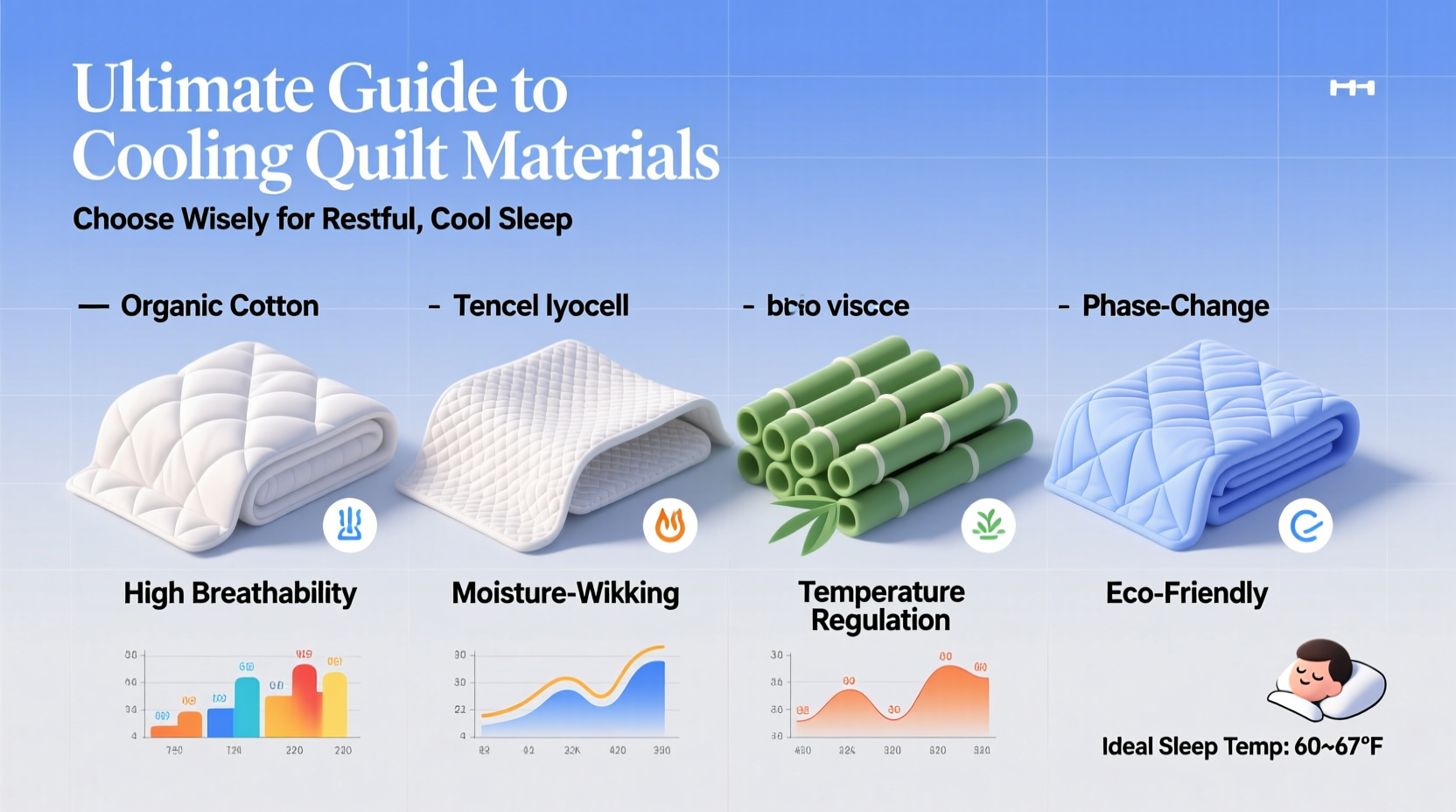
Sleep scientists agree: core body temperature must drop slightly to initiate and maintain deep sleep. When your bedding traps heat, it disrupts this natural process, leading to frequent awakenings and reduced REM cycles. Unlike heavier comforters or synthetic-filled duvets, cooling quilts are designed with thermoregulation in mind. Their effectiveness hinges largely on the choice of material—both the outer shell and the filling.
Natural fibers like cotton, linen, and bamboo excel at breathability and moisture management. Synthetic options such as polyester may be cheaper but often retain heat and resist sweat absorption. The weave, thread count, and construction method further influence how well a quilt performs in warm conditions. Understanding these variables empowers you to make informed choices tailored to your physiology and sleeping habits.
Top Cooling Quilt Materials Compared
Not all fabrics cool equally. Below is a detailed comparison of the most common materials used in cooling quilts, evaluated across key performance metrics.
| Material | Breathability | Motion Wicking | Durability | Hypoallergenic | Best For |
|---|---|---|---|---|---|
| Linen | ★★★★★ | ★★★★☆ | ★★★★☆ | Yes | Hot climates, allergy sufferers |
| TENCEL™ Lyocell | ★★★★☆ | ★★★★★ | ★★★☆☆ | Yes | Night sweats, sensitive skin |
| Cotton (Percale) | ★★★★☆ | ★★★☆☆ | ★★★★☆ | Yes | Balanced comfort, year-round use |
| Bamboo Rayon | ★★★★☆ | ★★★★☆ | ★★★☆☆ | Yes | Mild temperature regulation, eco-conscious buyers |
| Polyester Microfiber | ★★☆☆☆ | ★☆☆☆☆ | ★★★★★ | No | Budget option, cooler seasons only |
Linen stands out for its unmatched airflow and ability to absorb up to 20% of its weight in moisture before feeling damp. TENCEL™, derived from sustainably sourced wood pulp, uses closed-loop processing and offers superior moisture transfer, making it ideal for individuals prone to overheating. Cotton percale provides a crisp, lightweight feel favored by luxury hotels, while bamboo blends offer softness with moderate cooling. Avoid standard polyester unless you're certain your room stays cool at night.
Step-by-Step Guide to Choosing Your Ideal Cooling Quilt
Selecting the right quilt involves more than just reading labels. Follow this practical sequence to find your perfect match.
- Assess your sleep environment: Is your bedroom air-conditioned? Do you live in a humid region? High humidity reduces evaporative cooling, so prioritize moisture-wicking fabrics like TENCEL™ or linen.
- Evaluate your body’s needs: Are you a hot sleeper? Do you experience menopausal night sweats or medical conditions affecting temperature regulation? If yes, choose high-performance fibers known for thermal neutrality.
- Check the fill type: Some cooling quilts use gel-infused microfibers or hollow-core fibers that dissipate heat. However, natural fills like silk or organic cotton batting tend to breathe better than synthetic alternatives.
- Inspect the construction: Baffle-box stitching prevents fill from shifting and ensures even insulation without hot spots. Quilting patterns should allow air circulation—avoid overly dense stitching.
- Review care requirements: Linen and TENCEL™ often require gentle washing. If low maintenance is essential, opt for machine-washable cotton blends with minimal shrink risk.
- Test for softness and drape: A cooling quilt should feel light and smooth against the skin. Rough textures can disrupt sleep onset, even if the material is technically breathable.
Real Example: How One Change Transformed a Restless Sleeper’s Nights
Sarah, a 45-year-old teacher from Atlanta, struggled with disrupted sleep during summer months. She’d wake up drenched, despite using fans and lightweight pajamas. After switching from a polyester-filled quilt to a 100% linen one with cotton batting, she noticed immediate improvement. Within two weeks, her average nighttime awakenings dropped from five to one. “I didn’t realize how much my old quilt was trapping heat,” she said. “The linen feels airy, almost like sleeping under nothing—but I stay covered.” Her experience highlights how material alone can redefine sleep quality, especially in warm environments.
Expert Insight on Thermoregulatory Bedding
“Sleep efficiency improves significantly when bedding supports natural thermoregulation. Natural fibers like linen and TENCEL™ actively manage moisture and allow convective cooling, which is critical for initiating deep sleep.” — Dr. Lena Torres, Sleep Physiologist and Researcher at the National Center for Healthy Sleep
Common Mistakes to Avoid When Buying a Cooling Quilt
- Trusting marketing terms over facts: Words like “cooling technology” or “breathable design” are often vague. Always check the actual fabric composition.
- Ignoring thread count myths: High thread count doesn’t mean better cooling. In fact, tightly woven high-count fabrics reduce airflow. For cooling, aim for 200–300 thread count in percale weaves.
- Overlooking fill weight: Lightweight fill (under 150 GSM) is best for hot sleepers. Heavy fills, even in breathable shells, can insulate too much.
- Failing to consider seasonal flexibility: Some quilts work year-round; others are strictly summer-weight. If you want versatility, layer a cooling quilt over a sheet instead of replacing bedding seasonally.
Frequently Asked Questions
Can I use a cooling quilt in winter?
Yes, but strategically. In colder months, pair your cooling quilt with flannel sheets or layer it beneath a warmer blanket. Many people find natural fiber quilts more adaptable than synthetic ones because they don’t trap excess heat when layered.
Are bamboo quilts truly eco-friendly?
It depends on processing. Bamboo lyocell (like TENCEL™) uses non-toxic solvents and recycles water efficiently. However, bamboo rayon made via chemical-intensive methods has a higher environmental impact. Look for Oeko-Tex or FSC certifications to ensure sustainable production.
How often should I replace my cooling quilt?
Every 3–5 years, depending on use and care. Signs it’s time to replace include clumping fill, reduced loft, persistent odors after washing, or visible wear. Proper storage in a breathable cotton bag extends lifespan.
Final Checklist Before You Buy
- ✅ Fabric is natural and breathable (linen, TENCEL™, cotton percale)
- ✅ Fill is lightweight and evenly distributed
- ✅ Construction allows airflow (baffle-box or channel stitching)
- ✅ Machine washable or easy-care instructions provided
- ✅ Free from synthetic fragrances or chemical treatments
- ✅ Comes with warranty or trial period (especially for online purchases)
Conclusion: Make Cool, Restful Sleep a Priority
Your quilt is more than a decorative layer—it’s a functional component of your sleep ecosystem. By choosing the right cooling material, you create conditions that support uninterrupted, restorative rest. Whether you lean toward the rugged elegance of linen or the silky comfort of TENCEL™, prioritize breathability, moisture management, and long-term comfort over price or trends. Investing in the right quilt pays dividends in energy, focus, and overall well-being. Take the time to assess your needs, test options when possible, and upgrade your bed with intention. Better sleep starts tonight.




 浙公网安备
33010002000092号
浙公网安备
33010002000092号 浙B2-20120091-4
Comments
No comments yet. Why don't you start the discussion?