
For collectors, Marvel Legends action figures represent more than just toys—they’re investments in nostalgia, craftsmanship, and pop culture history. Whether you're preserving a vintage Wolverine from 2002 or showcasing the latest Iron Man armor, proper storage is essential to maintaining condition, articulation, paint integrity, and resale value. Over time, exposure to light, dust, temperature fluctuations, and improper handling can degrade even the most meticulously acquired figures. This guide delivers a comprehensive approach to long-term display and preservation, combining practical techniques with insights from experienced collectors and conservation principles.
Why Proper Storage Matters
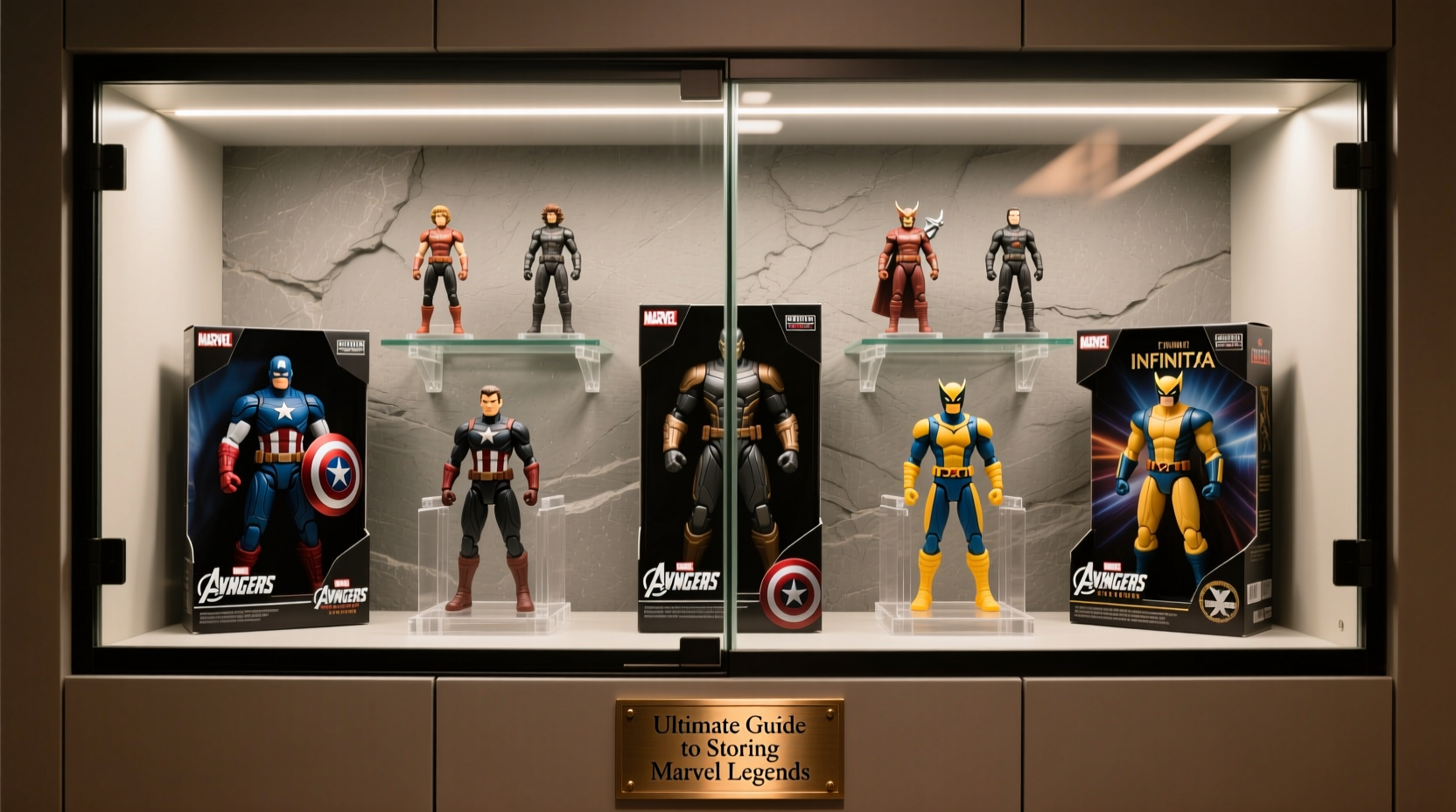
Marvel Legends figures are primarily made of plastic polymers, painted details, and elastic connectors for articulation. These materials degrade under environmental stress. UV light causes yellowing, especially in white or light-colored plastics. Dust accumulation dulls finishes and can scratch surfaces during cleaning. Fluctuating humidity leads to warping or mold growth on packaging, while excessive heat accelerates material breakdown. Even subtle factors like off-gassing from certain plastics or adhesives can contribute to long-term damage.
Preservation isn’t only about resale value—though mint-condition figures often appreciate—but also about honoring the artistry behind sculpting, painting, and design. A well-maintained collection reflects care and respect for the hobby itself.
“Collectors who prioritize storage see their figures retain over 90% of original detail after a decade, versus rapid deterioration in poorly managed environments.” — Daniel Reyes, Toy Conservation Specialist & Founder of Collectible Care Labs
Step-by-Step: Creating a Preservation-Friendly Environment
Long-term preservation begins with controlling the environment where your figures live. Follow this sequence to optimize conditions:
- Choose the Right Room: Avoid attics, basements, and garages due to extreme temperatures and humidity. Opt for interior rooms with climate control and minimal sunlight.
- Control Light Exposure: Use blackout curtains or UV-filtering window film. Never place figures directly in sunlight or under strong LED/display lighting for extended periods.
- Maintain Stable Temperature: Keep room temperature between 65–72°F (18–22°C). Avoid placing displays near radiators, vents, or fireplaces.
- Regulate Humidity: Ideal relative humidity is 45–55%. Use a digital hygrometer and a dehumidifier or humidifier as needed, especially in seasonal climates.
- Ensure Air Quality: Keep away from kitchens (grease particles) and smoking areas. Use air purifiers with HEPA filters to reduce airborne contaminants.
Display vs. Storage: Best Practices for Each
Different goals require different strategies. Display focuses on visibility and aesthetics, while storage prioritizes protection and longevity. Many serious collectors use both systems—rotating prized pieces into display while keeping backups sealed and protected.
For Display
- Use acrylic display cases with UV-protective coating.
- Mount shelves away from direct light sources and high-traffic zones.
- Keep figures at least 3 feet from windows.
- Label each case with purchase date, variant, and edition number for tracking.
For Long-Term Storage
- Store unopened boxes upright to prevent seam splitting.
- Place sealed figures in anti-static poly bags before boxing to reduce static cling and dust.
- Use archival-quality storage boxes made of acid-free materials.
- Never stack heavy items on top of figure boxes.
“I lost an entire wave of 2008 Marvel Select figures because I stored them in a garage during summer. The heat warped the boxes and melted internal plastic ties. Now everything stays in my climate-controlled closet.” — Marcus T., 15-year collector from Portland
Do’s and Don’ts: Storage Materials Compared
| Material | Do’s | Don’ts |
|---|---|---|
| Acrylic Cases | ✔ Excellent visibility ✔ Blocks dust and minor impacts |
✖ Can scratch easily ✖ May trap moisture if sealed |
| Original Packaging | ✔ Maintains collectibility ✔ Factory-sealed = highest value |
✖ Cardboard yellows over time ✖ Prone to creasing and water damage |
| Archival Boxes | ✔ Acid-free, inert materials ✔ Protects against pollutants |
✖ Expensive upfront ✖ Bulky for large collections |
| Plastic Bins (Sterilite, etc.) | ✔ Affordable and widely available ✔ Stackable and durable |
✖ May contain off-gassing plastics ✖ Not breathable; risk of condensation |
Essential Maintenance Checklist
To keep your Marvel Legends collection in peak condition, perform these actions regularly:
- ✅ Inspect all figures quarterly for signs of yellowing, sticker lifting, or joint loosening.
- ✅ Clean display cases with microfiber cloth and isopropyl alcohol (70%) on a cotton swab for tight spots.
- ✅ Check storage areas for pests, leaks, or musty odors monthly.
- ✅ Replace desiccant packs in sealed storage every 3–6 months.
- ✅ Document your collection with photos and notes—include manufacturer codes and accessories.
- ✅ Handle figures by the torso or base—never by limbs or heads—to avoid breakage.
Frequently Asked Questions
Should I open my Marvel Legends figures or keep them sealed?
This depends on your goal. For investment or rarity preservation, sealed is better—especially for limited editions. However, opening allows for display customization, accessory swapping, and enjoyment. Many collectors adopt a hybrid approach: keep one sealed, open another for display.
How do I prevent plastic yellowing (known as \"retrobrighting\")?
Yellowing occurs due to brominated flame retardants reacting to UV light. Prevent it by eliminating UV exposure and storing in dark, cool spaces. If yellowing occurs, some use hydrogen peroxide and sunlight treatments (\"retro-brighting\"), but this carries risks and may affect paint and stickers.
Can I store figures in a closet?
Yes—closets are ideal if climate-controlled and free from moisture. Use shelf bins with labels and avoid hanging clothes above storage to prevent fiber shedding. Add ventilation gaps and moisture absorbers for best results.
Final Thoughts: Build a Legacy, Not Just a Collection
A Marvel Legends collection grows over years, sometimes decades. How you store and care for these figures today determines what future generations inherit—whether that’s your own children or fellow fans through resale or donation. Thoughtful storage isn't obsessive; it's stewardship. By implementing stable environments, using the right materials, and maintaining consistent habits, you protect not just plastic and paint, but memories, milestones, and moments of joy.
Your collection tells a story. Make sure it lasts long enough to be heard.




 浙公网安备
33010002000092号
浙公网安备
33010002000092号 浙B2-20120091-4
Comments
No comments yet. Why don't you start the discussion?