
Car interiors are no longer just about function—they’re an extension of personal style. While most focus on dashboards, floor mats, or steering wheel covers, one often overlooked element can dramatically elevate both comfort and aesthetics: the car seat pillow. Whether you're looking to relieve back strain during long drives or simply add a pop of personality to your daily commute, decorative seat pillows offer a simple yet powerful upgrade. This guide explores how to select, style, and maintain decorative pillows that blend practicality with panache—without compromising safety or comfort.
Why Decorative Car Seat Pillows Matter
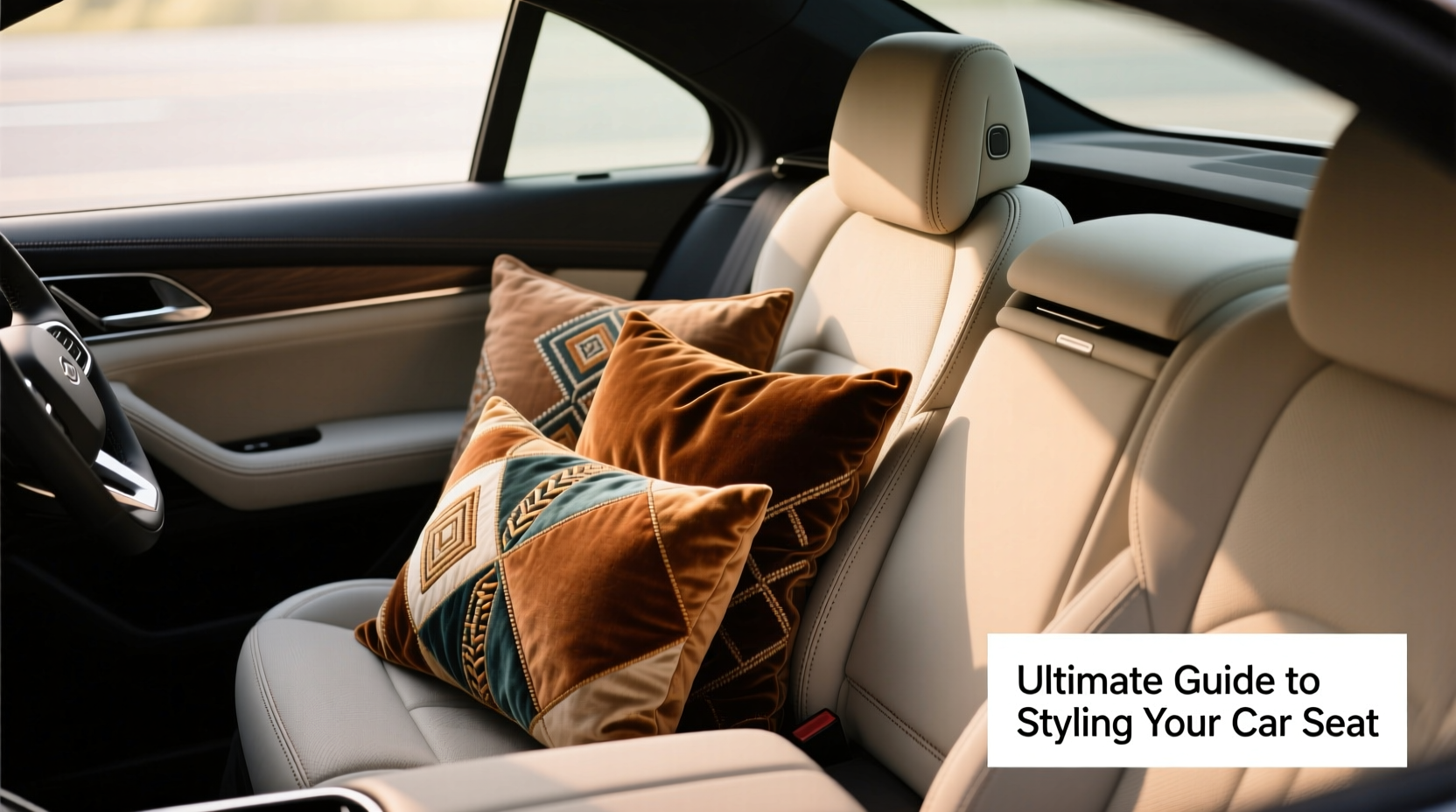
At first glance, a pillow on a car seat might seem purely decorative. But the right design does far more than look good. Ergonomically shaped pillows support the lower back and neck, reducing fatigue on extended trips. For those with chronic back pain, lumbar cushions can make a measurable difference in posture and comfort. Beyond physical benefits, color, texture, and pattern choices allow drivers to personalize their space—turning a standard sedan into a reflection of their taste.
Modern vehicles come with increasingly minimalistic interiors, leaving room for customization. A well-chosen pillow adds softness to hard surfaces, breaks up monotonous color schemes, and introduces tactile warmth, especially in leather or cloth seats that feel cold or stiff over time.
Choosing the Right Pillow: Style Meets Function
Not all decorative pillows are created equal. The best ones balance form and function, offering visual appeal without sacrificing safety or usability. Consider these factors when selecting:
- Size: Pillows should fit securely between your back and the seat without slipping or obstructing seatbelt movement.
- Filling: Memory foam provides support; polyester fiberfill is lighter and more affordable but less supportive.
- Cover Material: Cotton and linen breathe well; faux leather wipes clean easily and resists spills.
- Shape: Rectangular and square pillows are common, but contoured or trapezoidal designs fit better in bucket seats.
- Color & Pattern: Match your car’s interior or use contrast to create a focal point (e.g., a bold geometric print on a neutral seat).
“Many customers don’t realize how much lumbar support improves driving endurance. A small cushion can prevent hours of discomfort.” — Dana Reyes, Automotive Ergonomics Consultant
Material Comparison: Pros and Cons
| Material | Pros | Cons |
|---|---|---|
| Cotton | Breathable, soft, easy to dye | Stains easily, may wrinkle |
| Linen | Durable, natural texture, elegant look | Prone to creasing, less stretch |
| Faux Leather | Water-resistant, sleek finish, easy to clean | Can crack over time, less breathable |
| Polyester Blend | Affordable, fade-resistant, durable | May trap heat, less eco-friendly |
Safe and Stylish Placement Techniques
Even the most beautiful pillow becomes a hazard if it interferes with seatbelts, airbags, or driver mobility. Follow these placement guidelines to keep style and safety aligned:
- Use non-slip backing: Place rubber mesh pads or gripper fabric between the pillow and seat to prevent sliding.
- Avoid blocking seatbelt anchors: Ensure the shoulder belt moves freely across your chest without catching on seams or tassels.
- Secure with straps (optional): Some pillows come with adjustable straps that loop around headrest posts—ideal for frequent drivers.
- Keep front passenger seats minimal: In case of airbag deployment, avoid bulky pillows on passenger seats.
- Test before driving: Sit normally, adjust mirrors, and simulate turning to ensure the pillow doesn’t shift dangerously.
Real-Life Example: From Drab to Delightful Commute
Sarah, a graphic designer from Portland, spent two hours each day commuting through mountainous terrain. Her SUV’s firm seats left her with persistent lower back tension. After trying several solutions, she invested in a set of custom-fit seat pillows—one lumbar support with memory foam and a smaller neck roll for her headrest.
She chose navy blue velvet with gold stitching to complement her gray interior. Not only did her discomfort decrease within a week, but coworkers began complimenting her “designer-worthy” cabin aesthetic. Sarah now rotates seasonal covers—light linen in summer, quilted flannel in winter—proving that functionality and fashion can coexist.
Step-by-Step Guide to Customizing Your Seat Pillows
Follow this five-step process to integrate decorative pillows seamlessly into your vehicle:
- Assess Your Needs: Determine whether you want comfort (lumbar/neck), decoration (accent), or both.
- Measure Your Seat: Note the height and width of the area behind your back. Standard lumbar pillows range from 12” to 16” tall.
- Select Materials: Pick fabrics based on climate and usage. Hot climates favor cotton; rainy areas benefit from water-resistant blends.
- Add Personal Touches: Embroider initials, use reversible covers, or sew on subtle tassels for flair.
- Install and Test: Position the pillow, fasten any straps, then sit as you would while driving. Adjust until it feels secure and natural.
Maintenance and Longevity Tips
To keep your car seat pillows fresh and functional, incorporate these habits:
- Vacuum monthly to remove dust and debris trapped in fabric.
- Spot-clean spills immediately with a mild detergent and damp cloth.
- Wash removable covers every 6–8 weeks, following care label instructions.
- Air out pillows weekly by removing them from the car to reduce moisture buildup.
- Rotate between two sets to extend lifespan and vary seasonal styles.
“Sun exposure is the number one enemy of interior textiles. UV rays break down fibers and fade colors rapidly.” — Marcus Lin, Auto Interior Preservation Specialist
Checklist: Preparing Your Car Seat Pillows
- ☐ Measure seat dimensions for proper fit
- ☐ Choose supportive filling (memory foam recommended)
- ☐ Select breathable, durable fabric
- ☐ Confirm seatbelt compatibility
- ☐ Attach non-slip backing or securing straps
- ☐ Clean and condition before first use
- ☐ Schedule monthly maintenance checks
Frequently Asked Questions
Are decorative pillows safe in cars?
Yes, as long as they do not interfere with seatbelts, airbags, or seating position. Avoid placing thick or loose pillows on front passenger seats where side or frontal airbags deploy.
Can I wash my car seat pillow?
Most pillows with removable covers can be machine washed. Always check the manufacturer’s label. Non-removable inserts should be spot-cleaned only to preserve shape and structure.
How do I stop my pillow from sliding?
Use anti-slip matting cut to size, or opt for pillows with built-in elastic straps that hook around headrest supports. Rubber-dotted fabrics also provide grip without damaging upholstery.
Final Thoughts: Elevate Every Drive
Styling your car seat with decorative pillows isn’t just about aesthetics—it’s about enhancing your daily experience behind the wheel. With thoughtful selection and proper placement, you can achieve a harmonious blend of comfort, safety, and individuality. Whether you prefer minimalist elegance or bold textures, there’s a pillow solution that fits your lifestyle and vehicle.
The small investment of time and attention pays off in reduced fatigue, improved mood, and a personalized space that feels uniquely yours. Don’t let your car interior remain static. Experiment with colors, layers, and ergonomic designs to transform every journey into something more enjoyable.




 浙公网安备
33010002000092号
浙公网安备
33010002000092号 浙B2-20120091-4
Comments
No comments yet. Why don't you start the discussion?