
The Nintendo Switch is a powerful hybrid console that thrives on portability, but its compact design means it’s constantly exposed to risks when transported. The carrying case is the first line of defense—yet many users overlook how quickly wear, impact, and environmental factors can degrade its integrity. A flimsy or poorly maintained case may fail when you need it most: during travel, commutes, or accidental drops. Protecting your investment starts with reinforcing and preserving the case itself. With the right strategies, materials, and habits, you can extend its lifespan significantly while ensuring your Switch remains safe from scratches, impacts, and moisture.
Choose the Right Case Material for Maximum Protection
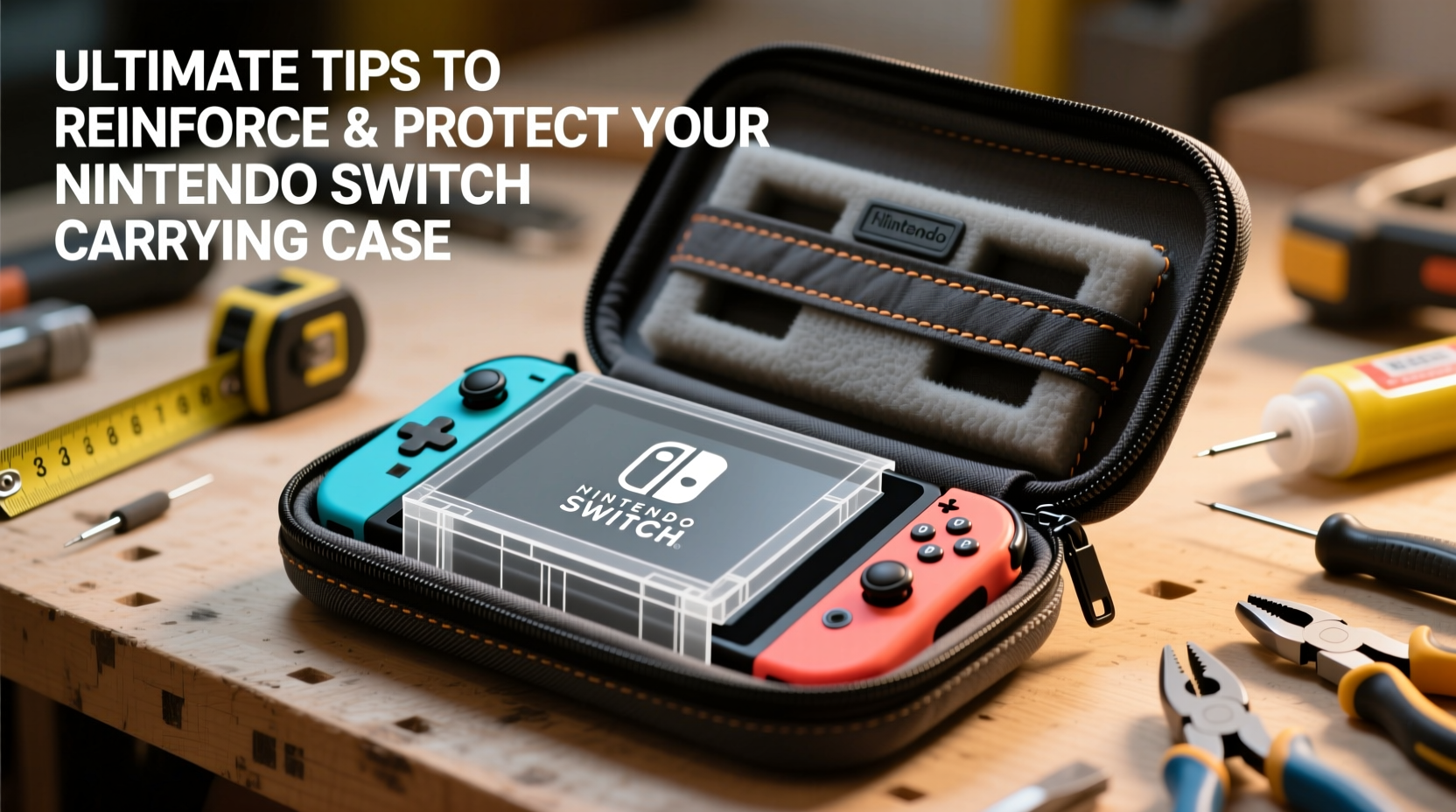
Not all carrying cases are created equal. The material determines both protection level and longevity. Most cases fall into three primary categories: soft-shell neoprene, hard-shell polycarbonate, and hybrid designs combining both. Each has strengths and weaknesses.
| Material | Pros | Cons |
|---|---|---|
| Neoprene (Soft) | Lightweight, flexible, good shock absorption | Limited crush resistance, prone to tearing over time |
| Polycarbonate (Hard) | High impact resistance, protects against crushing | Bulkier, less flexible, may scratch exterior |
| Hybrid (Hard + Soft Lining) | Balances impact protection and comfort | Higher cost, heavier than soft cases |
For long-term durability, hybrid cases offer the best compromise. They absorb shocks with padded interiors while resisting external pressure thanks to rigid outer shells. If you already own a soft case, consider upgrading or adding reinforcement layers (discussed later).
Reinforce High-Stress Areas to Prevent Wear and Tear
Zippers, corners, and seams are the most vulnerable parts of any carrying case. Over time, repeated opening and closing weakens stitching, while corner abrasion leads to fraying or cracking. Proactive reinforcement can prevent premature failure.
Start by inspecting your case monthly. Look for loose threads, worn zipper teeth, or softening foam padding. Address minor damage before it becomes irreparable.
- Zipper Guards: Apply silicone-based zipper lubricant every few months to reduce friction. For added protection, slide a small keyring through the pull tab to create a makeshift stopper, preventing overextension.
- Corners and Edges: Use clear vinyl edge guards (available in hardware stores) or apply epoxy resin strips to hard-case corners. These resist chipping and absorb drop impacts.
- Stitch Reinforcement: If seams are unraveling, use a needle and heavy-duty nylon thread to re-stitch weak areas. Alternatively, apply fabric glue along stress points for extra binding strength.
“Most case failures start at the seams and zippers—not from direct impact.” — Jordan Lin, Product Durability Analyst at Mobile Gear Labs
Enhance Internal Protection with Custom Padding
Even the sturdiest exterior won’t save your Switch if internal cushioning deteriorates. Foam inserts compress over time, reducing shock absorption. Upgrading internal padding improves resilience and prevents screen scratches.
- Replace low-density foam with closed-cell EVA foam sheets, cut to fit snugly around the console and accessories.
- Add microfiber lining inside the lid to protect the screen when closed.
- Use elastic loops or Velcro straps to secure Joy-Cons and prevent shifting during transport.
For DIY enthusiasts, 3D-printed interior trays offer precision fit and unmatched stability. Many free designs are available online for popular case models, allowing for modular customization.
Mini Case Study: From Frequent Traveler to Long-Term Case Success
Samantha, a college student who travels weekly between campuses, used a standard neoprene case for her Switch. Within four months, the zipper failed, and the bottom began sagging due to foam compression. After researching solutions, she upgraded to a hybrid case and added 5mm EVA foam padding. She also applied edge guards and began storing the case upright in her backpack’s dedicated sleeve. Two years later, the case shows minimal wear, and her Switch remains scratch-free. Her proactive approach extended the case’s usable life by over 300% compared to her previous model.
Environmental and Usage Best Practices
Durability isn’t just about build quality—it’s also influenced by how and where you use the case. Temperature extremes, moisture, and improper storage accelerate degradation.
Avoid placing heavy items on top of the case in bags or luggage. Even moderate pressure can crack polycarbonate or flatten padding. Always store the case in a dry, cool place away from direct sunlight to prevent UV fading and material brittleness.
When cleaning, use a slightly damp cloth with mild soap for exteriors. Do not submerge the case. For interiors, gently vacuum loose debris or use a dry microfiber cloth. Never use alcohol-based cleaners on soft linings—they break down fibers over time.
Step-by-Step Monthly Maintenance Routine
- Inspect: Check for tears, loose stitching, or damaged zippers.
- Clean: Wipe down exterior and interior; remove dust and grime.
- Lubricate: Apply a drop of zipper lubricant to smooth operation.
- Test Fit: Ensure all components (Switch, Joy-Cons, cables) fit securely without strain.
- Reinforce: Add tape, glue, or padding where needed based on inspection.
Frequently Asked Questions
Can I use duct tape to repair a torn case?
While duct tape offers a quick fix, it’s not ideal for long-term use. It leaves residue, peels over time, and looks unprofessional. Instead, use heat-activated repair patches or sew and glue the tear properly for a durable solution.
How often should I replace my Switch case?
With proper care, a high-quality case can last 2–3 years. Replace it when padding no longer rebounds, zippers stick or fail, or structural cracks appear. Don’t wait until total failure—early replacement prevents device damage.
Are aftermarket cases as good as official ones?
Many third-party manufacturers exceed Nintendo’s official case in durability and features. Brands like PDP, Hori, and Raptor Cases offer reinforced designs with better padding and locking zippers. Always check user reviews and material specs before purchasing.
Checklist: Ultimate Case Protection Plan
- ✅ Choose a hybrid or hard-shell case with padded interior
- ✅ Inspect seams, zippers, and corners monthly
- ✅ Upgrade internal foam with EVA padding
- ✅ Apply edge guards to hard-case corners
- ✅ Lubricate zippers every 3 months
- ✅ Store in a cool, dry place away from direct sun
- ✅ Avoid stacking heavy items on top in bags
- ✅ Clean gently with non-abrasive materials
- ✅ Perform full maintenance check every 30 days
Conclusion
Your Nintendo Switch carrying case does more than hold your console—it safeguards hundreds of dollars in hardware and countless hours of gameplay. Treating it as a disposable accessory leads to avoidable damage and costly replacements. By selecting durable materials, reinforcing weak points, maintaining cleanliness, and following smart usage habits, you ensure both the case and the device inside remain in peak condition for years. Durability isn’t luck; it’s the result of consistent, informed care. Take action today—inspect your case, make one improvement, and commit to a routine that matches your lifestyle. Your future self (and your Switch) will thank you.




 浙公网安备
33010002000092号
浙公网安备
33010002000092号 浙B2-20120091-4
Comments
No comments yet. Why don't you start the discussion?