
Chit potatoes are a lesser-known but increasingly appreciated variety in the world of specialty produce. While not as widely recognized as Russets or Yukon Golds, chit potatoes offer unique textural and culinary advantages—particularly for early-season cooking and specific preparation methods. For home cooks seeking to expand beyond supermarket staples, understanding chit potatoes opens up new possibilities in roasting, boiling, and even cold salads. These small, waxy tubers are prized for their firm flesh, thin skin, and ability to hold shape after cooking, making them ideal for dishes where texture is paramount. This comprehensive guide explores the origin, characteristics, and practical applications of chit potatoes, offering actionable insights for both everyday meals and elevated cuisine.
Definition & Overview
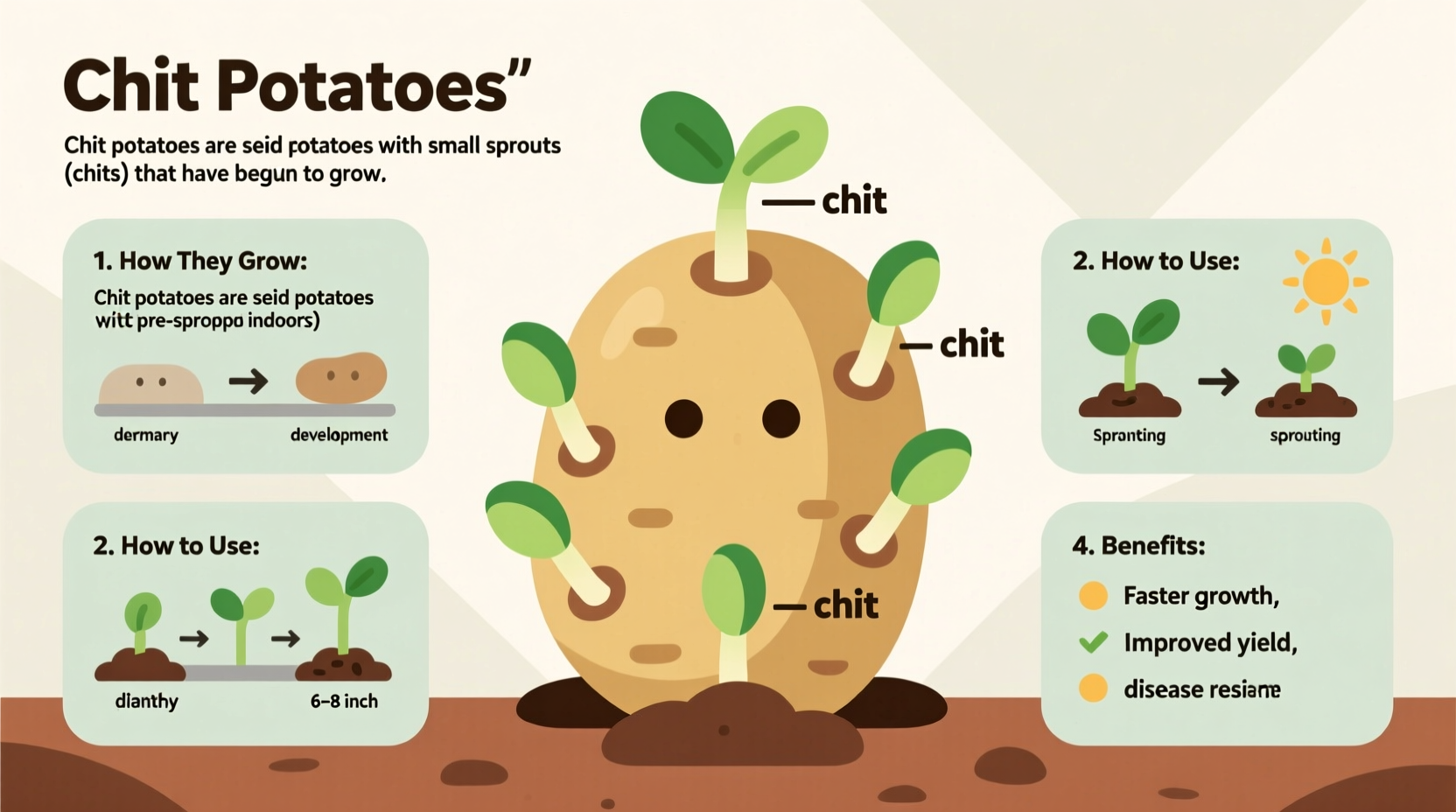
Chit potatoes are an early-maturing variety of potato, typically harvested in late spring or early summer when the tubers are still small and tender. The term “chit” refers to the sprouting eyes that begin to emerge on seed potatoes before planting, but in culinary usage, it has evolved to describe a class of young, waxy potatoes with delicate skins and a high moisture content. Though not a formally standardized classification like \"fingerling\" or \"new potato,\" the name is commonly used in regional farming communities and specialty markets across the UK and parts of Europe, particularly in Scotland and Northern England.
Botanically, chit potatoes are immature tubers of certain early cultivars such as Accenture, Swift, or Rocket. Unlike maincrop potatoes grown for storage and starch content, chits are cultivated for freshness and immediate consumption. Their growing season is short—often just 8 to 10 weeks from planting—which contributes to their crisp, moist texture and subtly sweet flavor. Because they are harvested so early, chit potatoes lack the thick skin and dense structure of mature potatoes, making them unsuitable for long-term storage but excellent for quick-cooking applications.
In terms of culinary category, chit potatoes fall under the broader umbrella of \"new potatoes.\" However, they differ slightly in size and maturity level. True new potatoes are generally defined as any young potato harvested before full maturity, regardless of variety. Chit potatoes, by contrast, are specifically those pulled at the earliest edible stage—sometimes even before the plant has fully flowered. This distinction may seem subtle, but it affects everything from cooking time to mouthfeel.
Key Characteristics
The appeal of chit potatoes lies in their distinct physical and sensory attributes. These characteristics make them stand out from standard grocery-store potatoes and inform their best uses in the kitchen.
| Characteristic | Description |
|---|---|
| Size | Small, typically 1–2 inches in diameter; often described as \"golf ball-sized.\" |
| Skin | Very thin, smooth, and lightly pigmented—usually pale yellow or cream-colored with occasional pink blush. |
| Flesh | Creamy white to pale yellow; fine-grained and moist. |
| Flavor | Delicate, mildly sweet, with earthy undertones and minimal bitterness. |
| Texture (Raw) | Firm yet tender; easily pierced with a fingernail. |
| Texture (Cooked) | Holds shape well; waxy and non-mealy—ideal for boiling and roasting. |
| Moisture Content | High—contributes to juiciness but limits frying performance. |
| Starch Level | Low to moderate; behaves more like a waxy potato than a starchy one. |
| Shelf Life | Short—best used within 3–5 days of harvest due to high moisture and thin skin. |
Because of their low starch content and high water retention, chit potatoes do not break down during gentle cooking. This makes them superior for dishes like potato salads, buttered side dishes, and braises where maintaining structural integrity is essential.
Practical Usage: How to Use Chit Potatoes in Cooking
Chit potatoes shine in preparations that highlight their natural delicacy. Their thin skins mean they rarely require peeling, and their small size allows for uniform cooking without cutting. Here’s how to use them effectively across various cooking styles:
Boiling
Boiling is the most common method for preparing chit potatoes. Place unpeeled tubers in a pot of salted water and simmer gently for 12–15 minutes, or until tender when pierced with a skewer. Drain and toss immediately with unsalted butter, chopped fresh herbs (such as parsley, chives, or tarragon), and a splash of white wine vinegar or lemon juice. This classic preparation pairs beautifully with grilled fish, lamb chops, or roasted chicken.
Pro Tip: Do not overcook chit potatoes. Their high moisture content means they can become waterlogged if boiled too long. Start checking for doneness at 10 minutes.
Roasting
While less common than with larger potatoes, roasting chit potatoes yields excellent results when done correctly. Toss whole or halved tubers with olive oil, sea salt, crushed garlic, and rosemary. Roast at 400°F (200°C) for 25–30 minutes, turning once, until golden and crisp on the outside while remaining creamy within. The key is to ensure even heat distribution—use a single layer on a baking sheet and avoid overcrowding.
Steaming
For maximum nutrient retention and flavor concentration, steaming preserves the potato’s natural sweetness. Use a bamboo or metal steamer basket over simmering water for 10–12 minutes. Serve simply with flaky sea salt and cultured butter for a clean, refined taste.
Sautéing
After parboiling, chit potatoes can be sliced and sautéed in clarified butter or duck fat. Add shallots and finish with a splash of verjus or dry cider for acidity. This technique works well as a brunch accompaniment or vegetarian entrée component.
Cold Applications
Due to their firm texture, chit potatoes are ideal for cold salads. After boiling and cooling, combine with diced celery, red onion, capers, and a mustard vinaigrette. Avoid mayonnaise-heavy dressings, which can overwhelm their subtle flavor. Alternatively, incorporate into grain bowls with farro, arugula, and poached eggs.
Professional Kitchen Techniques
In restaurant settings, chefs often blanch chit potatoes in herb-infused water before finishing them in brown butter or glazing with honey-thyme syrup for upscale presentations. Some modernist kitchens vacuum-seal them with aromatics and cook sous-vide at 185°F (85°C) for 45 minutes to achieve perfect internal consistency without surface breakdown.
Variants & Types
While “chit potato” is not a botanical designation, several early-maturing cultivars are commonly sold under this label depending on region and availability. Understanding these variants helps in selecting the right type for your recipe.
- ‘Rocket’ Chits: One of the fastest-maturing varieties, ready in about 70 days. Small, oval-shaped, with creamy flesh and excellent boiling properties. Best for early summer dishes.
- ‘Swift’ Chits: Known for disease resistance and uniform size. Slightly denser than Rocket, making them better suited for roasting. Skin is pale gold with minimal eyes.
- ‘Accenture’ Chits: A newer hybrid with higher dry matter content, bridging the gap between waxy and floury types. Can be used in gratins or scalloped preparations where slight starch release is beneficial.
- Fingerling Chits: Not all fingerlings are chits, but some early-harvest fingerlings (like ‘Pink Fir Apple’) may be marketed as such. Elongated shape, nutty flavor, excellent for roasting.
It's important to note that true chit potatoes should never be confused with baby potatoes sold year-round in supermarkets. Many commercial \"baby potatoes\" are actually smaller specimens of maincrop varieties that have been mechanically abraded to appear young. These lack the tenderness, flavor, and seasonal authenticity of genuine chits.
Comparison with Similar Ingredients
Chit potatoes are frequently mistaken for other small potato types. Clarifying the differences ensures proper usage and sets realistic expectations.
| Ingredient | How It Differs from Chit Potatoes |
|---|---|
| New Potatoes | Broad category including any young potato; chits are a subset—specifically the earliest harvests of early varieties. |
| Baby Potatoes (Commercial) | Often mature potatoes trimmed or sorted for size; thicker skin, lower moisture, less sweet. Not seasonally fresh. |
| Fingerling Potatoes | Defined by shape and genetics; can be harvested young or mature. Nuttier, denser, and more flavorful than typical chits. |
| Yukon Gold (young) | Can be eaten young, but naturally higher in starch. Breaks down more easily when cooked; less waxy than chits. |
| Red Bliss (new) | Waxy and good for boiling, but bred for longer growth. Skin is thicker and more uniformly red. |
\"True chit potatoes are fleeting—they represent a moment in the growing cycle. You can’t replicate their quality out of season. They’re not just small potatoes; they’re a seasonal expression of terroir and timing.\" — Chef Eleanor MacLeod, Seasonal Kitchen Edinburgh
Practical Tips & FAQs
Are chit potatoes the same as seed potatoes with sprouts?
No. While “chitting” refers to the process of encouraging sprouts on seed potatoes before planting, culinary chit potatoes are edible tubers harvested early—not sprouted seeds intended for propagation. Confusion arises because both involve the term “chit,” but context determines meaning.
Where can I find chit potatoes?
They are primarily available at farmers' markets, specialty grocers, and through community-supported agriculture (CSA) programs during late May through July in the Northern Hemisphere. Look for signs indicating “early season,” “first earlies,” or “new crop.”
Can I substitute chit potatoes in recipes?
Yes, but choose substitutes carefully:
- Best Substitute: Fresh new potatoes (e.g., young Charlotte or Ratte).
- Adequate Substitute: Red Bliss or Fingerling potatoes—though slightly denser.
- Poor Substitute: Russet or Idaho potatoes—they will disintegrate when boiled and lack the desired waxiness.
How should I store chit potatoes?
Do not refrigerate. Store in a cool, dark, well-ventilated place (ideally 45–50°F / 7–10°C) and use within 3–5 days. Due to their thin skins and high moisture, they dehydrate quickly and are prone to mold if kept too long.
Do I need to peel them?
No. The skin is tender and edible, contributing texture and nutrients. Simply scrub gently under cold water to remove soil.
Are chit potatoes nutritious?
Yes. Like all potatoes, they provide potassium, vitamin C, and B6. Being consumed fresh and unpeeled, they retain more nutrients than processed or stored varieties. Their glycemic index is moderate due to low starch content.
Can I freeze chit potatoes?
Not recommended. Freezing damages their cellular structure, leading to mushiness upon thawing. They are best enjoyed fresh.
Storage Checklist:
✓ Keep unwashed until use
✓ Store in breathable bag (paper or mesh)
✓ Avoid proximity to onions (ethylene gas accelerates spoilage)
✓ Use within one week max
Summary & Key Takeaways
Chit potatoes are a seasonal delicacy representing the earliest harvest of fast-maturing potato varieties. Distinctive for their small size, thin skin, waxy texture, and mild sweetness, they excel in boiling, steaming, and roasting applications where shape retention is critical. Unlike mass-market baby potatoes, true chits are defined by freshness, timing, and horticultural practice rather than mere size.
Key points to remember:
- Chit potatoes are harvested very early—typically 8–10 weeks after planting.
- They belong to the waxy potato family and perform poorly in frying or mashing.
- Best used within days of purchase due to perishability.
- Require no peeling; scrubbing suffices.
- Substitute with care—opt for other new or waxy varieties only.
- Peak availability is late spring to midsummer; seek them at local farms or markets.
Integrating chit potatoes into your cooking routine offers a chance to connect with seasonal rhythms and elevate simple dishes with exceptional texture and freshness. Whether served alongside grilled salmon or tossed into a herbed salad, their understated elegance speaks to the power of timing and ingredient integrity in culinary excellence.
Cooking Challenge: Try preparing two versions of a potato salad—one with chit (or new) potatoes and one with mature waxy potatoes. Note the differences in bite, moisture, and flavor absorption. This exercise sharpens your palate and deepens understanding of potato behavior in cooking.




 浙公网安备
33010002000092号
浙公网安备
33010002000092号 浙B2-20120091-4
Comments
No comments yet. Why don't you start the discussion?