
Cuban mojo sauce is more than a condiment—it’s a cultural cornerstone of Cuban cuisine, a vibrant marinade and finishing sauce that transforms simple ingredients into deeply flavorful dishes. Found in homes across Havana, Miami’s Little Havana, and beyond, mojo (pronounced MOH-hoh) brings citrusy brightness, garlicky depth, and herbal warmth to everything from roasted pork to grilled vegetables. For cooks seeking authentic Latin flavors, understanding mojo isn’t just about following a recipe; it’s about mastering a foundational technique rooted in centuries of Caribbean culinary tradition. This article explores the components, variations, applications, and nuances of Cuban mojo sauce, offering practical insights for both novice and experienced cooks.
Definition & Overview
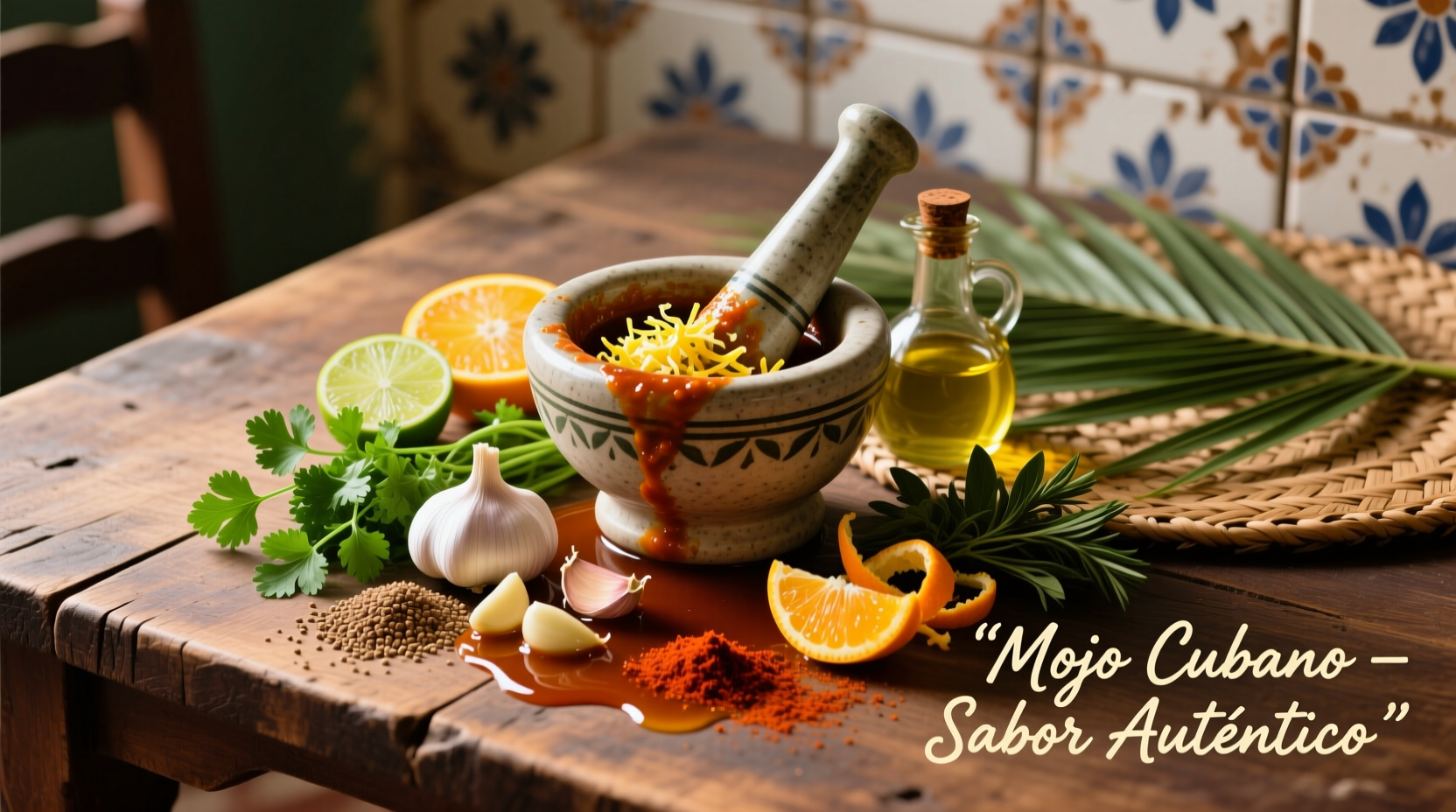
Mojо is a thin, pourable sauce originating in Cuba, traditionally used as a marinade, basting liquid, or table condiment. At its core, it combines fresh citrus juice—primarily bitter orange (naranja agria)—with copious amounts of minced garlic, oil, salt, and aromatic herbs like oregano. The result is a pungent, tangy, and slightly oily emulsion that penetrates meats during slow cooking, enhancing moisture and complexity. While most famously associated with *lechón asado* (Cuban-style roast pork), mojo is equally effective on chicken, fish, root vegetables, and even beans.
The term “mojo” likely derives from the West African word *mojito*, meaning “to cast a spell,” reflecting the sauce’s transformative power over food. However, this should not be confused with the cocktail of the same name, which evolved separately. In Cuban kitchens, making mojo is an act of ritual: garlic is crushed with salt using a mortar and pestle, citrus is freshly squeezed, and the mixture is often warmed slightly to release volatile oils before being drizzled over meat or mixed into rice.
Key Characteristics
| Attribute | Description |
|---|---|
| Flavor Profile | Bright citrus acidity balanced by pungent garlic, earthy dried oregano, and mild salinity. Slight bitterness if naranja agria is used. |
| Aroma | Sharp, aromatic garlic dominates, complemented by zesty citrus peel and warm Mediterranean herbs. |
| Color & Texture | Pale amber to golden yellow; thin, pourable consistency with visible garlic flecks and oil separation when chilled. |
| Heat Level | Not spicy by default, but optional additions like sliced chili peppers can add mild to moderate heat. |
| Culinary Function | Marinade, baste, sauce base, or finishing drizzle. Enhances tenderness and flavor penetration in proteins. |
| Shelf Life | Freshly made: up to 5 days refrigerated. Freezable for up to 3 months. Separation is normal; shake or stir before use. |
Practical Usage: How to Use Mojo in Cooking
Making and applying mojo effectively requires attention to timing, temperature, and ingredient quality. Here's how to integrate it into everyday cooking:
Step-by-Step Mojo Application for Roast Pork
- Prepare the Mojo Base: In a small saucepan, gently heat ½ cup bitter orange juice, 6–8 crushed garlic cloves, 1 tsp dried oregano, 1 tbsp salt, and ¼ cup olive oil until steaming (do not boil). Remove from heat and let steep 10 minutes.
- Score the Meat: Take a Boston butt or picnic cut (3–5 lbs) and score the skin and fat cap deeply in a crosshatch pattern. This allows the mojo to penetrate into the muscle fibers.
- Inject and Marinate: Using a marinade injector, fill it with half the warm mojo and inject throughout the roast, focusing on thicker sections. Pour the remaining mojo over the surface and rub thoroughly. Cover and refrigerate for at least 8 hours, preferably overnight.
- Baste During Roasting: As the pork roasts at 325°F (163°C), baste every 30 minutes with additional reserved mojo or pan drippings mixed with fresh citrus.
- Serve with Extra Mojo: Warm leftover sauce and serve alongside the sliced meat. It doubles as a table condiment.
Everyday Applications Beyond Pork
- Grilled Chicken: Marinate thighs or drumsticks in mojo for 4–6 hours before grilling over indirect heat.
- Roasted Vegetables: Toss yuca, plantains, or potatoes in mojo before roasting at 400°F (204°C) for caramelized, garlicky sides.
- Bean Dishes: Stir 2–3 tablespoons into black beans (*frijoles negros*) during simmering to deepen flavor.
- Dipping Sauce: Thin with a bit of broth or water and serve with fried cassava (*yuca frita*) or plantain chips.
- Rice Flavoring: Add a spoonful to cooked white rice for a citrus-garlic accent similar to Spanish rice.
Pro Tip: Always crush garlic with salt before adding liquids. This breaks down cell walls and releases allicin—the compound responsible for garlic’s sharp aroma—creating a smoother integration into the sauce. A mortar and pestle yields better results than a press or knife.
Variants & Types of Mojo Sauce
While classic Cuban mojo follows a consistent formula, regional and household variations exist based on ingredient availability and personal taste. Understanding these types helps tailor the sauce to specific dishes.
Traditional Bitter Orange Mojo (Mojo de Naranja Agria)
The gold standard. Made with genuine *Citrus aurantium*, this version has a complex, slightly tart and floral profile distinct from sweet oranges. Hard to source outside specialty markets or Florida groves, but unmatched in authenticity.
Substitute Citrus Blends
Due to the scarcity of bitter oranges, many cooks blend available citrus:
- Lime + Orange Juice (50/50): Balances acidity and sweetness. Common in U.S. kitchens.
- Grapefruit + Orange: Adds subtle bitterness closer to true naranja agria.
- Seville Orange Juice: The closest European equivalent, often used in marmalades and available seasonally.
Mojo Criollo (Red Mojo)
A tomato-based variation incorporating sautéed onions, bell peppers, and tomato paste. Thicker and richer, often served as a finishing sauce rather than a marinade. Popular in eastern Cuba and some Puerto Rican adaptations.
Green Mojo (Mojo Verde)
Not Cuban, but sometimes conflated—this Canary Islands version uses cilantro, parsley, cumin, and vinegar. Entirely different profile: herb-forward and less acidic. Avoid substituting unless intentionally fusing cuisines.
Spicy Mojo (Mojo Picante)
Incorporates fresh or dried chili peppers such as árbol, pequin, or serrano. Heat level varies, but typically ranges from medium to hot. Ideal for bold-flavored dishes or adventurous palates.
| Type | Base Liquid | Key Additions | Best Used For |
|---|---|---|---|
| Classic Mojo | Bitter orange juice | Garlic, oregano, salt, oil | Lechón asado, chicken, fish |
| Citrus Blend Mojo | Lime/orange mix | Same as classic | Everyday marinating |
| Mojo Criollo | Tomato-onion sofrito | Tomato paste, stock, herbs | Stews, rice bowls, sandwiches |
| Spicy Mojo | Orange/lime + chilies | Minced hot peppers, cayenne | Grilled meats, tacos, burritos |
Comparison with Similar Ingredients
Mojо is often mistaken for other Latin American sauces due to overlapping ingredients. Clarifying distinctions ensures proper usage.
- Adobo (Puerto Rican/Mexican): A dry or wet spice rub containing garlic, oregano, cumin, and vinegar. Unlike mojo, adobo lacks citrus juice as a primary liquid and is often shelf-stable. Mojo is always fresh and pourable.
- Vinaigrette: While both are oil-acid emulsions, vinaigrettes typically use vinegar and lack the intense garlic-herb concentration of mojo. Mojo also functions as a penetrative marinade, whereas vinaigrettes are usually dressings.
- Chimichurri (Argentinian): Herb-heavy with parsley, oregano, garlic, vinegar, and chili flakes. Chimichurri is brighter green, less oily, and never uses citrus. It’s a finishing sauce, rarely used as a marinade.
- Sofrito (Caribbean/Latin): A cooked aromatic base of onions, peppers, tomatoes, and herbs. Sofrito builds flavor foundations in stews and beans; mojo enhances existing proteins through marination.
“A good mojo doesn’t mask the meat—it wakes it up. The citrus cuts through fat, the garlic lingers, and the oregano ties it all together like a melody.”
— Carlos Méndez, Cuban-American chef and author of *Sazón: Flavors of Exile*
Practical Tips & FAQs
Can I make mojo without bitter oranges?
Yes. Combine ¾ cup fresh orange juice with ¼ cup lime juice and a teaspoon of grapefruit juice to mimic the balance of sweet and bitter notes. Avoid bottled juices when possible—they lack freshness and may contain preservatives that affect marination.
How much garlic should I use?
Authentic recipes call for 1 clove per pound of meat, plus extra for basting. Start with 6–8 cloves for a standard batch. Adjust based on preference, but never skimp—garlic is non-negotiable in true mojo.
Should I cook the mojo?
Warming is traditional and recommended. Heat helps infuse flavors and makes the oil more fluid for even coating. Simmer gently—boiling burns garlic and turns it bitter.
Can I freeze mojo?
Yes. Freeze in ice cube trays for portion control, then transfer to bags. Thaw in the refrigerator and reheat gently before use. Separation is normal; whisk or shake well.
Is mojo gluten-free and vegan?
Yes, when made with pure citrus, garlic, oil, and herbs. Always verify labels on store-bought versions, as some commercial brands may include additives.
What dishes showcase mojo best?
- Lechón asado (roast pork shoulder)
- Pollo asado (grilled garlic chicken)
- Yuca con mojo (boiled yuca in sauce)
- Medianoche and Cubano sandwiches (as a spread)
- Arroz blanco (citrus-infused rice)
How do I store homemade mojo?
Refrigerate in an airtight container for up to 5 days. If using raw garlic, consume within 4 days to minimize botulism risk in oil-based preparations. For longer storage, freeze.
Food Safety Note: Raw garlic in oil can support Clostridium botulinum growth if stored improperly. Always refrigerate fresh mojo, use clean utensils, and avoid room-temperature storage beyond 2 hours.
Summary & Key Takeaways
Cuban mojo sauce is a dynamic, essential element of island cuisine—a masterclass in balancing acidity, pungency, and aroma. Far more than a marinade, it represents a philosophy of layering flavor through time and technique. Whether crafting a holiday roast or elevating weeknight vegetables, understanding mojo empowers cooks to create dishes with authentic Cuban soul.
Key points to remember:
- The foundation of mojo is bitter orange juice, garlic, oregano, salt, and oil—freshness is paramount.
- Warming the sauce enhances infusion and prevents oil separation during marination.
- It excels as a marinade for pork and chicken but adapts well to vegetables, beans, and grains.
- Substitutions like lime-orange blends work effectively when true naranja agria is unavailable.
- Proper storage and handling ensure safety, especially with garlic-in-oil preparations.
- Mojo differs significantly from chimichurri, adobo, and vinaigrettes in composition and function.
Mastering Cuban mojo is not about rigid adherence to ratios—it’s about embracing a culinary rhythm where citrus sings, garlic speaks boldly, and every bite tells a story of heritage and heat. Try making a batch this week, and taste the transformation firsthand.




 浙公网安备
33010002000092号
浙公网安备
33010002000092号 浙B2-20120091-4
Comments
No comments yet. Why don't you start the discussion?