
Dry rubs are one of the most powerful tools in a cook’s arsenal for building bold, complex flavor—without adding moisture. Unlike marinades or sauces, dry rubs rely on a blend of dried herbs, spices, salt, sugar, and sometimes aromatics to season meat, poultry, fish, tofu, or vegetables at a molecular level. When applied correctly, they create a deeply seasoned crust, enhance browning, and lock in moisture during cooking. Whether you're grilling ribs in Memphis, smoking brisket in Texas, or searing salmon at home, mastering the dry rub transforms ordinary proteins into extraordinary dishes. This guide breaks down the science, structure, and strategy behind effective dry rubs, offering practical insight for both novice cooks and seasoned grillmasters.
Definition & Overview
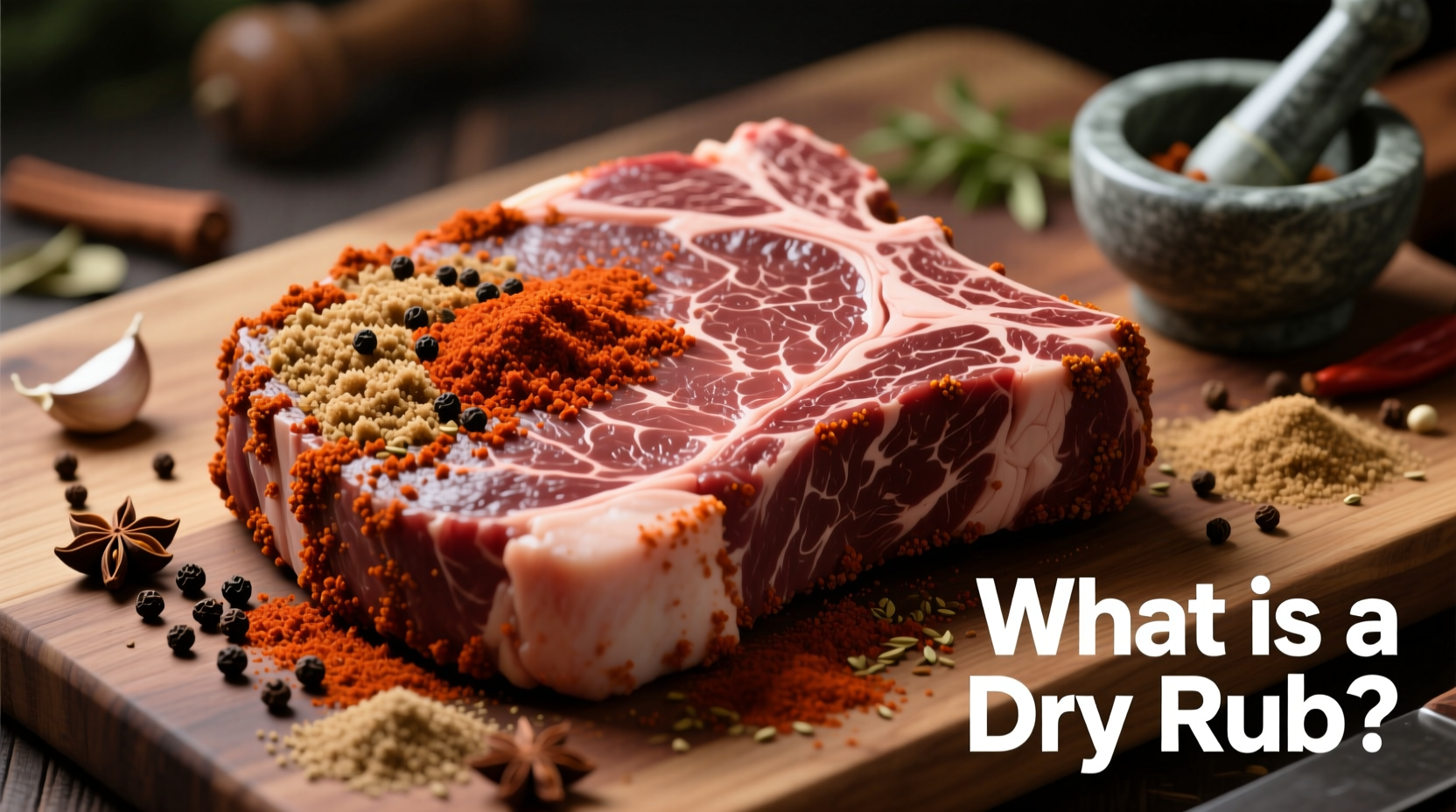
A dry rub is a mixture of dry ingredients applied directly to the surface of food before cooking. It serves multiple purposes: seasoning, forming a flavorful crust (often called a \"bark\" in barbecue), enhancing Maillard browning, and preserving moisture. Unlike wet marinades that penetrate via liquid diffusion, dry rubs work primarily through osmosis, surface adhesion, and thermal transformation during cooking.
Dry rubs have roots in global culinary traditions. In the American South, spice blends were used to preserve and flavor meats before refrigeration. Caribbean jerk seasoning, North African ras el hanout, and Indian tandoori masalas are all regional variations of dry rub principles. Today, dry rubs are central to barbecue culture, especially in American smoked meats, but their applications extend far beyond.
The effectiveness of a dry rub lies not just in its ingredients, but in its method of application and timing. A well-formulated rub doesn’t overpower; it layers flavor, balances heat, sweetness, salt, and umami, and complements—not competes with—the natural taste of the ingredient it seasons.
Key Characteristics
Dry rubs vary widely, but their core characteristics define their function and impact:
| Characteristic | Description |
|---|---|
| Flavor Profile | Can be smoky, sweet, spicy, savory, herbal, or tangy depending on blend. Common profiles include paprika-based (smoked or sweet), chili-forward, herb-dominant (like herbes de Provence), or sugar-heavy (for caramelization). |
| Aroma | Highly aromatic due to volatile oils in spices like cumin, coriander, garlic powder, and mustard. Releases fragrance when heated. |
| Color/Form | Granular or powdered texture. Color ranges from deep red (paprika/chili) to golden (mustard/turmeric) to brown (coffee/cocoa blends). |
| Heat Level | Adjustable—from mild (sweet paprika, onion) to fiery (cayenne, crushed red pepper). Heat can be controlled by type and quantity of chilies. |
| Culinary Function | Seasoning, bark formation, moisture retention, flavor layering, color development. |
| Shelf Life | 6–12 months when stored in an airtight container away from light and heat. Whole spices last longer; pre-ground blends degrade faster. |
Practical Usage: How to Use a Dry Rub Effectively
The success of a dry rub depends on three factors: formulation, application, and timing. Used correctly, it enhances texture and depth. Used poorly, it can result in a gritty, salty, or unevenly seasoned dish.
Step-by-Step Application Guide
- Select or formulate your rub: Match the profile to your protein. A coffee-chili rub suits beef; a lemon-pepper blend fits chicken or fish.
- Pat the food dry: Moisture prevents adhesion. Use paper towels to dry the surface thoroughly—this is critical for bark formation.
- Optional binder step: Lightly coat the surface with oil, mustard, or hot sauce. This helps the rub adhere, especially on lean proteins. Avoid over-oiling, which can cause burning.
- Apply generously and evenly: Sprinkle the rub over all surfaces, then press it in with fingertips. Don’t sprinkle and walk away—massage ensures full coverage.
- Rest before cooking: Let the food sit with the rub for at least 30 minutes at room temperature, or refrigerate for 1–12 hours. Longer rest times allow salt to penetrate and season internally.
- Cook using dry-heat methods: Grilling, smoking, roasting, or searing yield the best results. Avoid boiling or steaming, which washes away the rub.
Recommended Ratios by Protein
- Beef (brisket, ribs): 1 tablespoon per pound. Use salt-heavy rubs (1–1.5% salt by weight) for moisture retention.
- Pork (shoulder, chops): 1 tbsp/lb. Include brown sugar for caramelization and smoke absorption.
- Chicken (whole, thighs, wings): 2 tsp/lb. Reduce salt if skin is present to avoid over-salting.
- Fish and seafood: 1 tsp/lb. Use delicate blends—avoid excessive salt and heat. Apply shortly before cooking.
- Vegtables and tofu: 1–2 tsp per cup. Pair with oil for even coating. Grill or roast for best results.
Pro Tip: For competition-style barbecue, apply half the rub, let sit 30 minutes, reapply (\"double-rubbing\") to build a thicker bark. This technique enhances texture without increasing internal saltiness.
Variants & Types of Dry Rubs
Dry rubs fall into several functional categories based on purpose, region, and ingredient balance. Understanding these types helps match the right rub to the right dish.
1. Competition BBQ Rubs
Used in professional barbecue circuits, these are precision-blended for maximum bark, flavor complexity, and appearance. Often contain dextrose or maltodextrin for consistent browning, along with balanced salt-sugar ratios. Examples: Memphis-style pork rubs with paprika and garlic; Texas beef rubs heavy on coarse black pepper and kosher salt.
2. Sweet Rubs
High in sugar (brown sugar, turbinado, or honey powder) to promote caramelization. Ideal for ribs, pork shoulder, and grilled vegetables. Risk of burning above 350°F—best used in low-and-slow smoking or finished under indirect heat.
3. Savory/Umami Rubs
Low sugar, high in salt, garlic, onion, mustard, and umami boosters like mushroom powder or soy granules. Excellent for steak, lamb, and mushrooms. Enhances natural savoriness without sweetness.
4. Herbal Rubs
Dominant in Mediterranean and French cuisine. Feature rosemary, thyme, oregano, marjoram, and lavender. Often paired with lemon zest and minimal salt. Best on chicken, fish, and roasted vegetables.
5. Spicy Heat Rubs
Centered on chili powders (ancho, chipotle, cayenne), black pepper, and horseradish. Designed for heat lovers. Use cautiously—start with 1 tsp/lb and adjust. Pairs well with cooling sides like slaw or yogurt sauce.
6. Coffee & Cocoa-Based Rubs
Gaining popularity for beef and game meats. Ground coffee or cocoa powder adds bitterness and depth, mimicking char without burning. Often blended with chili, cinnamon, and smoked paprika. Creates a rich, earthy crust.
| Rub Type | Best For | Salt Level | Sugar Level | Key Ingredients |
|---|---|---|---|---|
| Competition BBQ | Brisket, Ribs | High | Medium | Paprika, salt, sugar, garlic, cumin |
| Sweet | Pork, Chicken Wings | Medium | High | Brown sugar, cinnamon, paprika |
| Savory/Umami | Steak, Lamb | High | Low | Mustard, garlic, onion, black pepper |
| Herbal | Chicken, Fish, Veggies | Low | Low | Rosemary, thyme, lemon zest |
| Spicy Heat | Chili, Jerk Pork | Medium-High | Variable | Cayenne, chipotle, black pepper |
| Coffee/Cocoa | Beef, Venison | Medium | Low-Medium | Ground coffee, cocoa, chili |
Comparison with Similar Ingredients
Dry rubs are often confused with other seasoning methods. While related, each has distinct functions and outcomes.
| Method | Form | Penetration | Primary Function | Best Used With |
|---|---|---|---|---|
| Dry Rub | Dry blend | Surface + shallow osmotic penetration (salt) | Crust formation, seasoning, browning | Grilling, smoking, roasting |
| Marinade | Liquid (oil, acid, herbs) | Moderate (acid breaks down fibers) | Tenderizing, flavor infusion | Lean meats, chicken, tofu |
| Wet Rub | Paste (rub + oil/mustard) | Surface adhesion enhanced | Stickiness, bark promotion | Smoking, grilling |
| Spice Blend (e.g., garam masala) | Dry mix | Added during cooking | Flavor base for sauces/stews | Sautéing, braising |
| Seasoning Salt | Salt-heavy dry mix | Deep salt penetration | Salt delivery + minor flavor | All-purpose, but risk of over-salting |
Unlike marinades, dry rubs do not tenderize but excel at creating texture and concentrated flavor. Wet rubs are hybrids—dry rubs mixed with a liquid binder—and offer better adhesion. True spice blends are typically cooked into dishes, while dry rubs remain surface-focused.
Practical Tips & FAQs
How much dry rub should I use?
As a rule, use 1 tablespoon per pound of meat for robust coverage. For delicate items like fish or vegetables, reduce to 1–2 teaspoons per pound. Adjust based on rub composition—high-salt blends require less.
Should I salt separately if my rub contains salt?
No. Most commercial and homemade dry rubs already contain salt (typically 30–50% of the blend). Adding extra salt risks over-seasoning. If making your own, aim for 1% salt by weight of the meat, distributed between the rub and any additional seasoning.
Can I use a dry rub on vegetarian proteins?
Absolutely. Tofu, tempeh, portobello mushrooms, and cauliflower steaks respond exceptionally well. Press tofu first, then apply rub with a light oil coating. Roast or grill for best results.
How long can I store a dry rub?
Homemade dry rubs retain potency for 6 months; store-bought up to 12 months. Keep in an airtight glass jar away from sunlight and heat. Discard if aroma fades or clumping occurs (sign of moisture exposure).
Can I make my own dry rub?
Yes—and it’s recommended. Commercial blends often contain anti-caking agents and excess salt. A simple base formula: 4 parts paprika, 2 parts brown sugar, 1 part garlic powder, 1 part onion powder, 1 part salt, ½ part black pepper, ½ part cumin. Adjust to taste.
Why isn’t my rub forming a bark?
Bark requires time, smoke, and proper moisture management. Ensure the meat is dry before applying rub, use a low-sugar or no-sugar rub for extended smoking, and avoid wrapping too early (if using the Texas crutch). Maintain a steady 225–250°F smoke environment.
Is a dry rub the same as a seasoning blend?
Not exactly. All dry rubs are seasoning blends, but not all seasoning blends are designed as rubs. Rubs are formulated for surface adherence and heat stability, whereas general blends may include delicate herbs that burn easily.
Expert Insight: “The magic of a dry rub isn’t just in the spices—it’s in the timing. Applying the rub 12–24 hours before cooking allows salt to migrate inward, seasoning the meat from within while the surface dries, setting up perfect bark formation.” — Chef Marcus Chen, Pitmaster & Culinary Instructor
Summary & Key Takeaways
Dry rubs are essential for building deep, textured flavor in grilled, smoked, and roasted foods. They are more than just a sprinkle of spices—they are a strategic tool combining chemistry, timing, and craftsmanship.
- Dry rubs season the surface and form a flavorful crust, enhancing both taste and texture.
- They work through osmosis (salt penetration) and thermal browning (Maillard reaction).
- Effective application requires drying the food surface, pressing the rub in, and allowing adequate rest time.
- Different types—sweet, savory, herbal, spicy, coffee-based—serve specific culinary roles.
- They differ from marinades, wet rubs, and general spice blends in function and outcome.
- Homemade rubs offer superior control over flavor, salt, and freshness.
- Proper storage preserves potency for up to a year.
Mastering the dry rub elevates everyday cooking into an art. Whether you’re preparing backyard ribs or gourmet duck breast, understanding how dry rubs work empowers you to create restaurant-quality results at home. Start with a simple blend, experiment with ratios, and observe how small changes in ingredients or timing transform the final dish. The next time you reach for salt and pepper, consider reaching for a thoughtfully crafted dry rub instead.
Ready to create your signature blend? Begin with a base of paprika, salt, garlic, and black pepper—then build from there.




 浙公网安备
33010002000092号
浙公网安备
33010002000092号 浙B2-20120091-4
Comments
No comments yet. Why don't you start the discussion?