
Soffrito is not just an ingredient—it’s the aromatic soul of countless dishes across Mediterranean, Latin American, and Caribbean cuisines. More than a simple sauté, soffrito forms the foundational layer of flavor upon which entire meals are built. Whether you're simmering a pot of beans, braising chicken, or crafting a rich tomato sauce, understanding soffrito is essential for mastering depth, complexity, and authenticity in home cooking. Yet, despite its widespread use, confusion persists about what soffrito actually is, how it varies by region, and how best to incorporate it into everyday meals. This guide clarifies its role, breaks down its components, and provides practical guidance for using soffrito to elevate your culinary results.
Definition & Overview
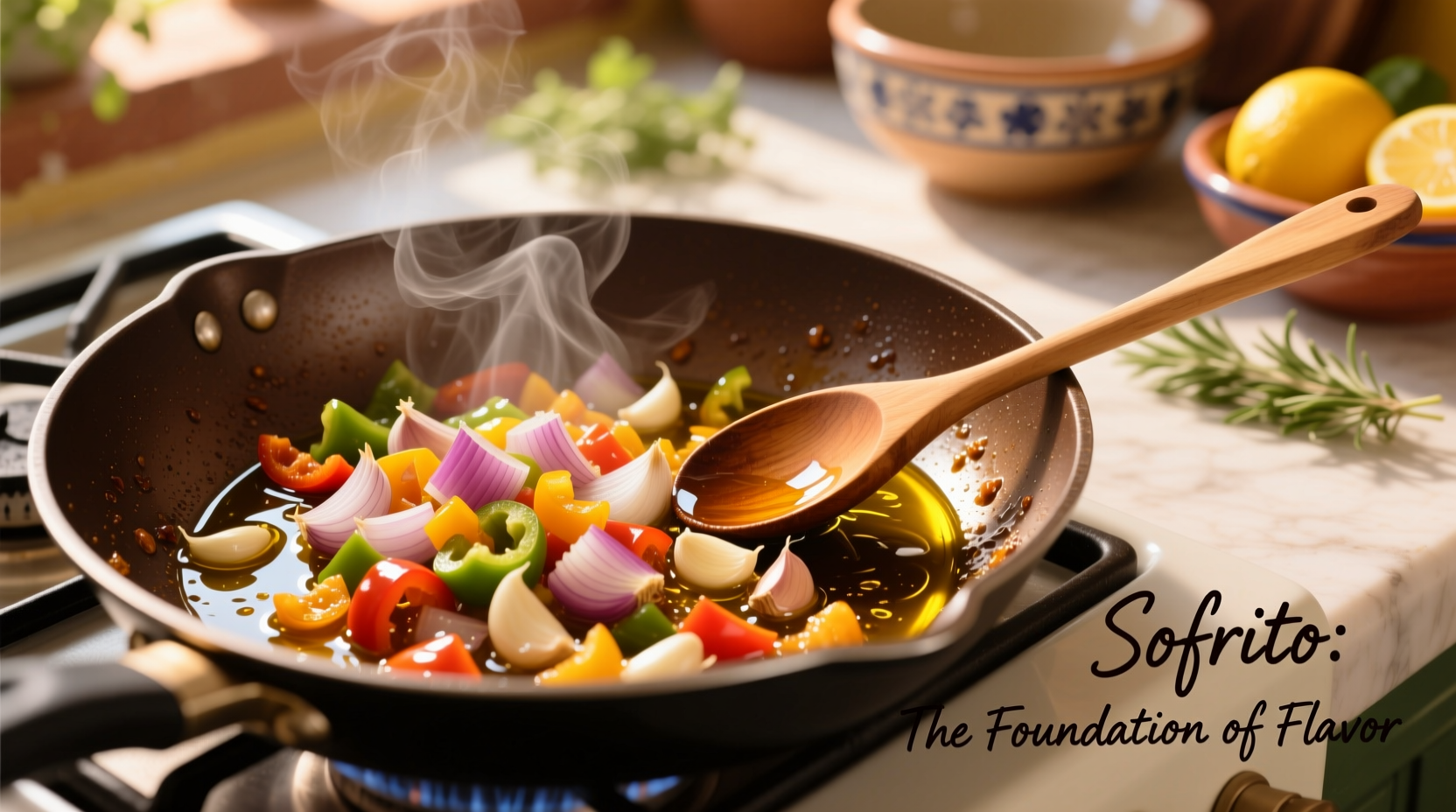
The term soffrito—from the Italian “soffriggere,” meaning “to lightly fry”—refers to a mixture of aromatics gently cooked in fat to release their essential oils and build a complex flavor base. While the concept exists globally (think French mirepoix or Chinese ginger-scallion oil), soffrito specifically denotes versions used in Italian, Spanish, Puerto Rican, Cuban, Dominican, and broader Latin American kitchens. Unlike raw chopped vegetables, soffrito undergoes slow sweating or sautéing, transforming sharp, raw notes into sweet, savory, and deeply umami-rich foundations.
In Italy, soffrito typically consists of finely diced onion, carrot, and celery sautéed in olive oil or butter—a trinity known as soffritto classico. In contrast, Latin American and Caribbean iterations often blend onions, bell peppers, garlic, tomatoes, and herbs like culantro or cilantro, then purée the mix into a vibrant paste. These differences reflect local ingredients, culinary traditions, and cooking techniques, but all share the same purpose: to serve as the first step in building layered flavor.
Key Characteristics
| Characteristic | Description |
|---|---|
| Flavor Profile | Savory, sweet, aromatic; varies from earthy and herbal (Italian) to bright and pungent (Caribbean) |
| Aroma | Fragrant with notes of garlic, onion, green pepper, and herbs; intensifies when heated in oil |
| Color/Form | Pale golden (Italian) or deep red-green (Latin/Caribbean); can be chunky or puréed |
| Culinary Function | Flavor base for soups, stews, rice, beans, sauces, and braises |
| Heat Level | Non-spicy unless hot peppers or spices are added |
| Shelf Life | Fresh: 5–7 days refrigerated; frozen: up to 6 months |
| Fat Base | Olive oil, lard, or vegetable oil depending on tradition |
Practical Usage: How to Use Soffrito in Cooking
Soffrito is never a standalone dish. It functions as the starting point—the “flavor ignition”—in a wide range of recipes. The method of use depends on the type of soffrito and the cuisine, but the principle remains consistent: cook it slowly at the beginning of a recipe to extract maximum aroma and sweetness.
Step-by-Step Integration in Home Cooking
- Choose Your Fat: Heat 2–3 tablespoons of olive oil, lard, or neutral oil in a heavy-bottomed pot or skillet over medium-low heat.
- Add the Soffrito: Stir in ½ to 1 cup of prepared soffrito (adjust based on dish size). For homemade Italian soffritto, add raw diced vegetables directly.
- Sweat, Don’t Brown: Cook gently for 8–12 minutes, stirring frequently, until vegetables soften and become translucent. Avoid browning, which can introduce bitterness.
- Layer Additional Aromatics: Add garlic, dried herbs, or spices after the soffrito has softened to prevent burning.
- Proceed with Recipe: Add liquids (broth, tomatoes, wine) or proteins to build the dish.
For example, in making arroz con pollo, begin by frying soffrito in oil until fragrant, then add chicken pieces to sear. Deglaze with white wine, stir in rice, and finish with broth and saffron. The result is a cohesive, deeply flavored one-pot meal where every grain absorbs the essence of the soffrito.
Pro Tip: Freeze soffrito in ice cube trays for portioned use. Once solid, transfer cubes to a freezer bag. One cube equals approximately 2 tablespoons—perfect for small batches of soup or sauce.
Professional Kitchen Applications
In restaurant settings, chefs often prepare large batches of soffrito in advance to ensure consistency and save time. Italian kitchens may sweat mirepoix-style bases in butter for risotto or ragù, while Caribbean kitchens might use pre-made frozen soffrito paste to expedite stewed oxtail or black bean preparations. Some upscale Latin restaurants even offer house-blended soffritos infused with roasted garlic, smoked paprika, or fresh ají dulce peppers for added complexity.
Pairing Suggestions & Ratios
- Rice Dishes: Use ¼ to ½ cup soffrito per 1 cup of uncooked rice.
- Bean Stews: Add ½ cup soffrito per pound of dried beans during the simmering phase.
- Tomato Sauces: Combine Italian soffrito with crushed tomatoes; cook 20+ minutes to meld flavors.
- Seafood: Lightly sauté soffrito before adding fish stock or shellfish for ceviche reductions or seafood rice.
Variants & Types of Soffrito
Soffrito is not a monolithic ingredient. Its composition shifts dramatically by region, reflecting available produce, cultural influences, and historical trade routes. Understanding these variations helps cooks choose or make the right version for their intended dish.
Italian Soffritto
The Italian version, also called soffritto classico, relies on a 2:1:1 ratio of onion, carrot, and celery, finely minced and cooked slowly in olive oil or butter. Sometimes pancetta or garlic is added for extra depth. This version is foundational in risotto, osso buco, and minestrone.
Spanish Sofrito
Spanish sofrito often includes tomatoes and sometimes paprika, creating a richer, redder base. It may be reduced further into a concentrated paste called tomate frito. Used in paella, lentil stews, and potato dishes like tortilla española.
Puerto Rican & Dominican Soffrito (Recaito)
This vibrant green version blends onions, cubanelle peppers, garlic, culantro, and cilantro, often with tomato omitted to keep it green (recaito). When tomato is added, it becomes a red-hued sofrito. It's puréed and used in dishes like habichuelas guisadas (stewed beans) and pasteles.
Cuban Sofrito
Cuban soffrito includes onions, garlic, green peppers, and often tomato and cumin. It's sautéed with annatto oil (achiote oil) for color and earthiness, forming the base of ropa vieja and picadillo.
Caribbean Variations with Root Aromatics
In some islands, especially Trinidad and the Lesser Antilles, soffrito may include dasheen (taro leaf stalk), shado beni (similar to culantro), or even breadfruit as thickening agents. These versions are intensely herbal and require longer cooking to soften fibrous elements.
| Region | Core Ingredients | Texture | Typical Use |
|---|---|---|---|
| Italy | Onion, carrot, celery, olive oil/butter | Finely diced, sautéed | Risotto, ragù, soups |
| Spain | Onion, tomato, garlic, olive oil, paprika | Puréed, reduced | Paella, stews, sauces |
| Puerto Rico | Onion, pepper, garlic, culantro, cilantro | Smooth purée | Beans, rice, stews |
| Cuba | Onion, garlic, pepper, tomato, cumin | Paste-like | Meat dishes, rice |
| Dominican Republic | Onion, garlic, pepper, tomato, oregano | Liquid purée | Moros y cristianos, sancocho |
Comparison with Similar Ingredients
Soffrito is often confused with other aromatic bases. While they share a similar function, key differences in ingredients, preparation, and application set them apart.
| Ingredient | Base Components | Key Differences from Soffrito |
|---|---|---|
| Mirepoix | Onion, carrot, celery (French) | No garlic or tomato; always raw, never puréed; used primarily in French and Cajun cuisine |
| Holy Trinity (Cajun/Creole) | Onion, celery, green bell pepper | Similar ratio to mirepoix but omits carrot; includes bell pepper like soffrito; used in gumbo, jambalaya |
| Picada (Spanish) | Almonds, garlic, herbs, breadcrumbs | Added at end of cooking; serves as thickener and flavor booster, not a base |
| Concassé | Peeled, seeded, chopped tomatoes | Refers only to tomato prep; may be part of soffrito but not a complete base |
| Bouquet Garni | Thyme, bay leaf, parsley tied in a bundle | Herb bundle steeped in liquid; removed before serving; complements but doesn’t replace soffrito |
“Soffrito is the DNA of flavor in our kitchen. Without it, even the finest ingredients taste flat. It’s not optional—it’s non-negotiable.” — Chef María Santos, Puerto Rican culinary instructor and cookbook author
Practical Tips & FAQs
Can I buy soffrito, or should I make it?
Both options work. Store-bought soffrito (found in glass jars or frozen) is convenient and consistent, especially in Latin grocery stores. However, homemade soffrito allows control over ingredients, salt levels, and freshness. Many cooks blend a large batch and freeze it for weekly use.
How do I store soffrito?
Refrigerate fresh soffrito in an airtight container for up to one week. For longer storage, freeze in portions. Top with a thin layer of oil to prevent oxidation. Thaw in the refrigerator before use.
What if I don’t have culantro or recao?
Culantro (Eryngium foetidum) has a stronger, more pungent flavor than cilantro. If unavailable, substitute with extra cilantro or a combination of cilantro and flat-leaf parsley. Note that the flavor will be milder.
Can I use dried herbs instead of fresh?
No. Fresh herbs are essential in soffrito. Dried herbs lack the bright, grassy notes and can become bitter when cooked. Stick to fresh cilantro, culantro, oregano brujo (wild oregano), or Italian parsley as needed.
Is soffrito vegan and gluten-free?
Yes, traditional soffrito is naturally vegan and gluten-free. Always check labels on commercial versions, as some brands may add animal fats (like lard) or preservatives containing gluten.
Can I customize my soffrito?
Absolutely. Many home cooks adapt soffrito to personal taste or seasonal availability. Try roasting the vegetables first for a deeper flavor, or adding ají dulce peppers (non-spicy Caribbean chiles) for subtle heat and fruitiness.
Make-Ahead Checklist:
- Wash and chop all vegetables
- Use a food processor for consistent texture
- Portion into ½-cup containers or ice cube trays
- Label with date and type (e.g., “Puerto Rican Green Soffrito”)
- Freeze for up to 6 months
Summary & Key Takeaways
Soffrito is far more than a chopped vegetable mix—it is the cornerstone of flavor development in diverse global cuisines. Whether preparing a delicate Italian risotto or a robust Caribbean stew, beginning with a proper soffrito ensures depth, balance, and authenticity.
- Soffrito varies by region: Italian (onion-carrot-celery), Spanish (tomato-garlic-paprika), and Latin/Caribbean (onion-pepper-garlic-herbs).
- It must be gently cooked in fat to release flavor without browning.
- Homemade versions offer superior taste and flexibility; freezing extends usability.
- It differs from mirepoix and the Holy Trinity in ingredient composition and culinary role.
- Never skip this step—doing so sacrifices the foundational layers that define great cooking.
Start small: Prepare one batch of your preferred soffrito this week. Use it in two different dishes—one traditional, one experimental—and taste the difference it makes. Once you master this essential technique, you’ll wonder how you ever cooked without it.




 浙公网安备
33010002000092号
浙公网安备
33010002000092号 浙B2-20120091-4
Comments
No comments yet. Why don't you start the discussion?