
Chicken Tikka Masala dominates Western menus as a quintessential Indian dish, yet its true flavor foundation remains misunderstood by many. While often assumed to rely on a single pre-mixed curry powder, the depth of its taste emerges from a carefully balanced blend of whole and ground spices, layered during cooking. The authenticity of this globally beloved dish lies not in a jar but in technique and proportion. Understanding the real spice profile behind Chicken Tikka Masala empowers cooks to move beyond canned pastes and generic blends, unlocking restaurant-quality results at home. This article dissects the genuine spice architecture of the dish, clarifying misconceptions and providing actionable guidance for recreating its complex warmth, tang, and subtle sweetness with precision.
Definition & Overview
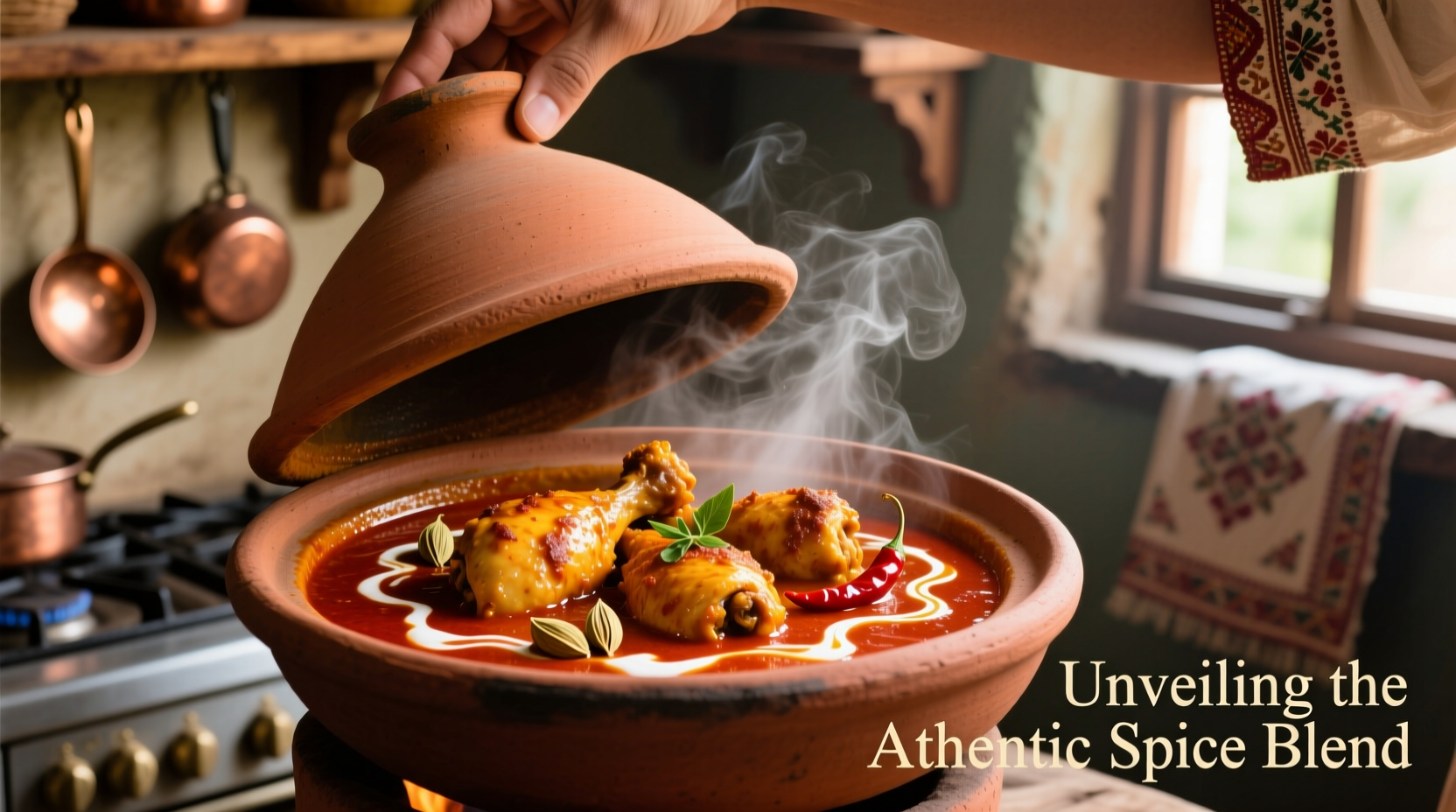
Chicken Tikka Masala is widely regarded as a British-Indian culinary invention, though inspired by North Indian tandoori traditions. It consists of marinated, grilled chicken pieces (tikka) simmered in a creamy, spiced tomato sauce. Despite its contested origin—some claim Glasgow, others London—the dish’s popularity has cemented it as a global comfort food. However, the perception that it relies on a monolithic “curry powder” misrepresents Indian cooking philosophy, which favors freshly assembled blends tailored to each dish.
The authentic spice blend in Chicken Tikka Masala isn’t a proprietary mix but a dynamic combination of aromatic spices used in stages: some toasted and ground, others bloomed in oil, and a few added toward the end to preserve volatile oils. This layering creates a multidimensional flavor profile far beyond what any single commercial product can replicate. The core objective is harmony—balancing heat, earthiness, sweetness, and acidity—without overwhelming the palate.
In traditional Indian kitchens, no two versions are identical. Regional variations, family recipes, and chef intuition shape the final blend. Yet certain spices remain consistent across authentic preparations. Recognizing these fundamentals allows cooks to build their own authoritative version, adapting to taste while honoring the dish’s structural integrity.
Key Characteristics
The authentic spice blend in Chicken Tikka Masala delivers a sensory experience defined by warmth rather than searing heat, fragrance over pungency, and complexity without confusion. Below are its defining attributes:
- Flavor Profile: Earthy, warm, slightly sweet, with floral and citrus undertones; finishes with mild heat and umami depth.
- Aroma: Fragrant and inviting, dominated by toasted cumin, coriander, and garam masala, with hints of smoked paprika or Kashmiri chili.
- Color: Rich orange-red, derived from ground Kashmiri chilies or paprika, enhanced by sautéed onions and tomatoes.
- Heat Level: Mild to medium (3–5/10); heat is present but not dominant, serving to elevate other flavors.
- Culinary Function: Builds foundational aroma (tempering), develops body (onion-tomato base), and finishes with top notes (garam masala).
- Shelf Life (of individual spices): Whole spices last 1–2 years; ground spices retain potency for 6–12 months when stored airtight away from light and moisture.
Expert Tip: For maximum flavor, toast whole spices before grinding. A quick dry roast in a pan releases essential oils and deepens aroma significantly compared to pre-ground alternatives.
Practical Usage: How to Use the Authentic Spice Blend
Authentic Chicken Tikka Masala construction involves three distinct phases of spice application. Mastering this sequence ensures depth and balance.
Phase 1: Marination Spices (Applied to Chicken)
The chicken is first treated with a yogurt-based marinade infused with select spices. This tenderizes the meat and imparts initial flavor before grilling or broiling.
- Ginger-garlic paste (1 tbsp): Provides pungent base notes and enzymatic tenderness.
- Kashmiri red chili powder (1 tsp): Adds vibrant color and mild heat without bitterness.
- Ground cumin (½ tsp): Earthy warmth that penetrates the meat.
- Ground coriander (½ tsp): Citrusy, slightly sweet counterpoint to cumin.
- Turmeric (¼ tsp): Antiseptic properties aid preservation; adds golden hue.
- Lemon juice (1 tbsp): Acidity helps break down proteins for tenderness.
- Yogurt (½ cup): Acts as a carrier, protecting meat from drying during high-heat cooking.
Combine all ingredients and coat chicken thighs or breast cubes. Refrigerate for at least 4 hours, preferably overnight. Grill or broil until charred at edges and cooked through.
Phase 2: Base Sauce Spices (Tempered in Oil)
This stage builds the flavor foundation. Spices are bloomed in fat—a technique called tadka or tempering—to extract lipophilic compounds.
- Mustard oil or ghee (2 tbsp): High smoke point and rich mouthfeel enhance spice dispersion.
- Bay leaf (1): Added at the start for subtle pine-like aroma.
- Cinnamon stick (1-inch piece): Sweet woody note; remove before serving.
- Green cardamom pods (4–6): Floral, eucalyptus-like fragrance; lightly crushed.
- Cloves (3): Intense sweetness and warmth; use sparingly.
- Onions (2 large, finely diced): Cooked slowly until golden brown to develop sweetness.
- Tomatoes (3 large, puréed): Simmered into a thick paste; balances acidity.
- Ground coriander (1 tbsp): Reintroduced here for body.
- Ground cumin (1 tsp): Reinforces savory depth.
- Paprika or Kashmiri chili (1 tbsp): Maintains color and mild heat.
- Optional smoked paprika (½ tsp): Adds charred dimension mimicking tandoor.
Heat oil, add whole spices, sizzle for 30 seconds, then add onions. Cook over medium-low heat for 15–20 minutes until deeply caramelized. Add ginger-garlic paste, cook 2 minutes. Stir in ground spices, cook 1 minute to remove rawness. Add tomato purée and simmer 15–20 minutes until oil separates—a sign of proper reduction.
Phase 3: Finishing Spices (Added at the End)
To preserve volatile aromatics, delicate spices are stirred in during the final minutes.
- Garam masala (1–1½ tsp): A house blend typically including black pepper, nutmeg, mace, and star anise; added off-heat.
- Fresh cream or coconut milk (½ cup): Balances spice and adds silkiness.
- Heavy cream or cashew paste (optional): For richer texture.
- Fresh cilantro (garnish): Bright herbal finish.
Add grilled chicken to the sauce, simmer gently for 8–10 minutes to meld flavors. Remove from heat, stir in garam masala and cream. Do not boil after adding garam masala—this dulls its fragrance.
Pro Technique: For restaurant-style sheen, swirl in a teaspoon of butter at the end (baghaar). This enhances mouthfeel and aroma release.
Variants & Types of Spice Applications
While the core structure remains consistent, regional and cultural interpretations yield notable variants:
1. Traditional Home-Style (North Indian)
Relies entirely on whole spices toasted and ground fresh. Uses minimal cream, favoring reduced onion-tomato gravy thickened with besan (chickpea flour). Heat comes from green chilies rather than powders.
2. Restaurant/British-Indian Pub Version
Emphasizes richness and color. Often includes food coloring (annatto or yellow #5) and heavy cream. May use pre-made tikka masala paste for speed. Garam masala is heavier on cinnamon and cloves.
3. Vegan Adaptation
Replaces yogurt with plant-based alternatives (e.g., soy or coconut yogurt). Cream substituted with cashew or coconut milk. Spices remain unchanged, ensuring authentic flavor profile.
4. Smoked Spice Variation
Increases smoked paprika or uses chilies dried over wood fires. Mimics tandoor-charred tikka. Some chefs even use liquid smoke (sparingly) for effect.
| Variant Type | Spice Adjustments | Best Used For |
|---|---|---|
| Home-Style | More whole spices, less chili powder | Daily cooking, health-conscious meals |
| Restaurant-Style | Higher cream, added color, bold garam masala | Dining out, special occasions |
| Vegan | Same spices, plant-based carriers | Plant-based diets, dairy allergies |
| Smoked | Smoked paprika, charred onions | Grilled dishes, barbecue fusion |
Comparison with Similar Ingredients
Chicken Tikka Masala is frequently confused with other Indian curries. Clarifying distinctions prevents misuse of spices.
| Dish | Spice Profile | Key Differences |
|---|---|---|
| Chicken Tikka Masala | Warm, creamy, mildly spiced, garam masala-forward | Includes cream; finishing spice is critical; moderate heat |
| Butter Chicken (Murgh Makhani) | Sweeter, richer, more tomato-forward | Uses honey or sugar; smoother texture; often less spiced |
| Chicken Vindaloo | Hot, sour, vinegar-heavy | Goan-Portuguese origin; uses mustard seeds, fenugreek, lots of chili |
| Chana Masala | Earthy, tangy, cumin-heavy | Chickpea-based; amchur (mango powder) for tartness; no cream |
Another common misconception is equating \"tikka masala spice mix\" with \"curry powder.\" True Indian cuisine rarely uses generic curry powder. Instead, blends are context-specific. Tikka masala seasoning emphasizes coriander, cumin, and garam masala, whereas generic curry powder may include turmeric-heavy, bitter formulations unsuitable for this dish.
\"The soul of Chicken Tikka Masala isn't in the cream or the chicken—it's in the way the spices are layered. One-dimensional blending kills authenticity.\" — Chef Ritu Dalmia, Michelin-recognized Indian cuisine expert
Practical Tips & FAQs
Q: Can I use store-bought tikka masala paste?
A: Yes, but check labels. Many contain artificial colors, preservatives, and excessive salt. Opt for brands using real spices and tomato. Even then, enhance with fresh garlic, ginger, and a pinch of garam masala at the end.
Q: What’s the best substitute for Kashmiri chili powder?
A: Mix 1 part cayenne with 3 parts sweet paprika. This replicates the color and mild heat. Avoid regular chili powder, which often contains cumin and oregano, altering the flavor.
Q: How do I store homemade spice blend?
A: If pre-mixing a dry spice blend (excluding fresh aromatics), combine: 2 tbsp coriander, 1 tbsp cumin, 1 tbsp paprika, 1 tsp turmeric, ½ tsp fenugreek (optional), ½ tsp black pepper. Store in an airtight jar away from sunlight. Use within 3 months for peak freshness.
Q: Why does my sauce taste flat?
A: Likely causes: spices not bloomed properly, insufficient caramelization of onions, or garam masala boiled. Always fry ground spices in oil for 30–60 seconds before adding liquids. Ensure onions are golden, not pale. Add garam masala off-heat.
Q: Can I make it less creamy?
A: Absolutely. Reduce cream and thicken with puréed lentils or cashews. Some Punjabi homes use a spoon of besan (gram flour) roasted in ghee and whisked in.
Q: Is fenugreek essential?
A: Not mandatory, but it adds a distinctive maple-like undertone found in many restaurant versions. Use ¼ tsp dried fenugreek leaves (kasuri methi) crushed and added at the end. Overuse makes the dish bitter.
Q: How spicy should Chicken Tikka Masala be?
A: Mild to medium. The heat should complement, not dominate. Adjust chili levels based on audience—especially when serving children or sensitive palates.
Storage Tip: Freeze leftover sauce (without cream) for up to 3 months. Thaw, reheat, then add cream and garam masala fresh.
Summary & Key Takeaways
Chicken Tikka Masala’s authentic spice blend is not a fixed formula but a thoughtful orchestration of timing, technique, and ingredient quality. Its essence lies in layering: marinating with earthy cumin and coriander, building depth with tempered whole spices, and finishing with fragrant garam masala. Far from relying on a single jarred mix, the dish thrives on attention to process—slow-cooked onions, proper blooming, and gentle integration of dairy.
The most critical insight is this: authenticity in Indian-inspired dishes comes not from rigid recipes but from understanding function. Each spice plays a role—cumin for warmth, coriander for brightness, chili for color and mild heat, garam masala for aromatic closure. Mastery lies in balancing these elements to create harmony, not dominance.
Home cooks can achieve restaurant-quality results by investing in whole spices, toasting them before use, and respecting the three-phase method. Whether adapting for dietary needs or personal taste, the framework remains reliable. With this knowledge, Chicken Tikka Masala transforms from a takeout staple into a signature dish rooted in culinary intelligence.
Final Challenge: Make two batches—one using a store-bought paste, another using the layered spice method described here. Taste them side by side. The difference in complexity and authenticity will be unmistakable.




 浙公网安备
33010002000092号
浙公网安备
33010002000092号 浙B2-20120091-4
Comments
No comments yet. Why don't you start the discussion?