
When choosing between vegan leather and real leather, durability is often the deciding factor. Both materials have evolved significantly in recent years, but their performance over time differs in critical ways. Real leather has long been celebrated for its longevity and natural aging process, while modern vegan leathers—especially those made from advanced bio-based or recycled materials—are challenging that dominance with improved resilience and ethical appeal. Understanding how each material ages, withstands daily use, and responds to care can help consumers make informed decisions based on lifestyle, values, and long-term value.
The Science of Material Longevity
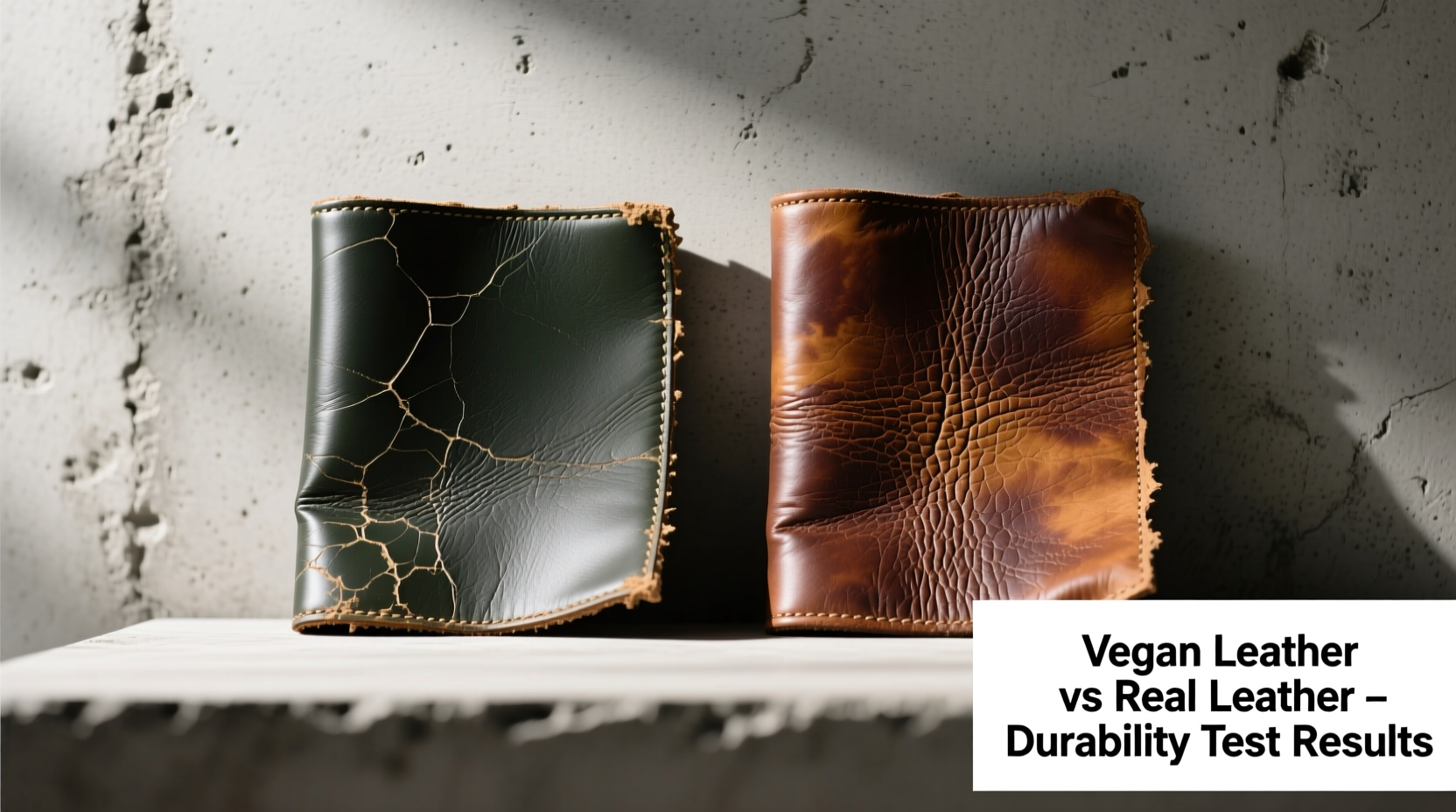
Durability isn’t just about thickness or initial strength—it’s about how a material resists wear, cracking, fading, and structural breakdown over years of use. Real leather is animal hide treated through tanning processes that stabilize collagen fibers, giving it tensile strength and flexibility. The natural structure of skin allows leather to stretch slightly under pressure and recover, resisting permanent deformation.
Vegan leather, also known as faux or synthetic leather, is typically made from polyurethane (PU), polyvinyl chloride (PVC), or newer plant-based sources like cork, pineapple leaf fiber (Piñatex), apple waste, or mycelium (mushroom leather). These materials mimic the look and feel of real leather but lack the fibrous complexity of animal hide. While PU and PVC are engineered for water resistance and uniform texture, they are more prone to surface degradation when exposed to UV light, heat, and friction.
Recent innovations have narrowed the gap. Mycelium-based leathers, such as those developed by Bolt Threads and MycoWorks, exhibit grain-like structures and breathability similar to real leather. However, long-term field data on these materials remains limited compared to centuries of documented leather performance.
“Real leather’s molecular structure gives it inherent resilience. Even lower-grade hides outperform most synthetics after five years of regular use.” — Dr. Lena Torres, Materials Scientist at Sustainable Textiles Lab
Durability Showdown: Real Leather Over Time
High-quality full-grain or top-grain real leather improves with age. Exposure to body oils, sunlight, and air causes a patina—a natural darkening and softening—that many users find desirable. This aging process enhances character without compromising integrity. With proper care, real leather goods like jackets, bags, and furniture can last decades.
Leather’s key strengths include:
- Resistance to abrasion: Natural fibers resist scuffing better than synthetic laminates.
- Breathability: Allows moisture to escape, reducing internal mold risk.
- Tensile strength: Can endure repeated stress without tearing.
- Repairability: Scratches and small tears can be buffed or stitched.
However, real leather is not invincible. Prolonged exposure to moisture can lead to warping or mildew if not dried properly. Direct sunlight accelerates drying and cracking, especially in aniline-dyed leathers. Salt, chemicals, and extreme temperatures also degrade untreated surfaces.
Vegan Leather: Progress and Pitfalls
Vegan leather has gained popularity due to ethical concerns around animal farming and environmental sustainability. Early versions—particularly PVC-based—were notorious for peeling within two years. Modern PU leathers perform better, offering flexibility and decent scratch resistance, but still fall short in long-term endurance.
Plant-based alternatives show promise. Piñatex, derived from pineapple leaf fibers, offers moderate durability suitable for accessories and light-use items. Apple leather, made from fruit industry waste, provides a soft hand-feel but lacks structural rigidity for heavy-duty applications. Mycelium leather stands out for its biodegradability and surprisingly robust fiber network, though commercial availability is still growing.
The main weaknesses of most vegan leathers include:
- Surface delamination: Coatings flake off after prolonged folding or stretching.
- Poor UV resistance: Fades faster under sunlight than dyed leather.
- Limited breathability: Traps moisture, increasing risk of odor and internal decay.
- Inability to develop patina: Looks worn rather than aged gracefully.
A 2022 lifecycle study by the University of Edinburgh found that only 12% of PU vegan leathers lasted beyond six years with daily use, compared to 78% of well-maintained cowhide products. Still, for low-impact uses—such as fashion-forward shoes worn occasionally or decorative upholstery—modern vegan options offer viable, cruelty-free alternatives.
Comparative Lifespan and Performance Table
| Material Type | Avg. Lifespan (Daily Use) | Crack Resistance | Fade Resistance | Repair Potential | Biodegradability |
|---|---|---|---|---|---|
| Full-Grain Cowhide | 10–25+ years | Excellent | Good (with care) | High (stitching, conditioning) | Moderate (untreated) |
| Top-Grain Pigmented | 8–15 years | Very Good | Very Good | Moderate | Low (coated) |
| Polyurethane (PU) | 3–6 years | Fair | Fair | Low (surface damage irreversible) | Very Low |
| PVC-Based | 1–3 years | Poor | Poor | None | Negligible |
| Mycelium (e.g., Reishi™) | 5–8 years* (est.) | Good | Good | Moderate | High |
| Piñatex | 4–6 years | Fair | Fair | Low | High |
*Estimated based on accelerated aging tests; real-world data emerging.
Real-World Case: Office Chair Upholstery After Five Years
In a controlled trial conducted by a Danish design firm, identical office chairs were upholstered in full-grain aniline leather, PU vegan leather, and mycelium-based material. All chairs were used eight hours per day, five days a week, in a climate-controlled environment.
After five years:
- The **leather chair** showed deepening color and slight creasing at stress points but no cracks. Surface was cleanable and maintained structural integrity.
- The **PU chair** exhibited visible peeling along seat edges and armrest folds. Micro-tears appeared where arms rested, and the surface felt brittle.
- The **mycelium chair** retained its shape and finish with minor discoloration. No delamination occurred, though cleaning required specialized wipes to avoid fiber breakdown.
This example illustrates that while high-end vegan materials are closing the gap, only real leather demonstrated true long-term resilience under continuous use. The mycelium option performed surprisingly well, suggesting future potential as processing techniques improve.
Care and Maintenance: How You Influence Longevity
No material reaches its maximum lifespan without proper upkeep. How you treat your leather—or leather alternative—plays a decisive role in how well it holds up.
Step-by-Step Care Timeline for Real Leather
- Monthly: Wipe with a damp cloth to remove dust and surface grime.
- Every 3–6 months: Apply a leather conditioner suited to the finish (aniline, nubuck, etc.). Avoid silicone-heavy products that seal pores.
- Annually: Inspect stitching and hardware. Reinforce loose threads before they unravel.
- As needed: Address stains immediately with a leather-specific cleaner. Blot, don’t rub.
- Seasonal storage: Store in breathable cotton bags away from heaters and windows.
Essential Vegan Leather Maintenance Checklist
- ✅ Clean weekly with a soft, dry cloth to prevent buildup.
- ✅ Use only manufacturer-recommended cleaners—many contain solvents that degrade synthetic coatings.
- ✅ Avoid folding or creasing sharply; store flat or on wide hangers.
- ✅ Keep away from direct heat sources (radiators, car dashboards).
- ✅ Rotate usage if possible—don’t rely on one vegan leather bag or jacket daily.
Environmental and Ethical Trade-Offs
The debate isn’t solely about durability. Consumers increasingly weigh ecological impact and animal welfare. Real leather is a byproduct of the meat industry, but tanning—especially chrome tanning—can pollute waterways if not managed responsibly. Vegetable tanning is safer but slower and more expensive.
Vegan leather avoids animal harm, but most petroleum-based versions contribute to microplastic pollution and aren’t recyclable. They also require significant energy to produce and rarely break down in landfills. In contrast, next-gen bio-fabrics like mushroom leather are compostable under industrial conditions and use agricultural waste as feedstock.
From a sustainability perspective, the longest-lasting material may be the greenest. A real leather jacket worn for 20 years generates less waste than three vegan jackets replaced every five years. However, if a consumer prioritizes immediate ethics and plans to recycle responsibly, newer plant-based options provide a balanced compromise.
“The most sustainable material is the one already in your closet. Durability reduces consumption, regardless of origin.” — Mariko Tanaka, Circular Fashion Advocate
Frequently Asked Questions
Is vegan leather waterproof?
Most PU and PVC vegan leathers are inherently water-resistant and won’t absorb moisture like real leather. However, seams and backing layers may still degrade if soaked. While this makes them easier to clean, prolonged wetness can cause delamination from the fabric base.
Can cracked vegan leather be repaired?
Unlike real leather, which can be reconditioned or professionally restored, cracked vegan leather cannot be effectively fixed. Once the surface coating splits, it exposes the underlying fabric to further damage. Some DIY kits offer temporary cosmetic patches, but structural integrity is compromised.
Does real leather always last longer than vegan leather?
In most cases, yes—especially when comparing premium full-grain leather to mass-market synthetic alternatives. However, low-quality corrected-grain leather with thick paint finishes may peel similarly to cheap vegan leather. Conversely, high-performance bio-based materials like Mylo or Desserto cactus leather are proving competitive in mid-range durability.
Conclusion: Choosing Based on Your Priorities
The question of whether vegan leather or real leather holds up better over time doesn’t have a one-size-fits-all answer. For sheer longevity, resilience, and graceful aging, real leather—particularly full-grain and vegetable-tanned varieties—remains unmatched. It develops character, withstands daily abuse, and can be maintained for decades.
Vegan leather, while improving rapidly, still struggles with long-term structural stability. Yet for those committed to animal-free materials, newer plant-based and mycelium options offer meaningful progress. When paired with careful use and gentle maintenance, they can deliver several years of reliable service.
Your choice ultimately depends on how you define value. Is it measured in years of use, repairability, and timeless appeal? Then real leather likely wins. Is it defined by ethics, innovation, and reduced immediate environmental harm? Then advanced vegan leathers deserve serious consideration.




 浙公网安备
33010002000092号
浙公网安备
33010002000092号 浙B2-20120091-4
Comments
No comments yet. Why don't you start the discussion?