
There’s a quiet disappointment in noticing the first fallen leaf at the base of your favorite houseplant. You water it regularly, place it near the window, and even talk to it—so why is it still shedding? Leaf drop is one of the most common signs of stress in indoor plants, and while it's often blamed on neglect, the real culprit is frequently mismanagement: especially when it comes to watering. The truth is, most people don’t just under-water or over-water—they do both, often within the same week. A rigid schedule without observation leads to inconsistent moisture levels that confuse plant roots and trigger defensive leaf loss.
Understanding the root causes of leaf drop means moving beyond “water once a week” rules and learning to read your plant’s actual needs. This article breaks down the science behind leaf loss, exposes hidden flaws in typical watering routines, and gives you a practical framework to build a responsive care system that keeps your green companions vibrant and resilient.
Why Houseplants Drop Leaves: Beyond Just Watering
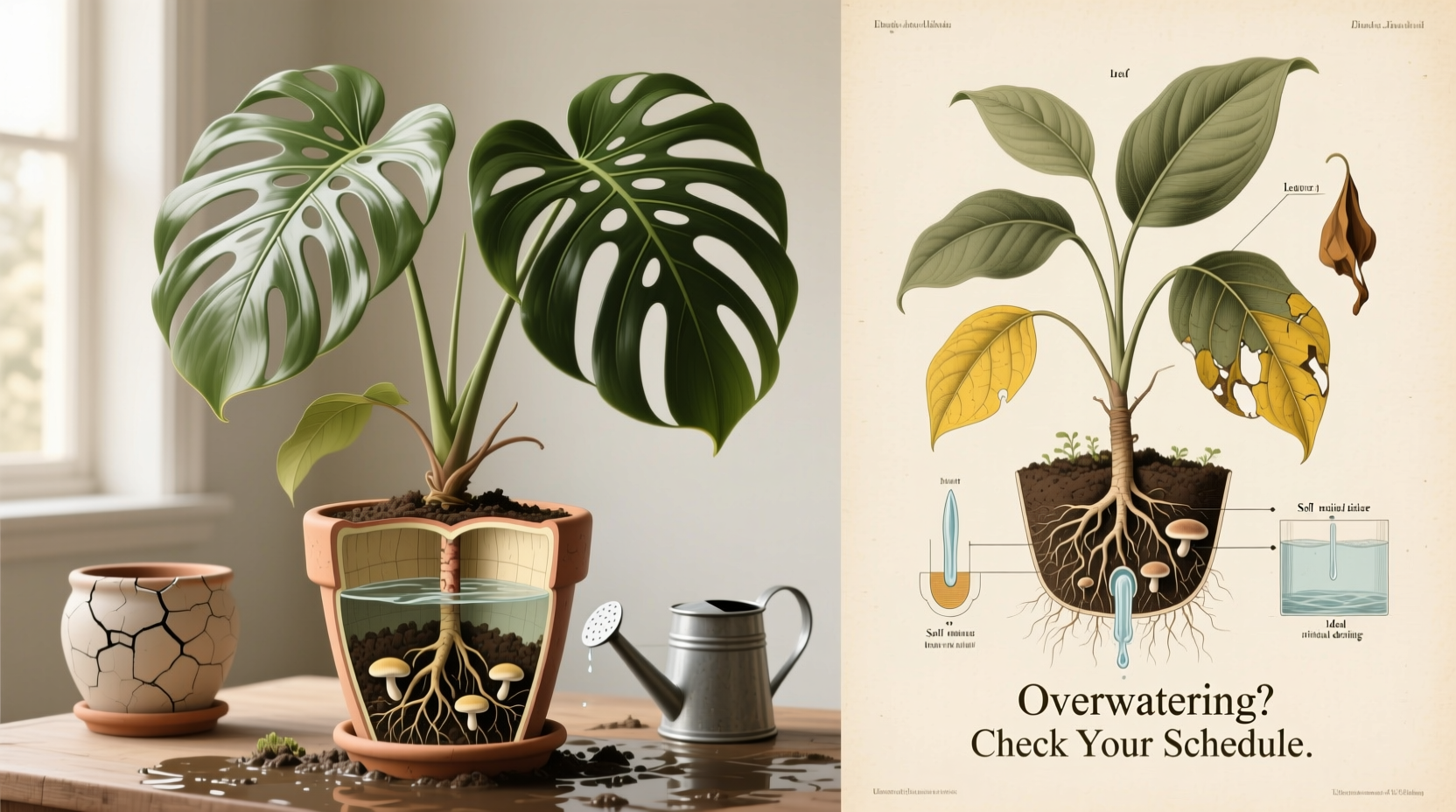
Leaf drop isn’t always about hydration. It’s a survival mechanism. When a plant senses stress—whether from light shifts, temperature changes, pests, or moisture imbalance—it sheds older leaves to conserve energy and redirect resources toward new growth or root recovery. While occasional leaf loss is normal, especially with older foliage, sudden or widespread shedding signals a problem.
The most common triggers include:
- Overwatering: Soggy soil suffocates roots, leading to rot and reduced nutrient uptake.
- Underwatering: Prolonged dryness causes cells to collapse, prompting the plant to abandon lower leaves.
- Sudden environmental shifts: Moving a plant, turning up the heat, or opening windows can induce shock.
- Poor drainage: Even with moderate watering, pots without drainage holes trap water at the base.
- Low humidity: Tropical species like peace lilies or calatheas drop leaves when indoor air becomes too dry.
- Dormancy cycles: Some plants naturally shed leaves in winter as growth slows.
While all these factors matter, watering remains the primary lever most growers can control—and where most mistakes occur.
What Your Watering Schedule Is Missing: The Myth of Routine
Most plant care guides recommend watering “once a week.” That advice fails because it ignores variables like pot size, soil type, light exposure, season, and room humidity. A terracotta pot in a sunny room dries out twice as fast as a plastic pot in a dim corner. Yet both are told to follow the same schedule.
The flaw in fixed routines is their rigidity. Plants don’t operate on clocks—they respond to conditions. Watering on a set day, regardless of soil moisture, leads to either chronic over-saturation or extended droughts. Both disrupt root function and cause leaf drop.
Instead of a schedule, adopt a system. A responsive approach considers:
- Soil moisture depth: Use your finger or a moisture meter to check 2 inches below the surface.
- Seasonal changes: Plants need less water in fall and winter due to slower metabolism.
- Pot material: Terracotta wicks moisture; plastic retains it.
- Ambient humidity: Dry air increases transpiration, raising water demand.
Shifting from routine to responsiveness transforms plant health. It’s not about watering more or less—it’s about watering when needed.
Step-by-Step Guide to a Smarter Watering Practice
Follow this five-step process to align your watering habits with your plant’s actual needs:
- Assess the soil weekly: Insert your finger up to the second knuckle. If it feels dry, proceed. If damp, wait 2–3 days and recheck.
- Check the pot weight: Lift the plant after watering and again after several dry days. You’ll learn to feel the difference between wet and dry soil.
- Water deeply but infrequently: When you do water, soak the soil until water drains from the bottom. This encourages deep root growth.
- Empty the saucer: Never let your plant sit in standing water for more than 15 minutes. Root rot starts quickly.
- Adjust seasonally: Reduce frequency by 30–50% in winter. For example, if you water every 7 days in summer, stretch to 10–14 days in winter.
This method builds awareness. Over time, you’ll recognize subtle cues—like slight leaf droop or pale color—that signal thirst before severe stress occurs.
“Plants don’t die from lack of water—they die from lack of observation.” — Dr. Linda Chalker-Scott, Urban Horticulturist, Washington State University Extension
Do’s and Don’ts of Watering: A Quick Reference Table
| Do | Don’t |
|---|---|
| Water when the top 1–2 inches of soil are dry | Stick to a fixed weekly schedule regardless of conditions |
| Use room-temperature water to avoid shocking roots | Use cold tap water straight from the fridge or faucet |
| Ensure pots have drainage holes | Keep plants in decorative pots without drainage |
| Empty excess water from saucers after 15 minutes | Let plants sit in pooled water |
| Group plants to increase local humidity | Place tropical plants near heating vents or drafty windows |
Real Example: Reviving a Drooping Fiddle Leaf Fig
Maria, a plant enthusiast in Chicago, noticed her fiddle leaf fig dropping leaves rapidly each winter. She watered every Saturday, used filtered water, and kept it in a bright corner. Yet every January, she’d lose four to five leaves. After consulting a local nursery, she realized her routine was the issue.
Her apartment’s forced-air heating drastically reduced humidity and increased soil drying in early winter. By mid-December, the plant needed water every 5–6 days. But come January, growth slowed, and the soil stayed moist longer. She continued weekly watering, leading to over-saturation and root stress.
She adjusted by:
- Switching to checking soil moisture instead of following the calendar.
- Reducing watering to every 12–14 days in January and February.
- Adding a small humidifier nearby during peak heating months.
Within three weeks, leaf drop stopped. No new leaves fell that winter, and by spring, new growth emerged. Her mistake wasn’t carelessness—it was consistency without adaptation.
Tips to Prevent Leaf Drop Long-Term
Beyond watering, long-term leaf retention depends on holistic care. Here are key strategies to integrate:
Essential Plant Care Checklist
Use this checklist monthly to catch issues before they escalate:
- ✅ Check soil moisture (finger test) before watering
- ✅ Inspect leaves for discoloration, spots, or pests
- ✅ Wipe dust off large-leafed plants
- ✅ Ensure pots aren’t sitting in water
- ✅ Rotate plant for even light exposure
- ✅ Assess seasonal adjustments—less water in winter, more in summer
- ✅ Verify humidity levels, especially for tropical species
- ✅ Confirm no drafts or sudden temperature changes near the plant
Frequently Asked Questions
Is it normal for houseplants to drop a few leaves?
Yes. Older, lower leaves naturally yellow and fall off as part of the growth cycle. This is especially common in plants like snake plants, dracaenas, and fiddle leaf figs. However, if multiple leaves drop suddenly, or if new growth is affected, investigate care practices.
Can I save a plant that’s lost many leaves?
Absolutely. As long as the stem is firm and there are still some healthy leaves, recovery is possible. First, identify the cause—most often overwatering. Stop watering until the soil dries, trim any mushy roots if repotting, and place the plant in bright, indirect light. Avoid fertilizing until new growth appears.
Should I mist my plants to prevent leaf drop?
Misting offers only temporary humidity and can promote fungal issues if done excessively. It’s better to group plants, use a humidifier, or place pots on pebble trays with water. Misting may help in very dry environments, but it’s not a substitute for proper watering and environmental stability.
Conclusion: Listen to Your Plants, Not the Calendar
Your houseplant isn’t dropping leaves to punish you—it’s communicating. Each fallen leaf is data, a clue pointing to an imbalance in its environment. While watering is often the starting point, the solution lies in shifting from mechanical routines to mindful observation. Healthy plants thrive on consistency of care, not consistency of timing.
Start today: touch the soil, lift the pot, look closely at the leaves. Adjust based on what you find, not what the app says. Over time, you’ll develop intuition—a quiet understanding of when your plant needs water, light, or simply space to rest. That connection is the real secret to lush, lasting indoor greenery.




 浙公网安备
33010002000092号
浙公网安备
33010002000092号 浙B2-20120091-4
Comments
No comments yet. Why don't you start the discussion?