
Choosing a sofa isn’t just about aesthetics or comfort—it’s an investment in your home’s long-term functionality and style. Two of the most popular materials for premium seating—velvet and leather—each bring distinct advantages to the table. But when subjected to daily wear, spills, sunlight, and household activity, how do they truly compare over time? The question isn’t just which looks better today, but which will still look good five or ten years from now. This article examines the aging process of velvet versus leather sofas under real-world conditions, offering a clear-eyed comparison based on material science, user experience, and expert insight.
Material Composition and Initial Appeal
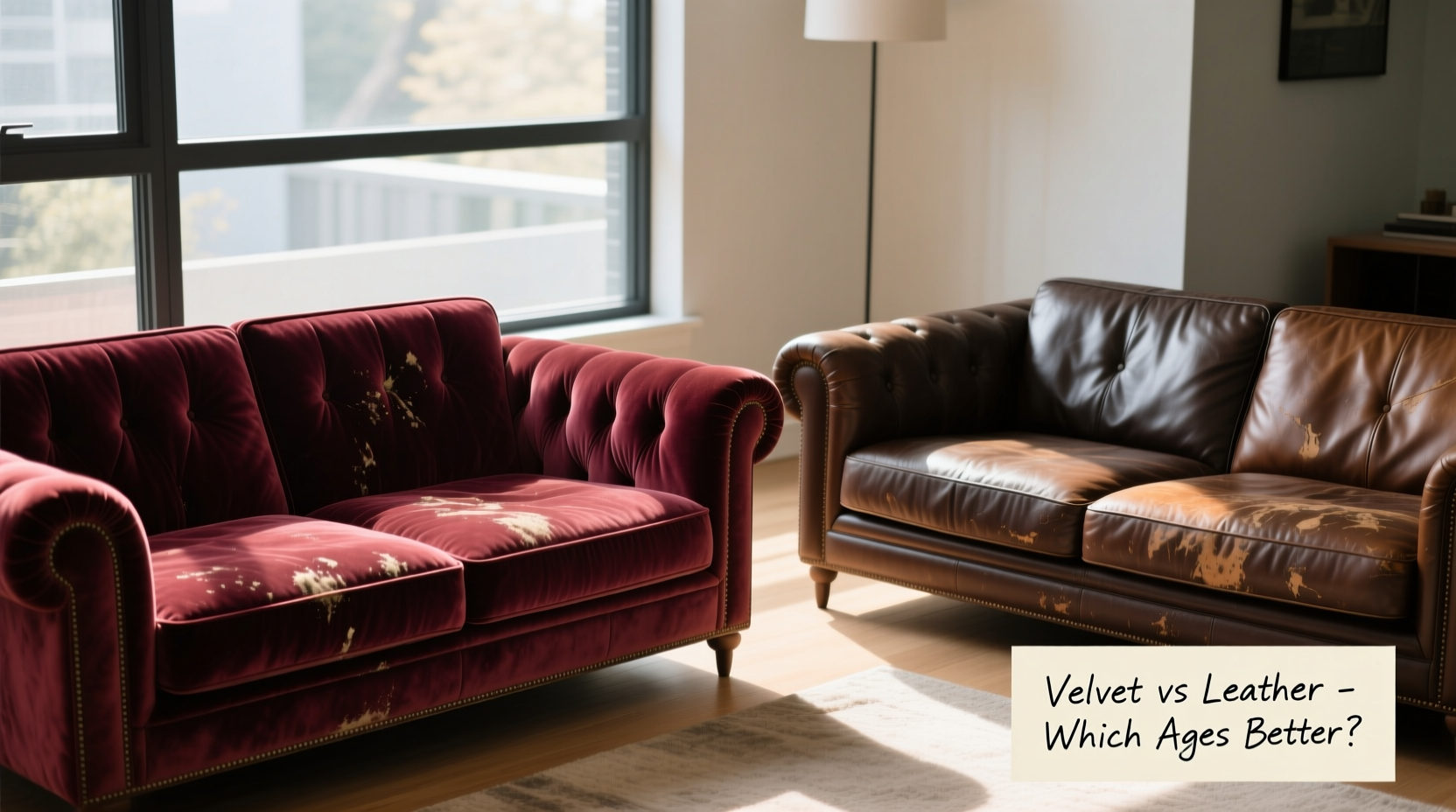
Venetian palaces and modern lofts alike have embraced velvet for its sumptuous texture and rich visual depth. Made from cotton, silk, polyester, or blends, velvet features a dense, short pile that reflects light differently depending on the viewing angle. This creates a dynamic appearance—luminous in daylight, warm and inviting at night. Leather, by contrast, is animal hide treated through tanning processes, typically categorized as full-grain, top-grain, or bonded. Full-grain is the most durable and develops a patina over time; bonded leather, often layered over fiberboard, tends to peel and crack prematurely.
At first glance, both materials project luxury. Velvet offers softness and color vibrancy; leather conveys strength and timeless elegance. However, initial appeal can be misleading. What matters more is how each material responds to friction, oils, UV exposure, and cleaning routines over months and years of regular use.
Durability Under Daily Wear
Daily use subjects a sofa to repeated compression, abrasion, and environmental stress. Children jumping, pets scratching, and adults shifting positions all contribute to surface fatigue. Here, leather—especially full-grain—holds a significant advantage. Its tightly interwoven collagen fibers resist pilling, fraying, and flattening. Over time, minor scuffs blend into a natural patina rather than detracting from the surface. High-traffic commercial spaces often favor leather for this reason.
Venue-style durability doesn’t come naturally to velvet. The plush nap can crush under consistent pressure, particularly in seating areas and armrests. Sunlight accelerates this flattening, causing permanent \"shadows\" where the pile lies flat. While modern synthetic velvets (like polyester or olefin) are more resilient than natural silk variants, they still lack the structural integrity of leather. That said, tightly woven velvets with high rub counts (over 30,000 double rubs) can withstand moderate family use, especially if rotated regularly.
“Leather ages like fine wine—if cared for properly, it gains character. Velvet, however, requires vigilance to maintain its original luster.” — Marcus Tran, Furniture Materials Specialist, Heritage Upholstery Co.
Maintenance Requirements Over Time
Care routines directly influence longevity. Leather is relatively low-maintenance but not care-free. Weekly dusting with a microfiber cloth and biannual conditioning with pH-balanced products prevent drying and cracking. Spills should be blotted immediately; water marks and ink stains can usually be addressed with specialized cleaners. Avoid silicone-based polishes—they create a false shine and trap dirt.
Venette demands more frequent attention. Vacuuming with a brush attachment prevents dust buildup in the pile. Stains are trickier: water-based spills may leave rings due to pile direction differences. Professional cleaning every 12–18 months is recommended to avoid residue accumulation. Some manufacturers advise against steam cleaning, as moisture can weaken backing adhesives. Additionally, velvet is more prone to fading in direct sunlight—even UV-protected versions lose vibrancy faster than leather.
| Maintenance Factor | Leather | Venette |
|---|---|---|
| Cleaning Frequency | Wipe weekly, condition twice yearly | Vacuum weekly, professional clean annually |
| Stain Resistance | High (if treated) | Moderate (varies by fiber) |
| Sunlight Fading | Low to moderate | High (especially silk/cotton) |
| Pile Flattening | N/A | Common in high-use zones |
| Pet Friendliness | Good (resists claws) | Fair (traps fur, vulnerable to snagging) |
Real-World Longevity: A Mini Case Study
The Chen family purchased two identical frame sofas in 2018—one in caramel full-grain leather, the other in navy polyester velvet—for their open-plan living room. Both were used daily by two adults, a toddler, and a golden retriever. By 2023, the differences were pronounced.
The leather sofa showed faint scratch marks near the arms from pet nails, but the overall surface had developed a warm, even patina. After a professional conditioning treatment, it looked richer than new. The velvet model, while still functional, exhibited flattened seat cushions and visible fading along the backrest from southern sunlight exposure. Despite monthly vacuuming, lint and pet hair clung stubbornly to the fabric. A deep clean improved appearance temporarily, but the crushed pile could not be fully restored.
This aligns with industry data: in a 2022 survey of upholstery technicians, 78% reported leather furniture requiring fewer restorative services over a 5-year span compared to fabric alternatives, including velvet.
Environmental and Lifestyle Considerations
Aging isn’t just physical—it’s contextual. Your environment and household habits shape how materials perform. Homes with large windows and strong afternoon sun will accelerate fading in velvet. Families with young children or pets may find leather easier to sanitize and more resistant to accidental damage. Conversely, individuals seeking a cozy, textured aesthetic might accept higher upkeep for velvet’s sensory appeal.
Climate also plays a role. In humid regions, leather must be monitored for mold, especially if not cleaned regularly. Dry climates increase the risk of leather cracking without conditioning. Velvet absorbs moisture more readily, making it susceptible to mildew if dampness isn’t controlled. Neither material thrives in unregulated environments, but leather generally tolerates fluctuation better.
Step-by-Step Guide to Extending Sofa Lifespan
Regardless of material, proactive care dramatically improves aging outcomes. Follow this six-month cycle to maximize longevity:
- Month 1: Inspect for stains, tears, or loose stitching. Address spills immediately using manufacturer-approved methods.
- Month 2: Vacuum entire sofa, including crevices and under cushions. Use a soft brush for velvet; dry cloth for leather.
- Month 3: Rotate seat and back cushions to prevent uneven compression.
- Month 4: Clean according to material guidelines—leather conditioner application or professional fabric cleaning for velvet.
- Month 5: Check for exposure to direct sunlight. Adjust blinds or reposition furniture if fading is observed.
- Month 6: Reassess overall condition. Consider protective sprays (for velvet) or leather sealants if high usage continues.
Adhering to this rhythm helps catch issues early and maintains structural and aesthetic integrity far longer than reactive cleaning alone.
Expert Recommendations and Trade-Offs
Interior designers often weigh emotional appeal against practical endurance. “Clients fall in love with velvet’s drama,” says Lena Ruiz, a residential designer in Portland, “but I always ask: Are you prepared to protect it? Leather tells a story through scratches; velvet hides nothing.”
The trade-off is clear: leather rewards neglect with character; velvet punishes it with wear. Yet advancements in performance fabrics have narrowed the gap. Crypton®-treated velvets, for example, offer stain resistance, microbial protection, and fade reduction—making them viable for active households. Still, these engineered textiles rarely match the tensile strength of full-grain leather.
Eco-conscious buyers may lean toward velvet made from recycled fibers, though sustainability claims require scrutiny. Genuine leather, when sourced as a byproduct of the meat industry and tanned using vegetable methods, can be more environmentally sound than petroleum-based synthetics. However, chrome tanning and mass production raise ethical concerns. Certifications like LWG (Leather Working Group) help identify responsibly produced hides.
Frequently Asked Questions
Does leather really get softer over time?
Yes. Full-grain and top-grain leathers gradually conform to body shape as the fibers relax with use. This increases comfort and contributes to the desirable broken-in feel. Conditioning supports this process by maintaining suppleness.
Can crushed velvet be restored?
Limited restoration is possible. Hold a steam iron several inches above the flattened area to lift the pile, then brush gently in one direction with a soft clothes brush. However, severely compacted fibers may not recover fully, especially after years of use.
Which material is better for allergy sufferers?
Leather generally performs better. It doesn’t trap dust mites, pet dander, or pollen like fabric upholstery. Regular wiping eliminates allergens effectively. Velvet, particularly untreated versions, can harbor irritants deep within the pile unless cleaned frequently.
Final Verdict: Which Ages Better?
When evaluated purely on aging under daily use, **leather—specifically full-grain or high-quality top-grain—ages better than velvet**. It resists wear, adapts gracefully to imperfections, and demands less intensive maintenance. Its ability to develop a patina rather than degrade sets it apart. Velvet, while luxurious and design-forward, shows signs of aging more readily: fading, crushing, and staining are common after several years of regular use, even with diligent care.
That said, the “better” choice depends on priorities. If ease of maintenance, resilience, and long-term value are paramount, leather wins. If ambiance, color richness, and tactile warmth take precedence—and you’re willing to invest time in upkeep—velvet remains a compelling option. For those torn between the two, consider hybrid designs: leather in high-contact areas (seat, arms), paired with velvet accents on backs or sides.
“Furniture should serve your life, not dictate it. Choose the material that aligns with how you actually live—not just how you wish to live.” — Elena Moss, Interior Psychologist & Author of *Living With Design*
Conclusion: Make a Choice That Lasts
Your sofa endures more daily contact than almost any other piece of furniture. Choosing between velvet and leather isn’t just about style today—it’s about how you want your space to age tomorrow. Leather proves more resilient, adaptive, and forgiving over time, especially in homes with children, pets, or heavy use. Velvet offers unmatched texture and elegance but requires consistent effort to preserve its beauty. Armed with this knowledge, you can make a decision grounded in reality, not just aspiration. Evaluate your lifestyle, lighting, and maintenance willingness honestly. Then choose the material that won’t just survive—but thrive—in your world.




 浙公网安备
33010002000092号
浙公网安备
33010002000092号 浙B2-20120091-4
Comments
No comments yet. Why don't you start the discussion?