
As remote work becomes more entrenched in daily life, many professionals are rethinking how they stay active during long hours at a desk. Enter the walking pad — a slim, low-profile device designed to fit under a standing desk, allowing users to walk slowly while typing, reading emails, or attending virtual meetings. But how does it stack up against the traditional treadmill? And more importantly, is its compact, under-desk design actually practical for real-world use?
This question isn’t just about space-saving aesthetics. It’s about functionality, health benefits, long-term usability, and whether the convenience of an under-desk model comes at the cost of performance. To answer this thoroughly, we need to examine both devices across key categories: design and footprint, speed and performance, health impact, integration with work routines, and overall value.
Design and Space Efficiency: The Core Advantage of Walking Pads
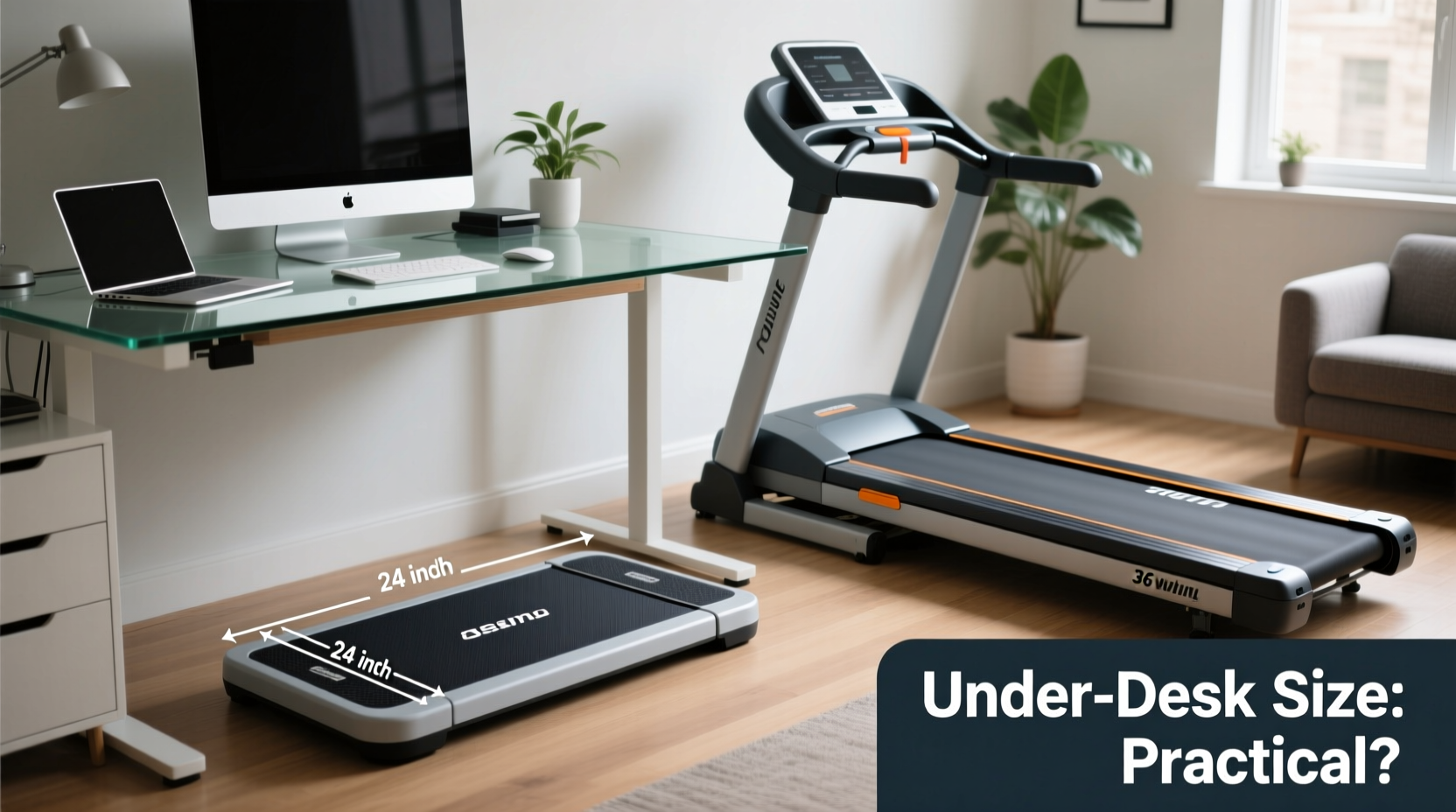
The most obvious difference between a walking pad and a standard treadmill lies in physical design. Traditional treadmills are large, heavy machines that typically require a dedicated area in a home gym or living space. They often measure over 6 feet in length and can weigh upwards of 150 pounds. In contrast, walking pads are engineered for minimalism. Most models range from 30 to 40 inches in length and weigh between 25 and 50 pounds, making them easy to store under a desk or behind a door when not in use.
For urban dwellers, apartment renters, or those with limited square footage, this compactness is transformative. You don’t need to sacrifice floor space permanently for fitness equipment. The walking pad supports a “fitness-as-a-lifestyle” approach rather than a “workout-session-only” mindset.
However, space efficiency comes with trade-offs. The smaller deck limits stride length, which can feel restrictive, especially for taller individuals. Most walking pads accommodate a natural walking gait but are not built for jogging or running. This makes them ideal for light movement but less suitable for high-intensity training.
Performance Comparison: Speed, Incline, and Durability
When evaluating performance, it’s essential to distinguish between walking and running needs. Treadmills generally offer speeds ranging from 0.5 to 12+ mph, with motorized incline options and advanced shock absorption systems. They support a full range of motion and are built to handle sustained cardio workouts. Walking pads, by design, cap out at much lower speeds — typically between 2.5 and 6 mph — and rarely include incline features.
This limitation isn’t necessarily a flaw. Research shows that walking at 2–4 mph while working can improve circulation, focus, and calorie burn without disrupting cognitive tasks. A study published in the Journal of Occupational and Environmental Medicine found that employees who used under-desk walking devices reported better concentration and reduced fatigue during afternoon hours.
Yet durability remains a concern. While high-end treadmills are built with commercial-grade motors and reinforced decks, walking pads often use lighter-duty components. Frequent daily use (e.g., 3–5 hours) may strain entry-level models over time. Mid-range walking pads now feature brushless motors and improved belt materials, narrowing the gap — but only slightly.
“Sustained low-intensity movement throughout the day has greater metabolic benefits than a single 30-minute workout.” — Dr. Lena Patel, Preventive Health Specialist
Walking Pad vs Treadmill: A Practical Feature Breakdown
| Feature | Walking Pad | Traditional Treadmill |
|---|---|---|
| Footprint | Compact (30–40” long) | Large (70–80” long) |
| Weight | 25–50 lbs | 100–250 lbs |
| Max Speed | 2.5–6 mph | 8–12+ mph |
| Incline | Rare; manual only if present | Yes, motorized (0–15%) |
| Use Case | Light walking during work | Running, interval training, cardio |
| Storage | Foldable or slide-under-desk | Fixed position or bulky folding |
| Avg Price | $200–$600 | $600–$2,000+ |
| Maintenance | Low (belt lubrication) | Moderate to high |
The table illustrates a clear divergence in purpose. If your goal is cardiovascular improvement, weight loss through intense exercise, or training for events like 5Ks, a treadmill is superior. But if you're aiming to reduce sedentary time, improve posture, and maintain energy during desk work, a walking pad offers targeted utility without requiring lifestyle overhaul.
Real-World Integration: Can You Actually Work While Walking?
One of the biggest selling points of the walking pad is its promise of “productivity + fitness.” But does it deliver in practice?
Consider Sarah, a 38-year-old technical writer based in Seattle. She purchased a mid-tier walking pad after months of back pain and afternoon mental fog. Her routine: walk at 2.5 mph for 30–45 minutes each morning while reviewing documents and answering emails. After six weeks, she reported improved focus, fewer headaches, and a consistent 1.5-pound weekly weight loss without changing her diet.
However, she also noted challenges. Typing accuracy dipped slightly during the first week, and video calls required careful camera positioning to avoid showing the moving belt. She eventually raised her desk height and adjusted her chair to create a stable transition point when stopping.
Sarah’s experience reflects a broader trend: success depends on workflow compatibility. Tasks involving deep concentration, coding, or precise mouse control may suffer. But for reading, listening, drafting, or administrative work, light walking proves sustainable and beneficial.
Health Impact: Beyond Calories Burned
While treadmills excel at burning calories quickly — a 30-minute run at 6 mph can torch 300+ calories — walking pads contribute differently. Their value lies in consistency and duration. Walking 1–2 miles per day at a slow pace accumulates meaningful health benefits over time.
- Reduced risk of chronic disease: The CDC recommends 150 minutes of moderate activity weekly. Under-desk walking helps reach this goal passively.
- Improved circulation: Standing and walking reduces blood pooling in the legs, lowering the risk of varicose veins and deep vein thrombosis.
- Better mental clarity: Movement increases cerebral blood flow, enhancing alertness and reducing brain fog.
- Posture and spinal health: Alternating between sitting, standing, and walking reduces lower back strain.
Critics argue that walking pads promote “low-effort fitness,” potentially replacing more effective workouts. But for inactive individuals, they serve as a gateway to movement. The psychological barrier to stepping onto a small pad while working is far lower than lacing up for a gym session after a long day.
Step-by-Step Guide to Choosing the Right Option
Deciding between a walking pad and a treadmill shouldn’t be arbitrary. Follow this sequence to make a decision aligned with your lifestyle:
- Assess your primary goal: Are you seeking weight loss and cardio conditioning (treadmill), or reducing sedentary behavior and boosting daily movement (walking pad)?
- Evaluate available space: Measure the intended location. If you lack 6x3 feet of permanent floor space, a walking pad is likely the only viable option.
- Review your work habits: How much time do you spend at a desk? Do you use a standing desk? If yes, a walking pad integrates more naturally.
- Test comfort and ergonomics: Ensure your desk height allows for natural arm positioning while walking. Consider an adjustable-height desk if needed.
- Set a budget: Factor in long-term value. A $500 walking pad used daily delivers more return than a $1,200 treadmill collecting dust.
- Read user reviews: Pay attention to noise levels, stability, and customer service experiences — common pain points with budget walking pads.
- Try before you buy (if possible): Some brands offer trial periods. Take advantage of these to test real-world usability.
Common Misconceptions About Walking Pads
Despite growing popularity, several myths persist:
- Myth: Walking pads are just glorified toys. Reality: Clinical studies support the benefits of low-intensity movement, even at sub-3 mph speeds.
- Myth: You can't burn meaningful calories. Reality: Walking 1 hour per day at 3 mph burns ~150–200 calories — over 1,000 per week, with no extra time investment.
- Myth: They’re completely silent. Reality: Most emit a low hum (50–65 dB). While tolerable for solo work, they may disrupt conference calls or disturb others in shared spaces.
- Myth: All models fold easily. Reality: Some “foldable” pads still require two people to lift and store due to motor weight.
FAQ: Addressing Key Concerns
Can I jog on a walking pad?
No. Most walking pads are rated only for walking speeds (up to 6 mph) and lack the structural support or shock absorption needed for jogging. Attempting to run may damage the motor or belt and void the warranty.
Do walking pads really fit under desks?
Most do, but check dimensions carefully. Standard clearance under desks is around 5–6 inches. High-powered models with thicker motors may require more vertical space. Also ensure the desk is stable and won’t wobble when the pad vibrates.
Are walking pads worth it for weight loss?
They can support weight loss as part of a broader strategy. While calorie burn per session is modest, the ability to walk daily — without scheduling separate workouts — creates sustainable deficits over time. Pair with dietary awareness for best results.
Final Verdict: Is the Under-Desk Size Actually Practical?
Yes — but with conditions. The under-desk size of a walking pad is genuinely practical for individuals seeking to integrate movement into sedentary routines without disrupting workflow. Its compact form enables use in small apartments, home offices, and multi-purpose rooms where a treadmill would be impractical or impossible.
However, practicality depends on realistic expectations. It is not a replacement for vigorous exercise. It won’t prepare you for a marathon or replicate the cardiovascular intensity of treadmill intervals. But it excels at what it was designed for: turning idle sitting time into active time.
For knowledge workers, remote employees, and anyone spending 6+ hours daily at a desk, a walking pad offers a feasible, low-friction way to move more. When paired with ergonomic furniture and mindful usage, it becomes a tool for long-term well-being — not just a gadget.




 浙公网安备
33010002000092号
浙公网安备
33010002000092号 浙B2-20120091-4
Comments
No comments yet. Why don't you start the discussion?