
Choosing the right wallet isn’t just about aesthetics—it’s a decision rooted in daily convenience, security, and lifestyle compatibility. Two increasingly popular options are wallets with chains (often called “chain wallets”) and clutches. While both have carved out niches in modern fashion, especially among urban professionals and style-conscious individuals, their practicality varies significantly depending on how you live your day-to-day life. Understanding the strengths and limitations of each helps ensure your choice supports—not hinders—your routine.
Durability and Security: Chain Wallets Offer Built-in Protection
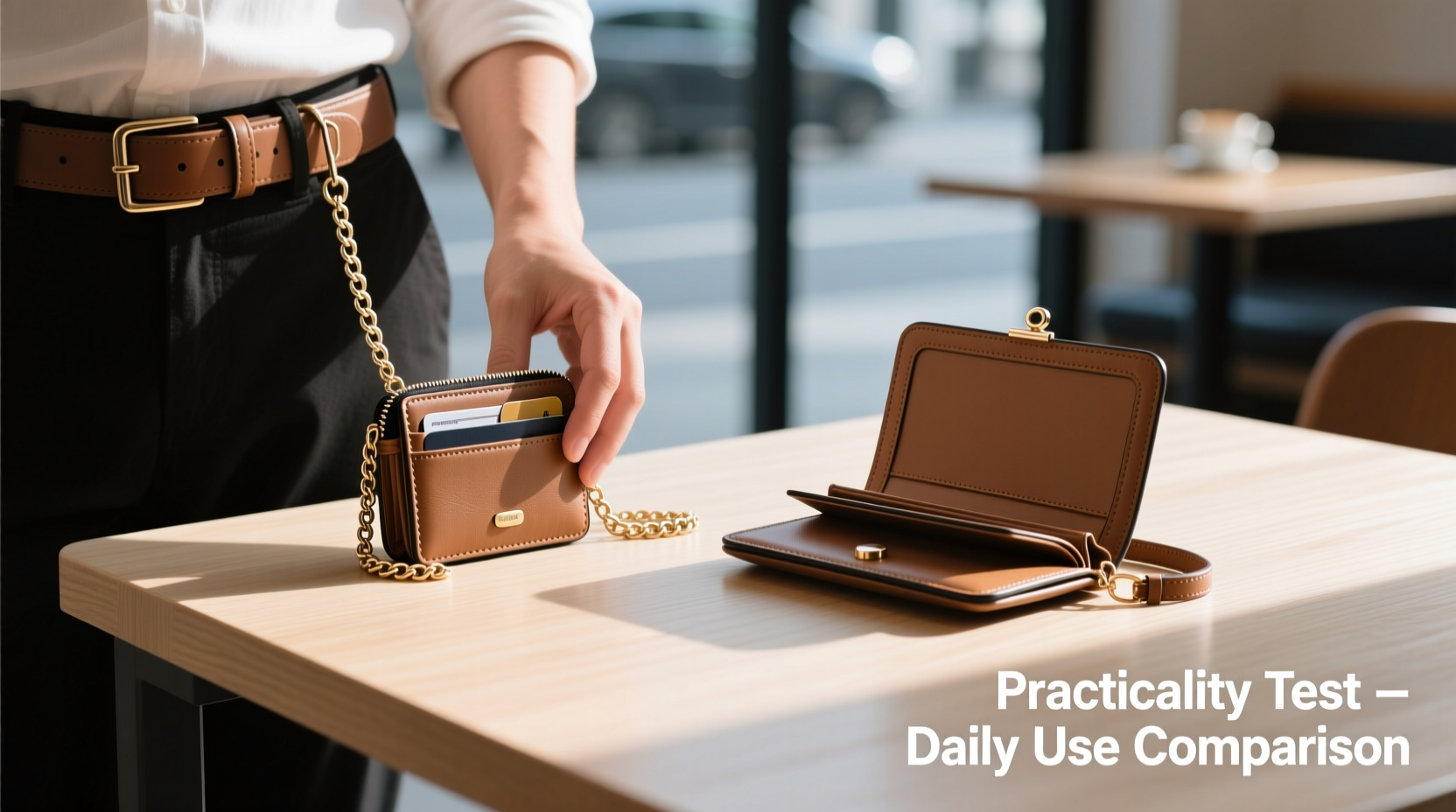
A wallet on a chain typically features a metal or leather strap connected to a belt loop or pocket, designed to keep the wallet physically tethered to the wearer. This setup adds a layer of security often missing from standalone accessories. In crowded environments—public transit, concerts, or busy city streets—the risk of pickpocketing or accidental loss drops significantly when your wallet is chained.
The materials used in chain wallets also tend to be rugged. Stainless steel chains resist corrosion and wear, while reinforced stitching on the wallet body prevents tearing from constant attachment and removal. Many models feature RFID-blocking layers, protecting against digital theft as well.
In contrast, clutches—compact handheld cases—are inherently more vulnerable. They’re easy to misplace on restaurant tables, bar counters, or public seating. Without a secure anchor point, they rely entirely on user vigilance. Even high-end clutches made from premium leather or synthetic fabrics don’t compensate for this fundamental design flaw when it comes to physical security.
Accessibility and Daily Functionality
Chain wallets excel in quick-access scenarios. Whether you're grabbing cash at a vending machine, paying for coffee, or showing ID at a venue, having your wallet within arm's reach—without needing to open a bag or dig through pockets—saves time and reduces friction.
Most chain wallets are slim by design, accommodating only essentials: a few cards, some folded bills, and perhaps coins. This minimalism forces organization and discourages clutter. Their placement—usually in front or back pockets—means they’re always where you expect them.
Clutches, however, require an extra step: retrieval from a larger bag or deliberate hand-carrying. For those who already carry a backpack, tote, or briefcase, adding a clutch introduces redundancy. It may make sense for evening wear or minimalist outfits, but during active days filled with errands, commuting, or multitasking, juggling a clutch becomes impractical.
“Security and speed matter most in urban settings. A chain wallet reduces cognitive load—you don’t have to remember where you put it because it’s attached.” — Marcus Lin, Urban Lifestyle Designer
Style vs. Substance: Fashion Appeal Across Contexts
Clutches win on pure aesthetic versatility. Available in bold colors, luxurious textures, and designer collaborations, they function as fashion statements. Paired with formal attire or minimalist streetwear, a clutch can elevate an outfit instantly. Brands like Mansur Gavriel, Bottega Veneta, and even affordable lines like Fossil offer sleek designs that appeal to fashion-forward users.
Chain wallets, historically associated with subcultures like punk or biker styles, have evolved into mainstream accessories. Modern versions come in understated finishes—matte black, brushed silver, or leather-wrapped chains—that blend seamlessly with professional and casual wear. However, they still carry a distinct visual identity. Some find the dangling chain unprofessional in conservative office environments.
The trade-off is clear: clutches prioritize appearance; chain wallets emphasize utility. If your wardrobe leans toward statement pieces and you value coordinated ensembles, a clutch might align better. But if your priority is seamless integration into varied routines—from gym to office to weekend outings—a chain wallet adapts more naturally.
Practical Comparison: Chain Wallet vs Clutch
| Feature | Wallet on Chain | Clutch |
|---|---|---|
| Security | High – Tethered to body | Low – Easily misplaced |
| Access Speed | Fast – Direct pocket access | Moderate – Requires retrieval |
| Capacity | Limited – Minimalist design | Moderate – Fits wallet + phone + keys |
| Fashion Flexibility | Moderate – Casual/urban focus | High – Works with formal & trendy looks |
| Durability | High – Reinforced materials | Variable – Depends on fabric quality |
| Hands-Free Use | Yes – Attached to clothing | No – Must be held or stored |
Real-World Scenario: Commuter vs Night Out
Consider two common situations:
- Daily Commute: Alex takes the subway every morning, transfers buses, and walks 15 minutes to work. He wears a light jacket and carries only his phone and wallet. With a chain wallet clipped inside his front pocket, he pays for transit, grabs breakfast, and enters his building without breaking stride. At no point does he worry about dropping or forgetting his wallet.
- Evening Out: Jamie attends a rooftop cocktail party wearing a sleek dress without pockets. She brings a small metallic clutch containing her cardholder, lipstick, and phone. The clutch matches her outfit perfectly and holds everything she needs. However, once seated, she places it on the table and nearly leaves without it after getting up to dance.
These examples highlight context-driven practicality. Chain wallets thrive in motion-intensive routines. Clutches shine in static, social settings where style matters more than mobility.
Choosing Based on Your Lifestyle: A Checklist
Use this checklist to determine which option suits your daily habits:
- ✅ Do you walk or commute frequently in dense areas?
- ✅ Do you dislike digging through bags for your wallet?
- ✅ Have you ever lost a wallet or had it stolen?
- ✅ Do you prefer minimalist carrying solutions?
- ✅ Are you often hands-full (groceries, baby gear, laptop)?
If you answered “yes” to three or more, a wallet on chain is likely the more practical choice. If instead you often attend events, wear pocketless clothing, and prioritize matching accessories, a clutch may serve you better—even if less functional.
FAQ
Can I carry a phone in a chain wallet?
Most chain wallets are designed for cards and cash only. While some larger models include a slim phone sleeve, they typically fit only older or compact smartphones. For modern large-screen phones, a separate pocket or bag remains necessary.
Are chain wallets safe for airport security checks?
Yes, but consider convenience. You’ll need to remove the wallet if it contains metal components that trigger alarms. A detachable chain or magnetic snap makes screening smoother.
Do clutches offer any security features?
Some high-end clutches include zipper closures, RFID shielding, or wrist straps—but none prevent misplacement once set down. Unlike chain wallets, they lack passive protection.
Final Recommendation: Practicality Favors the Chain Wallet
For the average person navigating a dynamic, mobile lifestyle, the wallet on chain offers superior practicality. Its combination of security, accessibility, and durability addresses real-world challenges that clutches simply don’t solve. While clutches have undeniable charm and situational relevance, they function best as secondary, occasion-specific accessories rather than primary carriers of essentials.
The most practical wallet isn’t the one that looks best in photos—it’s the one that stays with you, works when needed, and disappears into your routine. In that regard, the chain wallet proves consistently reliable across environments, activities, and personal needs.




 浙公网安备
33010002000092号
浙公网安备
33010002000092号 浙B2-20120091-4
Comments
No comments yet. Why don't you start the discussion?