
Calabrian chilies are not just another spicy ingredient—they are a cornerstone of southern Italian cuisine, prized for their vibrant fruitiness, moderate heat, and deep umami complexity. Increasingly popular in high-end restaurants and home kitchens alike, these small red peppers from the Calabria region of Italy offer a distinctive alternative to generic chili flakes or pastes. Their rising presence in gourmet grocery stores and artisanal food products reflects a growing appreciation for ingredients that deliver both heat and character. Understanding what sets Calabrian chilies apart—and how to use them effectively—can elevate everything from simple pasta dishes to roasted vegetables, seafood, and even cocktails.
Definition & Overview
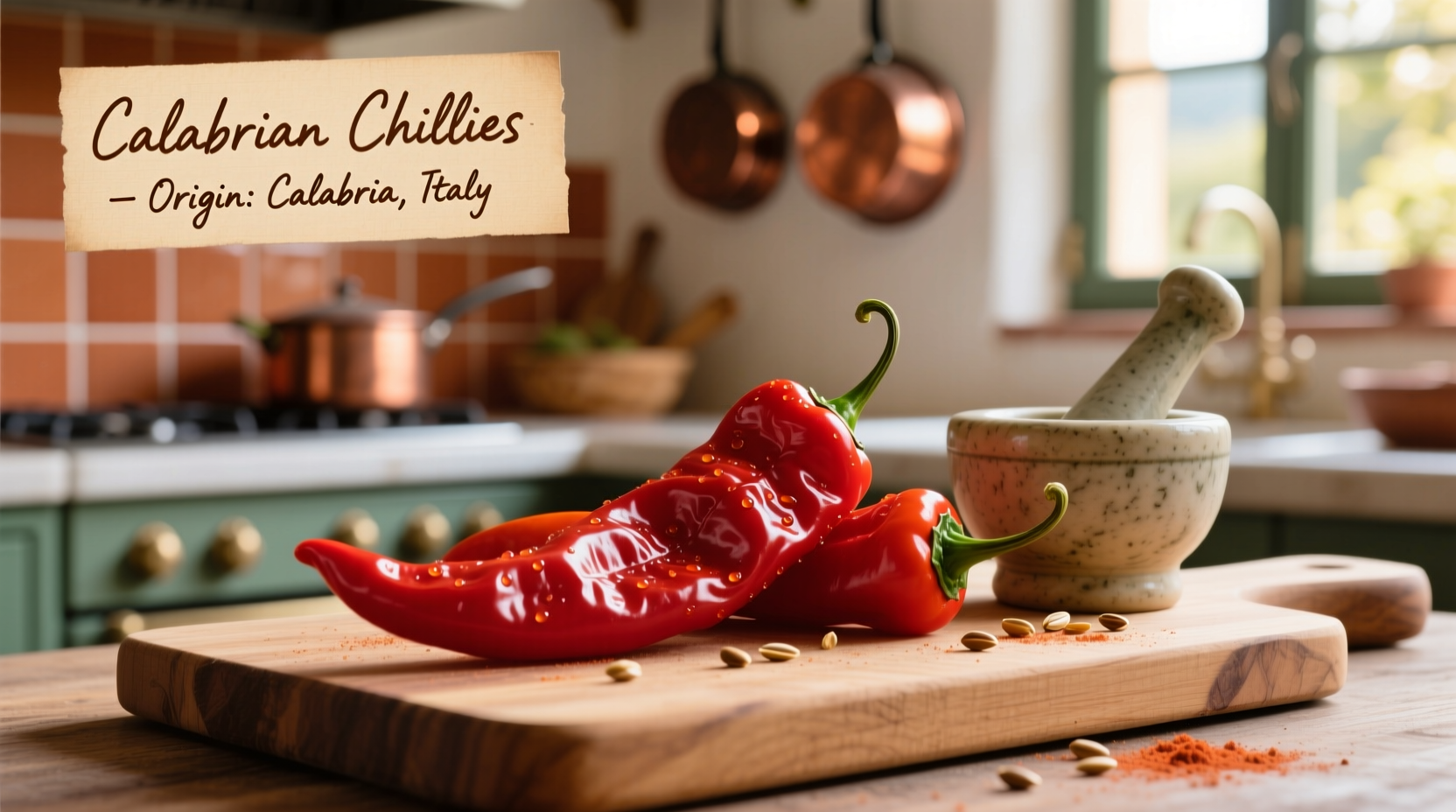
Calabrian chilies, known locally as *peperoncino calabrese*, are a variety of *Capsicum annuum* grown primarily in the mountainous, sun-drenched region of Calabria in southern Italy. This area has cultivated chili peppers for centuries, with peperoncino deeply embedded in local culture and culinary tradition. The chilies themselves are slender, tapering pods, typically 2 to 3 inches long, ripening from green to a brilliant scarlet red. While they can be used fresh, they are most commonly preserved in olive oil, dried, or processed into a concentrated paste.
The defining characteristic of Calabrian chilies is their balanced flavor profile: a bright, citrusy acidity mingles with berry-like sweetness and a slow-building heat that rarely overwhelms. Unlike some chili varieties that emphasize pure fire, Calabrian chilies contribute aromatic depth and complexity, functioning as much as a seasoning agent as a source of spice. In Italy, they are often referred to as “the truffle of the poor” due to their ability to transform humble ingredients into something extraordinary.
In recent years, Calabrian chili paste—especially brands like *'Nduja Artisans* and *Bianco Di Nero*—has gained international acclaim, appearing in dishes at Michelin-starred restaurants and trending on food media platforms. Its versatility and bold yet nuanced taste have made it a favorite among chefs seeking to add Mediterranean flair without sacrificing balance.
Key Characteristics
| Attribute | Description |
|---|---|
| Origin | Calabria, Southern Italy |
| Heat Level (Scoville) | 25,000–45,000 SHU (similar to cayenne pepper) |
| Flavor Profile | Fruity, smoky, tangy, with notes of sun-dried tomato, cherry, and citrus zest |
| Aroma | Earthy, slightly fermented, with a hint of garlic when preserved in oil |
| Color | Bright red when ripe; deep crimson when preserved or dried |
| Culinary Function | Seasoning, heat source, umami enhancer, colorant |
| Shelf Life (unopened) | Paste in oil: 12–18 months; dried flakes: up to 2 years |
| Form Available | Fresh, dried, crushed, in oil, as paste, in 'nduja sausage |
This combination of moderate heat and layered flavor makes Calabrian chilies particularly versatile. They do not merely burn—they enhance, enliven, and deepen.
Practical Usage: How to Use Calabrian Chilies in Cooking
The true power of Calabrian chilies lies in their adaptability across a wide range of preparations. Whether you're working with paste, crushed flakes, or whole preserved peppers, they integrate seamlessly into both quick weeknight meals and refined dishes.
Using Calabrian Chili Paste
Chili paste is the most accessible and widely used form outside Italy. Typically made from roasted or sun-dried chilies blended with olive oil, salt, and sometimes vinegar or citrus, it delivers concentrated flavor with minimal effort.
To incorporate it into cooking:
- **Stir into pasta sauces**: Add ½ to 1 teaspoon to tomato-based sauces, especially arrabbiata or amatriciana, for added depth and controlled heat.
- **Enhance creamy dishes**: Swirl into aioli, mayonnaise, or sour cream for spicy dips or sandwich spreads.
- **Finish seafood**: Brush lightly on grilled octopus, shrimp, or white fish during the last minute of cooking.
- **Boost dressings and vinaigrettes**: Whisk ¼ to ½ teaspoon into lemon-olive oil dressing for salads featuring roasted beets, fennel, or arugula.
- **Infuse oils and butters**: Melt into softened butter with lemon zest and parsley for a compound butter to top steak or grilled bread.
TIP: Always start with less—Calabrian chili paste is potent. You can always add more, but you can't take it out. Taste after each addition, especially if serving guests who may prefer milder heat.
Using Dried or Crushed Calabrian Chilies
Dried flakes behave similarly to red pepper flakes but with superior flavor. They lack the oil-rich mouthfeel of paste but offer convenience and shelf stability.
Ideas for use:
- **Sprinkle over pizza or focaccia** before baking for a rustic kick.
- **Infuse hot oil**: Heat olive oil gently with a pinch of flakes, then drizzle over soups, bruschetta, or hummus.
- **Season roasted vegetables**: Toss carrots, potatoes, or cauliflower with olive oil, salt, garlic, and a pinch of flakes before roasting.
- **Add to dry rubs**: Combine with smoked paprika, fennel seed, and sea salt for lamb, pork chops, or grilled sausages.
Cooking with Whole Preserved Chilies
Whole chilies packed in oil are ideal for infusing dishes with slow-releasing heat and visual appeal.
Best practices:
- Sauté one or two chilies (seeds intact for more heat) in olive oil at the beginning of cooking to bloom their flavor.
- Use in stews, bean dishes (like *pasta e fagioli*), or ragù to build background warmth.
- Remove before serving if desired, or leave in as an edible garnish for adventurous eaters.
Professional Techniques
In restaurant kitchens, Calabrian chilies are used strategically to create contrast and complexity. Chefs often pair them with ingredients that highlight their fruit-forward nature:
- **With seafood**: A touch of paste in a lobster risotto cuts richness while adding brightness.
- **In charcuterie applications**: Mixed into soft cheeses like burrata or ricotta for stuffed pasta fillings.
- **In emulsions**: Blended into hollandaise or beurre blanc for modern twists on classic sauces.
- **With sweets**: Paired with dark chocolate or blood orange desserts for a subtle heat finish.
Variants & Types
Calabrian chilies come in several forms, each suited to different culinary purposes. Knowing which type to use ensures optimal results.
| Type | Description | Best Used For |
|---|---|---|
| Fresh | Ripe red pods, crisp texture, floral aroma | Grilling, pickling, slicing into salads |
| Dried | Dehydrated whole or broken chilies, deep red, brittle | Long-simmered dishes, spice blends, rehydration for sauces |
| Crushed/Flakes | Coarsely ground dried chilies | Finishing dishes, dry rubs, infused oils |
| Paste in Oil | Smooth or textured purée preserved in olive oil | Quick sauces, marinades, dressings, spreads |
| 'Nduja | Spicy, spreadable salami from Calabria made with pork and Calabrian chilies | Melting into sauces, topping flatbreads, enriching soups |
Among these, the paste and 'nduja are the most transformative for home cooks unfamiliar with traditional preservation methods. 'Nduja, in particular, brings both fat and heat, acting as a dual-purpose ingredient that enriches texture while delivering intense chili flavor.
Comparison with Similar Ingredients
Calabrian chilies are often confused with other spicy red peppers, but key differences set them apart.
| Ingredient | Heat Level | Flavor Notes | Key Difference |
|---|---|---|---|
| Calabrian Chili Paste | Medium (25K–45K SHU) | Fruity, tangy, smoky, complex | Balanced heat with distinct citrus and berry tones |
| Standard Red Pepper Flakes (e.g., generic Italian) | Low–Medium (15K–30K SHU) | Simple, earthy, slightly bitter | Lacks nuance; often made from mixed chili varieties |
| Cayenne Powder | Medium-Hot (30K–50K SHU) | Sharp, linear heat, little aroma | One-dimensional burn without fruitiness |
| Urfa Biber (Turkish) | Medium (30K–40K SHU) | Smoky, raisin-like, winey | Darker, smokier, less acidic than Calabrian |
| Chipotle in Adobo | Medium (2K–8K SHU) | Smoky, sweet, tomato-based | Much milder; dominated by smoke and vinegar |
“Calabrian chilies aren’t about heat for heat’s sake. They’re about harmony—how a little fire can make a dish sing.”
— Massimo Bottura, Chef, Osteria Francescana
Practical Tips & FAQs
How hot are Calabrian chilies?
They register between 25,000 and 45,000 Scoville Heat Units, placing them in the same range as cayenne pepper. However, their perceived heat is often less aggressive due to the balancing acidity and fruitiness. The seeds and inner membranes contain the highest concentration of capsaicin, so remove them for milder results.
Where can I buy Calabrian chilies?
Look for them in well-stocked supermarkets (Whole Foods, Eataly, Wegmans), Italian specialty stores, or online retailers like Amazon, Gustiamo, or DeLallo. The paste is most reliably found in glass jars labeled “Peperoncino Calabrese” with ingredients listing only chili, olive oil, salt, and citric acid.
How should I store Calabrian chili paste?
Once opened, store in the refrigerator with a thin layer of olive oil covering the surface to prevent oxidation. Use within 3–4 months. Dried flakes should be kept in an airtight container away from light and heat, ideally in a cool pantry.
Can I substitute Calabrian chilies?
Possible substitutes include:
- Red pepper flakes + lemon zest: Mimics the heat and brightness.
- Cayenne + sun-dried tomato paste: Approximates the color and depth.
- Marash pepper (Turkish): Closer in fruitiness, though less acidic.
Note: No substitute fully replicates the unique profile, but these combinations can work in a pinch.
Are Calabrian chilies the same as 'nduja?
No, but they are closely related. 'Nduja is a spreadable cured pork sausage from Calabria that uses a high proportion of Calabrian chilies for its signature heat and red hue. While 'nduja contains the chilies, it also adds fat, salt, and fermentation notes. You can melt a spoonful of 'nduja into a sauce as a flavorful alternative to using plain chili paste.
What dishes pair best with Calabrian chilies?
They excel in:
- Pasta with shellfish or tomato sauce
- Roasted or grilled vegetables (especially eggplant, zucchini, bell peppers)
- Seafood stews and broths
- White bean salads and lentil soups
- Bruschetta and crostini with cheese or tuna
- Marinated olives and antipasti platters
Can I grow Calabrian chilies at home?
Yes. Seeds are available from specialty gardening suppliers. They thrive in warm climates with full sun and well-drained soil. Start indoors 8–10 weeks before the last frost. Plants typically yield slender, upright-growing pods that turn from green to red over 70–80 days. Handle with gloves when harvesting and processing due to capsaicin content.
PRO TIP: Freeze leftover chili paste in ice cube trays (½ tsp per cube) for portion-controlled use later. Once frozen, transfer to a sealed bag and use directly from frozen in sauces or soups.
Summary & Key Takeaways
Calabrian chilies are a premium ingredient that bridges heat and flavor with remarkable finesse. Native to southern Italy, they offer a fruit-forward, moderately spicy profile that enhances rather than dominates. Available as paste, flakes, or whole preserved peppers, they bring complexity to sauces, seafood, vegetables, and more. Unlike generic chili products, Calabrian chilies deliver a layered sensory experience—tangy, smoky, and subtly sweet—with a heat that builds gradually.
Their versatility spans from home kitchens to professional settings, where chefs value their ability to elevate dishes with minimal effort. Whether stirred into a quick pasta dinner or used to finish a delicate fish crudo, Calabrian chilies add authenticity and excitement.
Understanding the different forms—paste for immediacy, flakes for dry seasoning, 'nduja for richness—allows cooks to match the right type to the right dish. Proper storage preserves their quality, and mindful usage ensures balanced results.
Incorporating Calabrian chilies into your pantry isn’t just about adding spice—it’s about embracing a culinary philosophy where flavor, tradition, and balance take precedence. Once you’ve tasted their vibrant punch, ordinary red pepper flakes may never suffice again.




 浙公网安备
33010002000092号
浙公网安备
33010002000092号 浙B2-20120091-4
Comments
No comments yet. Why don't you start the discussion?