
Dried shallots are a pantry staple that often fly under the radar despite their powerful ability to deepen flavor in savory dishes. Unlike fresh shallots, which require peeling, chopping, and refrigeration, dried shallots offer convenience without sacrificing much of the nuanced taste that makes shallots a favorite among chefs. For cooks seeking consistent flavor, extended shelf life, and time-saving preparation, dried shallots are an intelligent upgrade. Understanding what they are, how they differ from fresh, and when to use them can transform everyday cooking—especially in sauces, soups, spice blends, and dry rubs.
Definition & Overview
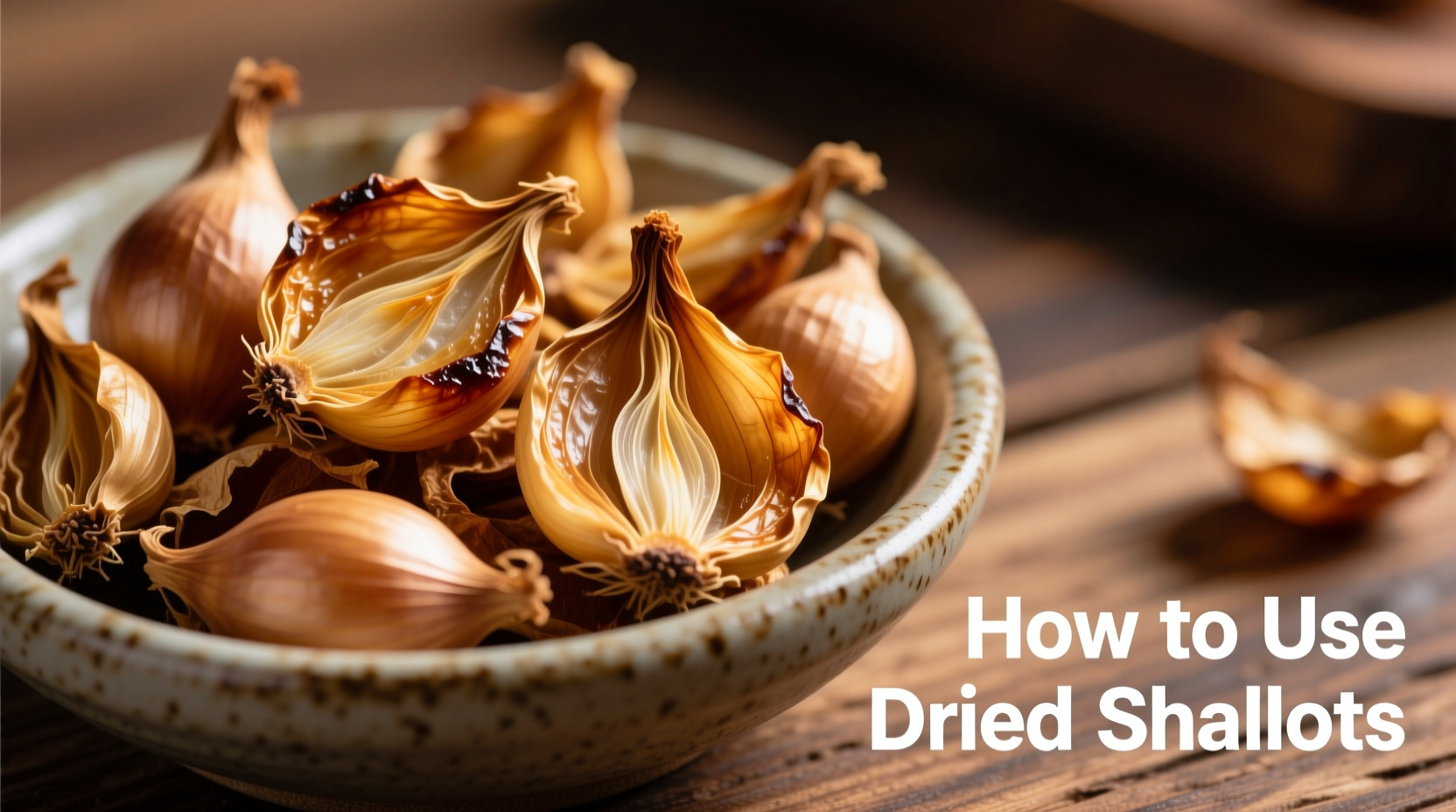
Shallots, botanically classified as Allium cepa var. aggregatum, are close relatives of onions and garlic, prized for their delicate sweetness and subtle garlicky undertones. While fresh shallots are commonly used in French and Southeast Asian cuisines, dried shallots are their dehydrated counterparts—preserved through low-temperature dehydration or freeze-drying to retain concentrated flavor and aroma.
Dried shallots are typically made by slicing fresh shallots thinly and removing moisture through industrial drying processes. The result is lightweight, shelf-stable pieces that rehydrate easily or can be used directly in powdered or flaked form. They are available in several forms: whole flakes, minced granules, and powdered. Each serves different culinary functions, from garnishing to seasoning base layers in slow-cooked dishes.
The primary appeal lies in their efficiency. Dried shallots eliminate prep time, reduce food waste, and deliver uniform flavor distribution. They are especially useful in commercial kitchens, meal kits, and spice blends where consistency and longevity are critical.
Key Characteristics
| Characteristic | Description |
|---|---|
| Flavor Profile | Milder than onion, with sweet, earthy notes and a faint garlic-like sharpness. Drying intensifies the savory (umami) qualities while reducing raw pungency. |
| Aroma | Faintly sweet and onion-like when dry; becomes more pronounced when heated or rehydrated. |
| Color & Form | Light golden to pale brown; available as flakes, granules, or powder. |
| Culinary Function | Flavor base, seasoning agent, thickener (in powder form), aromatic enhancer. |
| Shelf Life | 18–24 months when stored in a cool, dark, airtight container. |
| Rehydration Time | 5–10 minutes in warm water or broth; faster in hot liquids. |
Practical Usage: How to Use Dried Shallots in Cooking
Dried shallots are incredibly versatile. Their concentrated flavor integrates seamlessly into both quick weeknight meals and complex braises. The key is understanding how and when to introduce them into a dish for maximum impact.
As a Flavor Base in Sauces and Soups
In place of sautéing fresh shallots at the beginning of a sauce, dried shallot flakes or granules can be added directly to the pan with oil or butter. Heat gently for 1–2 minutes to bloom their flavor before adding liquids. This technique works exceptionally well in:
- Gravies and pan sauces
- Cream-based soups (e.g., mushroom, potato leek)
- Curry pastes and stews
For even dispersion, powdered dried shallot is ideal in smooth sauces or dressings where texture matters.
In Dry Rubs and Seasoning Blends
Dried shallots contribute both flavor and subtle texture to dry rubs for meats, poultry, and fish. Combine with paprika, garlic powder, salt, black pepper, and herbs for a balanced rub. A typical ratio:
2 parts smoked paprika
1 part dried shallot powder
1 part garlic powder
½ part salt
¼ part black pepper
Rub onto chicken thighs before roasting or dust over salmon fillets prior to searing. The shallot enhances browning and adds depth without burning, unlike fresh aromatics.
In Baking and Dough Applications
Dried shallots appear in artisanal breads, scones, and savory muffins. Fold 1–2 tablespoons of minced dried shallots into cheddar biscuit dough or sprinkle on top of focaccia before baking. Because they contain no moisture, they won’t make dough soggy—a common issue with fresh shallots.
In Instant and Ready-to-Eat Meals
Dried shallots are a hallmark of instant ramen, soup mixes, and dehydrated meal kits. They rehydrate quickly in boiling water and provide authentic aromatic complexity. Home cooks can mimic this by adding 1 teaspoon of dried shallot granules to instant noodle seasoning packets for a gourmet upgrade.
Pro Tip: To maximize flavor release, toast dried shallot flakes in a dry skillet over medium heat for 60 seconds before using. This enhances their nutty, caramelized notes—ideal for rice pilafs or grain bowls.
Variants & Types of Dried Shallots
Not all dried shallots are created equal. The form you choose affects texture, dissolution rate, and application. Here’s a breakdown of the three main types:
1. Dried Shallot Flakes
Thin slices of dehydrated shallot, ranging from translucent to light brown. These retain some structure and are best used in dishes where visible bits are desirable—such as casseroles, stir-fries, or baked gratins. Rehydrate in warm broth or add directly to simmering liquids.
2. Dried Shallot Granules
Finely chopped, sand-sized particles. Granules dissolve more evenly than flakes and integrate well into spice rubs, marinades, and dry mixes. Ideal for homemade seasoning salts or salad dressings where a smoother mouthfeel is preferred.
3. Dried Shallot Powder
The most concentrated form, ground to a fine dust. It dissolves completely and delivers intense flavor. Best suited for applications requiring invisibility and potency—think béchamel sauce, creamy dips, or commercial soups. Use sparingly: 1 teaspoon of powder equals roughly 1 tablespoon of granules.
| Type | Best Used In | Substitution Ratio (for fresh shallot) |
|---|---|---|
| Flakes | Casseroles, stews, rice dishes | 1 tbsp flakes = ¼ cup fresh chopped |
| Granules | Rubs, dressings, soups | 1 tsp granules = 2 tbsp fresh chopped |
| Powder | Sauces, spice blends, baked goods | ½ tsp powder = 2 tbsp fresh chopped |
Comparison with Similar Ingredients
Dried shallots are often confused with other dried alliums. While interchangeable in a pinch, each has distinct characteristics that affect the final dish.
| Ingredient | Flavor Profile | Best Substitute For? | Limitations |
|---|---|---|---|
| Dried Shallots | Sweet, mild, slightly garlicky | Fresh shallots, mild onion | Less pungent; not ideal for sharp bites |
| Dried Onions | Sharper, more sulfurous, less sweet | Yellow or white onion | Can overpower delicate dishes |
| Dried Garlic | Pungent, spicy, intensely savory | Fresh garlic | Lacks sweetness; too strong in shallot-dependent recipes |
| Onion Powder + Garlic Powder Mix | Balanced but artificial-tasting | Emergency shallot replacement | No true shallot nuance; lacks umami finesse |
While combining onion and garlic powders may approximate shallot flavor, it doesn’t replicate the unique balance of sweetness and subtlety found in genuine dried shallots. For authenticity, especially in French or Thai cuisine, real dried shallots are unmatched.
Real-World Example: A Michelin-starred bistro in Lyon uses dried shallot powder in its demi-glace reduction to ensure consistent flavor across hundreds of nightly servings. Fresh shallots vary in sugar content; dried provides reliability without compromising depth.
Practical Tips & FAQs
How do I substitute dried shallots for fresh?
Use these ratios as a starting point:
- 1 tablespoon dried shallot flakes = ¼ cup fresh chopped shallots
- 1 teaspoon dried shallot granules = 2 tablespoons fresh
- ½ teaspoon dried shallot powder = 2 tablespoons fresh
When substituting, consider whether the dish benefits from texture. Flakes add body; powder blends invisibly.
Do dried shallots need to be rehydrated?
Not always. In moist dishes like soups, stews, or sauces, they rehydrate during cooking. For dry applications (rub, seasoning mix), rehydration isn't needed. For sautéing, blooming in oil suffices.
Can I make my own dried shallots?
Yes. Thinly slice fresh shallots (1/8 inch) and dehydrate at 135°F (57°C) for 6–8 hours until crisp. Cool completely, then store in an airtight jar. Grind into powder using a spice grinder as needed. Homemade versions lack preservatives, so use within 6–9 months.
Are fried shallots the same as dried shallots?
No. Fried shallots (common in Asian cuisine) are deep-fried fresh shallot slices, crispy and richly flavored. They are used as garnish and have a shorter shelf life. Dried shallots are dehydrated, not fried, and serve as seasoning, not crunch.
What dishes benefit most from dried shallots?
Top applications include:
- French onion soup (add granules early for depth)
- Thai curry pastes (powder blends smoothly)
- Roast chicken seasoning (mix with herbs and butter)
- Vegetable stuffings (flakes add texture)
- Homemade ranch dressing (granules suspend well)
How should I store dried shallots?
Keep in an airtight container away from heat, light, and moisture. A dark cupboard or pantry is ideal. Avoid storing near the stove or dishwasher. Properly stored, they last 18–24 months. Discard if they develop off odors, clumping, or discoloration.
Are there any health benefits?
Like fresh shallots, dried versions retain antioxidants, flavonoids, and sulfur compounds linked to anti-inflammatory and cardiovascular benefits. However, due to concentration, portion sizes are smaller. They are low in calories and contain no fat or cholesterol.
Can I use dried shallots in pickling or fermenting?
Not recommended. Fermentation relies on fresh ingredients to support microbial activity. Dried shallots lack the moisture and natural enzymes needed. Reserve dried versions for cooked or shelf-stable preparations.
Summary & Key Takeaways
Dried shallots are a practical, flavorful alternative to fresh shallots, offering extended shelf life, ease of use, and consistent taste. Available in flake, granule, and powder forms, they adapt to various culinary roles—from foundational aromatics to finishing seasonings.
They excel in sauces, soups, rubs, and baked goods, delivering the sweet, garlicky complexity of shallots without prep work. While similar to dried onions or garlic, they possess a unique balance that cannot be fully replicated by substitutes.
To get the most from dried shallots:
- Choose the right form for your dish: flakes for texture, powder for invisibility.
- Use accurate substitution ratios to avoid over-seasoning.
- Store properly to preserve potency and prevent spoilage.
- Toast lightly to enhance depth before incorporating into recipes.
Final Thought: Keep a jar of dried shallot granules in your spice cabinet. They’re the quiet hero behind restaurant-quality flavor—ready whenever you are.




 浙公网安备
33010002000092号
浙公网安备
33010002000092号 浙B2-20120091-4
Comments
No comments yet. Why don't you start the discussion?