
Every late summer, food lovers across the United States anticipate the arrival of a seasonal culinary treasure: Hatch peppers. Grown primarily in the fertile Mesilla Valley of New Mexico, these green chiles have earned a near-mythical status among chili enthusiasts and professional chefs alike. But beyond the hype, what exactly are Hatch peppers? And more importantly, how can you use them to elevate your cooking?
Hatch peppers are not just another variety of bell or jalapeño; they represent a unique regional product with distinct growing conditions, flavor complexity, and cultural significance. Whether roasted over an open flame, blended into a smoky salsa, or stuffed and baked, Hatch peppers bring depth, mild-to-medium heat, and earthy sweetness to dishes. Understanding their characteristics, sourcing options, and best culinary applications allows home cooks to harness their full potential—without relying on fleeting seasonal availability.
Definition & Overview
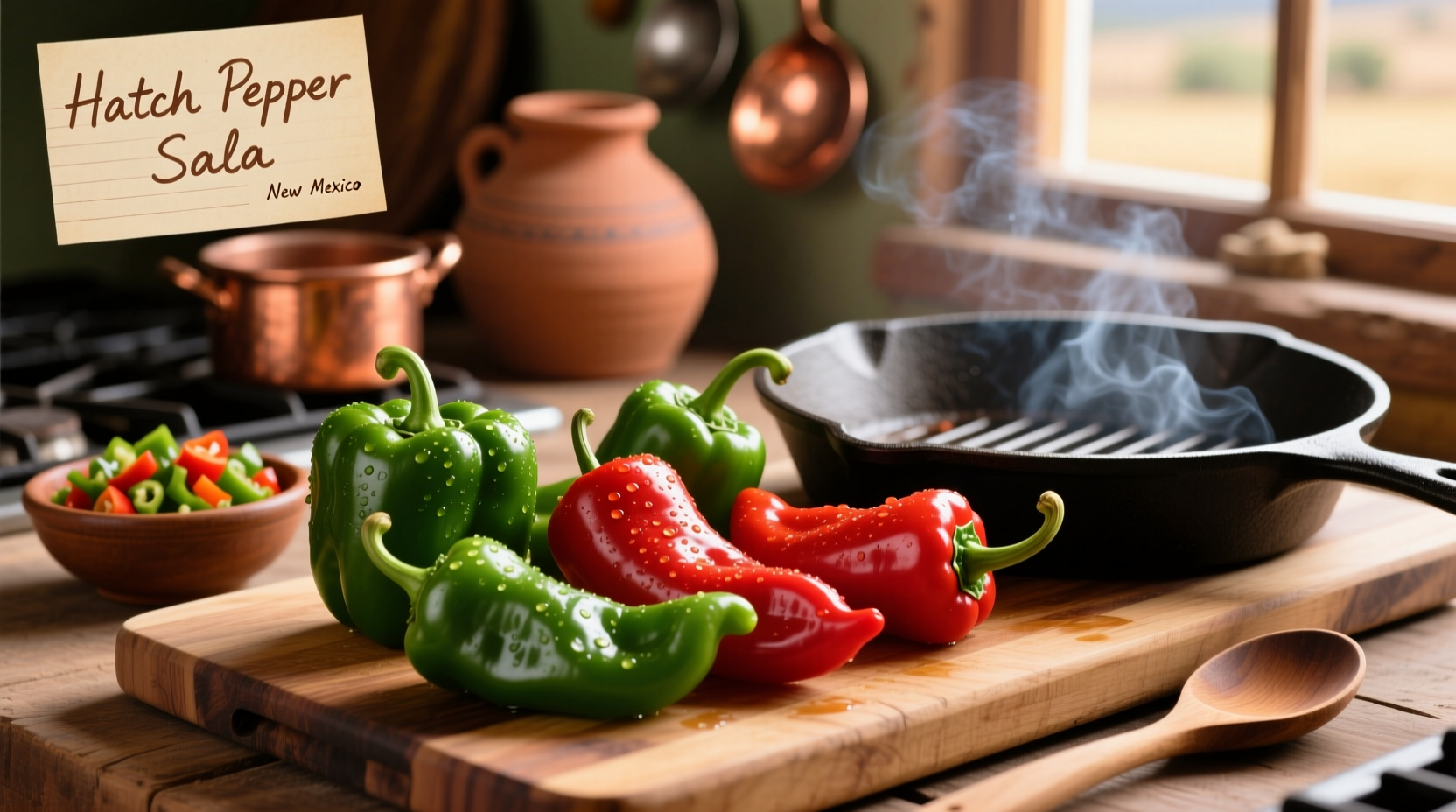
Hatch peppers are a group of cultivars of Capsicum annuum grown in and around the town of Hatch, New Mexico. While often referred to as a single type, \"Hatch\" is actually a designation tied more to geography than botany. The term encompasses several named varieties—including Big Jim, Sandia, NuMex Joe E. Parker, and Española—that share common traits shaped by the region’s high desert climate, mineral-rich soil, and abundant sunshine.
The Hatch Valley, stretching along the Rio Grande from Arrey to Tonuco Mountain, provides ideal growing conditions: hot days, cool nights, low humidity, and irrigation from mountain snowmelt. These factors contribute to the pepper’s signature balance of sweetness, vegetal brightness, and variable heat. Unlike mass-produced chiles grown for uniformity, Hatch peppers exhibit natural variation in size, shape, and spiciness depending on the specific farm, elevation, and microclimate.
True Hatch peppers are harvested between mid-July and early September, making them a seasonal specialty. Their limited window has fueled demand far beyond New Mexico, leading many grocery chains and online retailers to label any roasted green chile as “Hatch,” even if it wasn’t grown in the valley. To ensure authenticity, look for certifications such as the Hatch Chile Growers Association seal or purchase directly from verified New Mexican farms.
Key Characteristics
| Attribute | Description |
|---|---|
| Flavor Profile | Bright, slightly sweet, with grassy and smoky undertones when roasted; earthy finish |
| Heat Level (Scoville) | 500–4,000 SHU – ranges from mild (Big Jim) to medium-hot (Española) |
| Color & Form | Harvested green; turns red if left to mature; long, tapered pods (6–10 inches) |
| Aroma | Grassy when raw; deep, campfire-like when roasted |
| Culinary Function | Adds savory depth, mild heat, and moisture to sauces, fillings, stews, and sides |
| Shelf Life (Fresh) | 7–10 days in refrigerator; up to one year when frozen or canned |
This range in heat and flavor makes Hatch peppers versatile—not so fiery that they overwhelm, but robust enough to stand out in complex dishes. Their thick walls hold up well to roasting and blending, releasing sugars that caramelize and deepen during cooking.
Practical Usage: How to Use Hatch Peppers in Cooking
The true magic of Hatch peppers emerges through roasting—a traditional method that transforms their raw bite into something deeply aromatic and nuanced. Roasting breaks down cell walls, softens texture, and imparts a subtle charred complexity reminiscent of grilled vegetables or smoked paprika.
Step-by-Step: Roasting Fresh Hatch Peppers
- Wash and dry whole peppers. Leave stems intact for easier handling.
- Char over an open flame (gas stove, grill, or campfire), turning frequently until skin blisters and blackens on all sides.
- Transfer to a bowl and cover with plastic wrap or place in a paper bag; let steam for 10–15 minutes.
- Peel off the loosened skin using your fingers or a paring knife. Do not rinse—the inner flesh retains more flavor this way.
- Remove stem and seeds (retain some seeds for extra heat if desired).
- Chop or slice according to recipe needs.
Roasted Hatch peppers can be used immediately or stored for later use. They enhance everything from breakfast dishes to main courses:
- Salsas and Relishes: Combine chopped roasted Hatch with tomatoes, cilantro, onion, lime juice, and garlic for a fresh, smoky salsa verde. Adjust heat by adding milder or hotter varieties.
- Omelets and Breakfast Burritos: Fold diced roasted chiles into eggs or scrambled tofu for Southwest-inspired mornings.
- Chili and Stews: Add to beef or vegetarian chili for layered heat and moisture. They blend seamlessly into slow-cooked dishes without dominating.
- Casseroles and Bakes: Mix into mac and cheese, tamales, or enchilada fillings. Their juiciness prevents dryness in baked dishes.
- Stuffed Peppers: Fill whole roasted Hatch peppers with seasoned ground meat, rice, beans, or quinoa, then bake until tender.
- Purees and Sauces: Blend with cream, broth, or olive oil to create sauces for chicken, fish, or pasta. A puree of roasted Hatch, garlic, and sour cream makes an excellent dip or dollop.
Pro Tip: Freeze roasted Hatch peppers in 1-cup portions for year-round use. Lay peeled pieces flat on a tray before freezing, then transfer to labeled bags. Thaw overnight in the fridge or add directly to simmering dishes.
In professional kitchens, chefs treat Hatch peppers as a foundational ingredient rather than a garnish. At acclaimed Santa Fe restaurants like Geronimo and The Shed, roasted Hatch appears in aiolis, soups, and even desserts—such as chocolate-chile mole cakes—where its warmth enhances sweetness without overpowering.
Variants & Types
While all Hatch peppers share terroir-driven qualities, individual cultivars offer distinct culinary advantages. Choosing the right type depends on intended use and heat tolerance.
| Variety | Heat Level | Best Uses | Notes |
|---|---|---|---|
| Big Jim | Mild (500–1,000 SHU) | Roasting, stuffing, slicing raw | Largest pod; thin walls make peeling easy; ideal for family meals |
| Sandia | Medium (2,500–4,000 SHU) | Salsas, stews, pickling | Classic “Hatch” flavor; holds shape well during cooking |
| NuMex Joe E. Parker | Mild to Medium | Commercial roasting, canning | High yield; consistent size; favored by large-scale producers |
| Española | Medium-Hot | Spicy salsas, hot sauces | Older landrace variety; complex flavor with lingering heat |
| Heritage Red | Varies (when fully ripe) | Drying, powdering, infusions | Ripe red form offers deeper sweetness; used in ristras or ground into chile powder |
Farmers often grow multiple types simultaneously, allowing buyers to mix and match based on desired heat profile. Some specialty growers also experiment with crossbreeding for disease resistance or extended harvest windows while preserving authentic flavor.
Comparison with Similar Ingredients
Hatch peppers are frequently confused with other green chiles due to overlapping names and appearances. Understanding the differences ensures proper substitution and respect for regional traditions.
| Ingredient | How It Differs from Hatch | When to Substitute |
|---|---|---|
| Jalapeño | Smaller, rounder, higher capsaicin concentration; sharper heat onset | Only when seeking more intense spice; lacks smoky-sweet depth |
| Poblano | Larger, heart-shaped, milder (1,000–2,000 SHU); less sweet | Acceptable substitute in chiles rellenos or rajas; roast first |
| Cubanelle | Sweeter, thinner-walled, very mild; no real heat | For non-spicy applications requiring bulk and texture |
| Canned Green Chiles | Often mislabeled as “Hatch”; usually generic Anaheim or similar | Use only if labeled *real* Hatch; otherwise expect flatter flavor |
| Anaheim | Closest relative; originally bred from Hatch stock but grown elsewhere | Good alternative when fresh Hatch unavailable; slightly less complex |
“The difference between a true Hatch and a generic green chile is like comparing heirloom tomatoes to supermarket hybrids—one has soul, the other just fills space.” — Chef Silvia López Chavez, New Mexican Culinary Institute
Practical Tips & FAQs
Are Hatch peppers always spicy?
No. Heat varies significantly by cultivar and growing conditions. Big Jim peppers are notably mild, while Española strains can reach medium-hot levels. Even within a single harvest, sun exposure and soil nutrients influence capsaicin production.
Can I eat Hatch peppers raw?
Yes, especially milder varieties like Big Jim. Raw Hatch peppers have a crisp, grassy bite similar to green bell peppers but with a gentle warmth. Slice thinly for salads, sandwiches, or pico de gallo.
How do I store fresh Hatch peppers?
Unroasted peppers last 7–10 days in the crisper drawer. For longer storage, roast and freeze (up to 12 months), or pickle in vinegar brine for 4–6 weeks in the fridge.
What’s the best way to handle hot varieties safely?
Wear gloves when seeding or chopping hotter cultivars. Capsaicin oils can irritate skin and eyes. Wash hands thoroughly afterward, and avoid touching your face.
Where can I buy real Hatch peppers?
During peak season (July–September), major retailers like Trader Joe’s, Whole Foods, and H-E-B source directly from Hatch Valley farms. Online vendors such as Melissa’s Produce and Hatch Chile Express ship nationwide. Always verify origin—New Mexico-grown is key.
Can I grow my own Hatch peppers?
You can plant seeds labeled “Hatch variety” (e.g., Big Jim), but true terroir cannot be replicated outside southern New Mexico. Plants require 75–90 frost-free days, full sun, and well-drained soil. Start indoors 8–10 weeks before last frost.
Why are roasted Hatch peppers so popular?
The combination of caramelized sugars, smoky aroma, and balanced heat creates a flavor profile unmatched by other chiles. Roasting also reduces bitterness and enhances mouthfeel, making them ideal for blending and layering in recipes.
Quick Checklist: Buying & Using Hatch Peppers
- Buy during peak season: late July to early September
- Look for firm, glossy skins with no soft spots
- Ask for proof of New Mexico origin if purchasing pre-roasted
- Roast at home for maximum flavor control
- Freeze in portioned containers for convenience
- Pair with dairy (cheese, sour cream) to balance heat
- Use in both traditional (enchiladas) and modern (chili mayo, pizza) dishes
Summary & Key Takeaways
Hatch peppers are a prized seasonal ingredient rooted in the agricultural heritage of southern New Mexico. More than a passing food trend, they represent a confluence of climate, cultivar, and craftsmanship that delivers unmatched flavor in both home and professional kitchens.
They vary in heat from mild to medium-hot, with a distinctive sweet-vegetal profile enhanced dramatically by roasting. Their thick flesh makes them ideal for stuffing, blending, and slow cooking, adding moisture and depth without overwhelming other ingredients.
Understanding the different cultivars—Big Jim for mild applications, Sandia for balanced heat, Española for boldness—allows precise usage tailored to taste preferences. When fresh Hatch peppers aren’t available, properly stored frozen versions maintain quality far better than canned substitutes.
While similar to poblanos and Anaheims, true Hatch peppers possess a unique regional character that sets them apart. Their rising popularity underscores a broader appreciation for terroir-driven produce and artisanal farming practices.
Whether you’re crafting a simple breakfast burrito or elevating a restaurant-style sauce, incorporating Hatch peppers means embracing a piece of American culinary tradition—one that rewards attention to detail, seasonality, and thoughtful preparation.




 浙公网安备
33010002000092号
浙公网安备
33010002000092号 浙B2-20120091-4
Comments
No comments yet. Why don't you start the discussion?